
Henry "Jay" Swedlaw
LPCC, LCMHCTexas · 20 yrs exp
Experienced mindfulness-informed counselor
Stress, Anxiety · LGBT · Relationship · Self esteem · +16 more
Read profileTherapist listings are provided by BetterHelp. We will earn a commission at no additional cost to you if you sign up through our links.
Browse profiles of clinicians who list mindfulness-informed therapy and note Compassion Fatigue as a focus area. You can compare listed location, focus areas, therapeutic approaches, languages, and credentials to find profiles that fit your needs. Click a profile to read more about each clinician and reach out directly for details.
Texas · 20 yrs exp
Experienced mindfulness-informed counselor
Stress, Anxiety · LGBT · Relationship · Self esteem · +16 more
Read profile
Texas · 13 yrs exp
Mindfulness-based therapist with practical skills
Stress, Anxiety · Relationship · Trauma and abuse · Anger · +11 more
Read profile
Colorado · 15 yrs exp
Direct, goal-focused therapist
Stress, Anxiety · Relationship · Intimacy-related issues · Self esteem · +10 more
Read profile
California · 12 yrs exp
Mindful, collaborative therapy for practical change
Stress, Anxiety · Family · Parenting · Self esteem · +8 more
Read profile
Arizona · 6 yrs exp
Compassionate counseling with practical tools
Stress, Anxiety · Relationship · Family · Self esteem · +11 more
Read profile
Missouri · 16 yrs exp
Compassionate, practical therapy for everyday challenges
Stress, Anxiety · Trauma and abuse · Self esteem · Bipolar · +12 more
Read profile
Colorado · 30 yrs exp
Mindful person-centered counseling
Stress, Anxiety · Relationship · Trauma and abuse · Depression · +15 more
Read profile
Colorado · 11 yrs exp
Compassionate counseling with mindfulness and skills
Stress, Anxiety · LGBT · Trauma and abuse · Anger · +15 more
Read profile
Texas · 21 yrs exp
Warm, practical support for life changes
Stress, Anxiety · Relationship · Trauma and abuse · Intimacy-related issues · +15 more
Read profile
California · 8 yrs exp
Mindfulness and practical skills for change
Stress, Anxiety · Addictions · Relationship · Self esteem · +15 more
Read profile
Alaska · 11 yrs exp
Mindfulness-centered, practical support for adults
Stress, Anxiety · Relationship · Family · Trauma and abuse · +9 more
Read profile
Florida · 13 yrs exp
Mindful, collaborative therapy for daily life
Stress, Anxiety · Self esteem · Depression · Coping with life changes · +7 more
Read profile
California · 5 yrs exp
Mindful, collaborative therapy with practical tools
Stress, Anxiety · Relationship · Family · Depression · +13 more
Read profile
Wyoming · 14 yrs exp
Compassionate, practical therapy for life's hard moments
Addictions · Relationship · Depression · Coping with life changes · +11 more
Read profile
Montana · 10 yrs exp
Mindful, practical support for life changes
Stress, Anxiety · Trauma and abuse · Grief · Parenting · +9 more
Read profile
Montana · 23 yrs exp
Helpful, calm therapy for busy lives
Stress, Anxiety · Family · Trauma and abuse · Parenting · +12 more
Read profile
Texas · 11 yrs exp
Warm, practical counseling with mindfulness focus
Stress, Anxiety · Relationship · Family · Self esteem · +13 more
Read profile
California · 22 yrs exp
Experienced LCSW focused on mindful care
Stress, Anxiety · Self esteem · Depression · Coping with life changes · +2 more
Read profile
Colorado · 20 yrs exp
Calm, practical therapy for life changes
Stress, Anxiety · Addictions · Relationship · Family · +15 more
Read profile
Arkansas · 13 yrs exp
Mindfulness-based counselor focused on practical change
Stress, Anxiety · Relationship · Trauma and abuse · Depression · +13 more
Read profile
Montana · 20 yrs exp
Mindful, practical therapy for ongoing life challenges
Stress, Anxiety · Addictions · Relationship · Family · +11 more
Read profile
Texas · 15 yrs exp
Practical, mindful therapy for everyday challenges
Stress, Anxiety · Addictions · LGBT · Trauma and abuse · +11 more
Read profile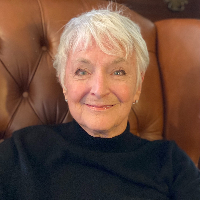
Arizona · 10 yrs exp
Compassionate guidance for life’s difficult transitions
Stress, Anxiety · Self esteem · Bipolar · Depression · +10 more
Read profileCompassion fatigue is a term people use to describe emotional and physical exhaustion that can arise from caring for others or being exposed to others' trauma and suffering over time. You may experience a change in mood, less energy for work or relationships, numbness, intrusive thoughts, or difficulty concentrating. These reactions vary from person to person, and having one or more of these experiences does not in itself mean you have a particular diagnosis. If you are worried about how these symptoms affect your day-to-day life, a conversation with a clinician can help clarify whether talk therapy, mindfulness-informed approaches, or referral to other supports might be helpful for you.
People who seek support for compassion fatigue often include caregivers, health and social service professionals, volunteers, and family members of someone who has experienced trauma or chronic stress. You should feel empowered to discuss your background, the kinds of stressors you face, and what support you expect from therapy. Profiles on this site highlight clinicians who list compassion fatigue among their interests so you can compare how they describe their focus and approach.
Mindfulness-informed talk therapy combines traditional therapeutic conversation with practices that help you notice experience as it happens - attention to breath, bodily sensations, emotions, and thoughts - without framing those experiences as right or wrong. In a session you might explore what you notice in the moment, practice simple grounding techniques to reorient attention, or work on ways to respond to stress with more awareness. Therapists who list mindfulness among their approaches may integrate these elements differently, and some may emphasize experiential practices while others focus more on reflective discussion about how mindfulness skills apply to everyday life.
It is important to understand that a therapist listing mindfulness-informed therapy on their profile is not the same as an assertion of formal certification in a specific mindfulness program. When you look at profiles, note whether a clinician describes how they use mindfulness techniques, and be ready to ask for examples of what a typical session includes. Mindfulness is one of several options you can discuss as part of a broader treatment plan rather than a promised solution. Mindfulness-informed methods are not a replacement for medical care, and you should consult medical or psychiatric providers about any health concerns that may require medication or urgent intervention.
Before you connect with a clinician, prepare concrete questions that help you compare profiles and determine fit. Ask how they describe their experience working with compassion fatigue and whether they have worked with people in similar roles to yours. Inquire about what a typical session looks like, including how much time is spent in conversation versus guided attention or grounding practices. You may also want to ask how they measure progress and how they adapt their approach when a client has high levels of distress.
Be clear about credentials and permission to practice. Degrees such as PhD, PsyD, MD, MA, or MSW indicate academic training but do not, by themselves, confirm a clinician's current license or legal permission to provide care in a given jurisdiction. Ask whether the clinician holds a professional license or registration and whether they are authorized to work with you in your listed location. It is reasonable to request the type of license they hold and the state or region where that license is active, and to confirm whether they provide services to adults, adolescents, couples, or families, as a listed topic does not guarantee a clinician treats every population.
If you are considering online sessions, talk with the clinician about the practical aspects of remote care. Clarify the platforms they use and what privacy practices they follow for online communication. Ask how they handle technical interruptions, what methods they use for scheduling and messaging, and how they recommend managing a session if you experience strong emotional reactions. Discuss emergency procedures and what the clinician expects from you in terms of safety planning, including local resources to contact if a crisis arises in your area.
Because laws and licensing rules vary by location, verify with the clinician whether they are authorized to provide services in your listed location before you begin. Check whether their profile lists the regions where they work and ask them to confirm this directly. Also ask about session length, the frequency they typically recommend for compassion fatigue work, and whether they suggest any resources or practices to try between sessions. Having this information up front helps you know what to expect and enables you to make an informed choice about pursuing care.
When you look through profiles, pay attention to several concrete factors that often matter most to people: the clinician's stated focus areas, the therapeutic approaches they list, the languages they speak, and the credentials they present. Focus areas can indicate the kinds of issues a clinician is interested in working with, such as caregiver stress, secondary traumatic stress, burnout, or grief. Therapeutic approaches listed on profiles may include talk therapy, mindfulness-informed methods, and other modalities - all of these are starting points for a conversation, not proof of formal training in any single method.
Languages offered can be a crucial factor for comfort and effectiveness, so look for clinicians who list languages you prefer and mention communication style in their profile. Regarding credentials, note academic degrees separately from professional licenses. Degrees tell you about educational background, while licenses or registrations indicate the regulatory permission to practice. You should verify the type of license and the jurisdiction where it is active by asking the clinician directly. Finally, consider the personal tone in a clinician's profile and any descriptions of therapeutic style - whether they describe a more directive or reflective stance, an emphasis on skills practice versus exploratory therapy, or a collaborative approach. These qualitative cues help you narrow choices so you can reach out to clinicians whose methods and professional standing match what you are seeking.
Comparing profiles thoughtfully helps you prepare targeted questions and set expectations for initial conversations. Use the information you find to ask about how mindfulness-informed tools are integrated, what experience the clinician has with compassion fatigue in contexts like your own, and whether they hold the appropriate license to work with you in your listed location. That preparation will support a clearer, more productive first contact as you explore whether a particular clinician might be the right fit for this chapter of your care journey.
Alabama
5 therapists
Alaska
13 therapists
Arizona
136 therapists
Arkansas
6 therapists
California
577 therapists
Colorado
185 therapists
Connecticut
2 therapists
Florida
75 therapists
Georgia
22 therapists
Hawaii
37 therapists
Idaho
61 therapists
Illinois
14 therapists
Indiana
15 therapists
Iowa
5 therapists
Kansas
5 therapists
Kentucky
7 therapists
Louisiana
11 therapists
Maine
5 therapists
Maryland
9 therapists
Massachusetts
6 therapists
Michigan
23 therapists
Minnesota
8 therapists
Mississippi
7 therapists
Missouri
32 therapists
Montana
59 therapists
Nebraska
4 therapists
Nevada
49 therapists
New Jersey
12 therapists
New Mexico
56 therapists
New York
13 therapists
North Carolina
22 therapists
Ohio
11 therapists
Oklahoma
15 therapists
Oregon
75 therapists
Pennsylvania
9 therapists
Rhode Island
3 therapists
South Carolina
12 therapists
South Dakota
12 therapists
Tennessee
11 therapists
Texas
86 therapists
Utah
97 therapists
Vermont
1 therapist
Virginia
12 therapists
Washington
121 therapists
West Virginia
2 therapists
Wisconsin
14 therapists
Wyoming
33 therapists