
Tami Labul
LCSWMaine · 20 yrs exp
Experienced LCSW focusing on practical coping skills
Stress, Anxiety · Trauma and abuse · Self esteem · Depression · +7 more
Read profileTherapist listings are provided by BetterHelp. We will earn a commission at no additional cost to you if you sign up through our links.
This page groups profiles under the listed location Maine so you can compare focus areas, credentials, languages and clinical approaches. Browse profiles to learn more and confirm whether a therapist has permission to work with you where you live.
Maine · 20 yrs exp
Experienced LCSW focusing on practical coping skills
Stress, Anxiety · Trauma and abuse · Self esteem · Depression · +7 more
Read profile
Maine · 9 yrs exp
Calm, practical therapy with mindfulness focus
Stress, Anxiety · Trauma and abuse · Coping with life changes · ADHD · +11 more
Read profile
Maine · 6 yrs exp
Compassionate counselor blending mindfulness and skills
Stress, Anxiety · Relationship · Grief · Depression · +8 more
Read profile
Maine · 11 yrs exp
Affirming therapy for stress and identity concerns
Stress, Anxiety · Relationship · Self esteem · Depression · +8 more
Read profile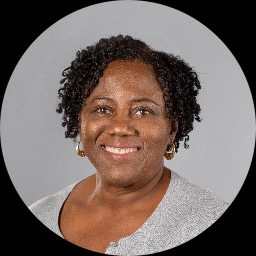
Maine · 10 yrs exp
Calm, practical care for everyday struggles
Stress, Anxiety · Addictions · Grief · Self esteem · +2 more
Read profileWhen a therapist lists mindfulness-based or mindfulness-informed approaches among their methods, that typically means they incorporate practices and attention to present-moment experience into talk therapy. In plain terms, mindfulness-informed work often involves cultivating moment-to-moment awareness, noticing thoughts and feelings without immediate reaction, and using grounding techniques to reorient attention to the present. Therapists may combine gentle conversational inquiry with brief experiential practices such as guided attention to the breath, body awareness, or sensory grounding. The goal in those moments is often to increase your awareness of internal experience and to build skills for noticing patterns of thought and bodily sensation that may shape how you respond to stress.
It is important to know that listing mindfulness among clinical approaches is not evidence of formal training or certification in a specific program. Listing the approach is not evidence of formal mindfulness training or certification (for example, MBSR or MBCT), and the presence of the term on a profile does not mean the method will be used in the same way by every therapist. Mindfulness-informed work is an option to discuss when you contact a therapist, not a guaranteed method or a replacement for medical or emergency care.
The phrase listed location on a profile groups a clinician with a geographic area, but it should not be read as definitive proof of a physical office, an up-to-date license, or automatic permission to practice where you live. Profiles vary in how much detail they include; some show city or region information while others list a broader state-level location. You should check the individual profile for details and confirm directly with the clinician that they are permitted to work with you in your state or territory.
When you review credentials, you will see a range of academic degrees and professional licenses. Academic degrees such as PhD, PsyD, MD, MA and MSW describe educational attainment. These degrees do not by themselves establish current legal permission to practice in a given state. Licenses and registrations issued by state boards or regulatory bodies are the indicators of that permission. When a profile lists degrees and licensure titles, take time to understand the distinction: a degree reflects training, while a license is the credential that allows someone to practice under state rules. If a profile does not clearly state licensure, ask the clinician how they are credentialed and whether they have permission to provide care to residents of Maine or wherever you live.
When you reach out to a clinician, having specific questions can help you learn how mindfulness is used in their work and whether their approach fits your needs. You can ask how they describe mindfulness-informed work in everyday language and what a typical session might include when mindfulness tools are used. You might ask whether they tend to use short guided practices during sessions, inquiry into present-moment experience, or structured skill-building exercises, and how they balance those elements with conversation and problem-solving.
It is also useful to ask about the clinician's experience with issues similar to yours. You could ask what kinds of concerns they commonly work with, how long they typically work with a person who has similar goals, and what forms of measurement or feedback they use to track progress. If language, cultural understanding or age group matters to you, ask about experience working with people who share your background or needs. Finally, clarify how they coordinate care with other providers if you see medical or psychiatric professionals, and what their policies are for crisis response and referrals if additional support is needed.
Before beginning remote sessions, talk about practical and clinical logistics so you enter care with clear expectations. Confirm whether the clinician has permission to work with you where you live and how they handle cross-jurisdictional practice. Discuss the technology you will use, which platforms they prefer, and what steps they recommend if a connection is interrupted. It is reasonable to ask what they consider an appropriate setting for sessions, and you may wish to arrange to join from a private space if you are comfortable doing so.
Safety planning is another important topic. Ask how the clinician would handle an emergency or urgent situation and what resources they recommend in your local area. Discuss the structure of sessions - how long they usually are, how frequently you might meet, and what kinds of between-session practices or reflections they might suggest. Be sure to clarify how they document care and whether they will share notes or summaries with you, and ask about any language accommodations you might need. Clear conversation about these topics helps you assess fit and set boundaries that support therapeutic work.
When you compare profiles, pay attention to the specific focus areas clinicians mention and how those align with your concerns. Some profiles will describe areas of emphasis such as stress management, trauma-informed approaches, anxiety, mood concerns, or life transitions. Use those descriptions as starting points for questions about actual experience and outcomes rather than as guarantees of expertise. If working in a particular language is important to you, look for profiles that list languages and then confirm the clinician's comfort and experience conducting therapy in that language.
Consider how clinicians describe their therapeutic style. Some may emphasize a collaborative, exploratory approach while others may describe a more skills-focused or structured style. Ask how they tailor sessions to the person in front of them and whether they use homework or between-session practices. Compare academic degrees and licensure information side by side to understand both the clinician's educational background and their current permission to practice. Remember that a degree does not equal an active license; you should verify licensure and permission to work with you in Maine or your place of residence. Finally, take note of how clinicians write about their work - a clear, specific profile that answers who they work with, what they focus on, and how they describe their methods will often give you better insight than vague statements. Use those observations to select a few profiles to contact so you can ask the practical and clinical questions that matter most to you.
Mindfulness-informed therapy can be a valuable way to explore awareness, coping and present-moment experience, but the way it is offered varies. Use the profiles on this page to compare relevant details and then reach out to clinicians to confirm licensure, permission to work in your location, and whether their style, focus and language fit your needs.
Anger
1277 therapists
Chronic Pain
512 therapists
Depression
1787 therapists
Grief
1513 therapists
Guilt and Shame
1427 therapists
Impulsivity
786 therapists
Isolation / Loneliness
1298 therapists
Panic Disorder and Panic Attacks
994 therapists
Self Esteem
1782 therapists
Sleeping Disorders
621 therapists
Social Anxiety and Phobia
1247 therapists
Stress & Anxiety
1930 therapists
Trauma and Abuse
1610 therapists