
Hope Schaffrick
LICSW, LCSWConnecticut · 22 yrs exp
Practical, compassionate therapy with mindfulness focus
Stress, Anxiety · Family · Trauma and abuse · Depression · +14 more
Read profileTherapist listings are provided by BetterHelp. We will earn a commission at no additional cost to you if you sign up through our links.
Browse profiles of clinicians who list mindfulness among their therapeutic approaches in the Connecticut listed location. Review approaches, credentials, languages and focus areas, and check each profile to confirm a clinician's license and permission to work with you where you live.
Connecticut · 22 yrs exp
Practical, compassionate therapy with mindfulness focus
Stress, Anxiety · Family · Trauma and abuse · Depression · +14 more
Read profile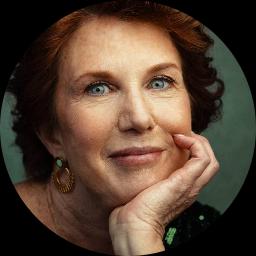
Connecticut · 27 yrs exp
Mindful, practical therapy for life's challenges
Stress, Anxiety · Relationship · Eating · Depression · +13 more
Read profileWhen a therapist lists mindfulness among their approaches, it often means they bring attention to present-moment experience into talk therapy. That can include gentle practices to notice breath, bodily sensations and emotions, as well as learning to observe thoughts without immediately reacting to them. You may hear an emphasis on grounding strategies that help you come back to the body when feelings feel overwhelming, or on cultivating curiosity about habitual patterns of thinking. These elements are typically woven into conversations about your history, relationships and goals rather than presented as a standalone technique.
It is important to recognize that mindfulness in therapy is presented as an option to explore, not a guaranteed fix or a replacement for medical or psychiatric care. Therapists who list mindfulness among their approaches may use it alongside other psychotherapeutic methods to address anxiety, depression, stress, or life transitions, but the exact mix differs from clinician to clinician. Listing this approach on a profile is not evidence of a specific credential or specialized training; if you want work grounded in a particular program or course of study, ask about that directly.
The Connecticut listed location groups profiles that are associated with that state in the directory. A listed location does not guarantee a physical office nearby, an in-state license, or ongoing permission to practice in a particular town. Profiles can represent clinicians who work across regions or who provide services in different formats. For that reason, always check an individual profile for statements about licensure and how the clinician is permitted to work with clients in Connecticut.
Degrees and professional licenses are not the same thing. Academic degrees such as PhD, PsyD, MD, MA or MSW describe completed educational programs, while a license or registration indicates a jurisdiction's permission to practice. A degree alone does not establish current permission to provide therapy where you live. When reviewing profiles, look for clear language about licensure, the state or states where the clinician is authorized to practice, and any professional titles that indicate the clinician's license type. If a profile lacks that information, consider contacting the clinician to confirm their credentials and whether they can work with you in Connecticut.
When you want to learn more about how a clinician integrates mindfulness, prepare questions that get specific rather than general. You might ask how mindfulness is used within sessions - whether it appears as brief present-moment exercises, as in-session reflection on bodily sensations, or as practices suggested for between-session use. Ask about the balance between mindfulness-informed techniques and other therapeutic orientations the clinician lists, so you understand the typical session structure and therapeutic focus.
Inquire about experience with issues similar to your own. Rather than assume a listed label means deep experience, request examples of people they have worked with or types of challenges they commonly address using a mindfulness-informed framework. If cultural responsiveness matters to you, ask how the clinician adapts mindfulness practices for different backgrounds or belief systems. You can also request clarification about any continuing education or supervision that informs their use of mindfulness, remembering that a profile entry alone does not verify formal training in any particular mindfulness program.
If you are considering care that will take place remotely, there are several practical and clinical issues to raise before beginning. Check how the clinician handles technology, including what platform they use and what steps are taken to protect your interaction during sessions. Discuss expectations for session length and what to do if either of you must reschedule. Clarify emergency procedures and what supports are appropriate if you experience a crisis between sessions, since online care can cross state lines and resources differ by location.
Talk about the setting you will use for sessions. It helps to agree on how to create a comfortable environment where you can focus and practice grounding when needed. If you have accessibility needs, ask how they will be accommodated. If you are exploring mindfulness as part of therapy, discuss how homework or between-session practices are assigned and reviewed, and how progress will be assessed in ways that matter to you. All of these topics help you evaluate whether a clinician's style and logistics match your practical needs and personal preferences.
Comparing profiles is about matching priorities that matter to you. Focus areas on a profile can indicate whether a clinician has regularly worked with issues like life transitions, trauma-related symptoms, chronic stress, or mood concerns, but these labels do not guarantee particular outcomes or levels of expertise. Look for descriptions that explain how the clinician approaches those topics - whether through skills training, reflective dialogue, mindfulness practice, or another combination of methods. Assess how that approach aligns with your goals and comfort level.
Language and cultural factors are important for therapeutic fit. If you prefer to work in a language other than English, prioritize profiles that clearly list additional languages. Profiles that mention culturally informed practices or experience with particular communities may indicate greater sensitivity to cultural context, but you should still discuss specifics during an initial conversation. When reviewing credentials, note both academic degrees and the presence of an active license that allows practice in Connecticut. Finally, consider the clinician's described style - for example, collaborative, directive, exploratory or skills-focused - and imagine which approach would help you engage and feel understood. Use brief outreach to ask direct, concrete questions so you can determine which profiles deserve a deeper conversation.
Connecting with a clinician is a personal decision and profiles are a starting point. Use the listed information to narrow your choices, then reach out to confirm licensure, permission to work with you where you live, and any other specifics that matter. Thoughtful questions and clear communication will help you find a clinician whose mindfulness-informed approach aligns with your needs and preferences.
Anger
1277 therapists
Chronic Pain
512 therapists
Depression
1787 therapists
Grief
1513 therapists
Guilt and Shame
1427 therapists
Impulsivity
786 therapists
Isolation / Loneliness
1298 therapists
Panic Disorder and Panic Attacks
994 therapists
Self Esteem
1782 therapists
Sleeping Disorders
621 therapists
Social Anxiety and Phobia
1247 therapists
Stress & Anxiety
1930 therapists
Trauma and Abuse
1610 therapists