
Kathi-Ann Busha
LCMHCUtah · 6 yrs exp
Therapy for stress, trauma, and life changes
Stress, Anxiety · Trauma and abuse · Self esteem · Depression · +8 more
Read profileTherapist listings are provided by BetterHelp. We will earn a commission at no additional cost to you if you sign up through our links.
This page groups therapist profiles under the listed location Utah so you can compare approach, focus areas, languages, and credentials. Review each profile and confirm that a clinician is permitted to work with you where you live before starting care.
Use the listings below to explore how different practitioners describe their use of mindfulness-informed approaches, then reach out to profiles that match your needs to ask specific questions.
Utah · 6 yrs exp
Therapy for stress, trauma, and life changes
Stress, Anxiety · Trauma and abuse · Self esteem · Depression · +8 more
Read profile
Utah · 21 yrs exp
Mindfulness-informed LCSW blending East and West
Stress, Anxiety · Family · Bipolar · Depression · +15 more
Read profile
Utah · 11 yrs exp
Calm, practical guidance for everyday challenges
Stress, Anxiety · Addictions · Relationship · Trauma and abuse · +16 more
Read profile
Utah · 7 yrs exp
Mindful, practical support for everyday challenges
Stress, Anxiety · Relationship · Trauma and abuse · Self esteem · +9 more
Read profile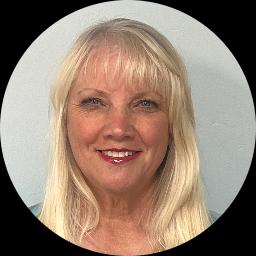
Utah · 12 yrs exp
Mindful, practical support for everyday struggles
Stress, Anxiety · Addictions · Relationship · Family · +14 more
Read profile
Utah · 23 yrs exp
Calm, practical counseling focused on everyday coping
Stress, Anxiety · Addictions · Family · Trauma and abuse · +12 more
Read profile
Utah · 20 yrs exp
Mindful, practical support for everyday struggles
Stress, Anxiety · Trauma and abuse · Self esteem · Depression · +1 more
Read profile
Utah · 4 yrs exp
Mindful, values-driven therapy for life challenges
Addictions · Relationship · Trauma and abuse · Self esteem · +1 more
Read profile
Utah · 3 yrs exp
Calm, practical therapy with mindfulness focus
Stress, Anxiety · Addictions · Relationship · Grief · +1 more
Read profile
Utah · 20 yrs exp
Mindful, practical therapy for life changes
Stress, Anxiety · Relationship · Grief · Depression · +12 more
Read profile
Utah · 14 yrs exp
Compassionate, practical therapy for everyday struggles
Stress, Anxiety · Addictions · Relationship · Depression · +14 more
Read profile
Utah · 7 yrs exp
Compassionate, practical care for life’s hard moments
Addictions · Trauma and abuse · Grief · Self esteem · +11 more
Read profile
Utah · 15 yrs exp
Mindful, practical therapy for real life
Stress, Anxiety · Relationship · Self esteem · Depression · +5 more
Read profile
Utah · 12 yrs exp
Compassionate counselor guiding practical change
Stress, Anxiety · Family · Trauma and abuse · Parenting · +12 more
Read profile
Utah · 32 yrs exp
Mindfulness and CBT for mood and stress management
Stress, Anxiety · Self esteem · Bipolar · Depression · +9 more
Read profile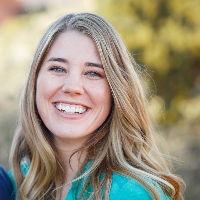
Utah · 9 yrs exp
Compassionate, goal-focused therapy with mindfulness
Stress, Anxiety · Relationship · Parenting · Self esteem · +7 more
Read profile
Utah · 6 yrs exp
Compassionate, practical therapy for life’s challenges
Stress, Anxiety · Addictions · Relationship · Trauma and abuse · +12 more
Read profile
Utah · 13 yrs exp
Mindful, practical counseling for life changes
Stress, Anxiety · Addictions · LGBT · Self esteem · +8 more
Read profile
Utah · 10 yrs exp
Calm practical support for life’s hard moments
Stress, Anxiety · Addictions · Trauma and abuse · Grief · +14 more
Read profile
Utah · 35 yrs exp
Compassionate, experienced therapist with a mindfulness focus
Relationship · Family · Trauma and abuse · Intimacy-related issues · +16 more
Read profile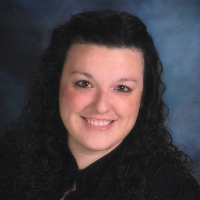
Utah · 8 yrs exp
Practical, creative therapy for life changes
Stress, Anxiety · LGBT · Trauma and abuse · Intimacy-related issues · +14 more
Read profileWhen therapists describe a mindfulness-informed approach they are typically referring to practices that help you increase moment-to-moment awareness of your experience. In plain terms this often means learning to pay attention to sights, sounds, bodily sensations, thoughts, and feelings without immediately reacting. You might notice how attention moves, gently return focus to the breath or bodily sensations, and use simple grounding techniques to steady attention in the present. Some clinicians integrate short guided attention exercises into conversation, while others weave awareness practices into the ways you explore patterns of thinking and behavior.
Mindfulness-informed work can emphasize developing curiosity about your mental life, using nonjudgmental observation to understand habitual responses, and practicing small moment-to-moment skills you can apply outside of session. It can be offered alongside other therapeutic approaches or as a lens through which the clinician frames your concerns. Listing mindfulness among a clinician's approaches does not, by itself, mean formal certification in a particular program. If formal training or a specific program is important to you, ask about that directly when you contact a profile.
The listed location on a profile groups clinicians by Utah so you can find professionals connected to that area. A listed location does not guarantee an office address or that a clinician holds a current license in every part of the state. Always check the individual profile and confirm permission to work with you where you live before making any decisions. If you plan to meet in person or use a clinician across state lines, verify licensure and practice permissions directly with the clinician or the licensing board in your state.
Degrees and professional licenses are not the same thing. Academic degrees such as PhD, PsyD, MD, MA, or MSW indicate the level and type of graduate education someone completed. Licenses and registrations, which vary by state, reflect the professional authorization to provide clinical services. Titles and abbreviations for licenses you may see include licensed clinical social worker, licensed marriage and family therapist, licensed professional counselor, and licensed psychologist. A degree alone does not establish current permission to practice; confirm both the degree and the clinician's license status and the scope of practice directly on the profile or in initial conversations.
When you review a profile and consider reaching out, prepare clear questions so you can learn how a clinician works. You might ask how they typically integrate mindfulness into sessions and whether they adapt practices to match your level of experience or any physical limitations. Ask what populations or presenting concerns they have experience working with and how they tailor their approach for issues similar to yours. If a profile lists mindfulness alongside other modalities, inquire how those approaches are combined in practice and what a typical session might feel like for you.
If you want to know whether a clinician follows a particular program or curriculum, it is appropriate to ask whether they have formal training or experience with that program and what that experience involved. You can also ask about session structure, expected duration of work together, and how progress is described or reviewed, without expecting guarantees about outcomes. Direct questions about how a clinician handles situations such as heightened distress or crises, and how they coordinate care with medical providers if needed, will give you a clearer sense of their approach and readiness to meet your needs.
If you are considering online sessions, discuss practical and clinical details upfront. Talk about the technology platforms they use, the steps for reconnecting if a connection drops, and any recommended environment for attending sessions so you can focus and feel comfortable. Clarify how the clinician handles documentation, appointment confirmations, billing questions, and cancellation policies so there are no surprises. You should also confirm that the clinician has permission to provide care to people residing in Utah or in your specific area before proceeding.
Addressing safety and emergency planning is important when you begin online care. Ask how the clinician manages urgent situations that may arise between sessions and whether they will ask for an emergency contact and location information at intake. Discuss expectations about boundaries, response times for messages, and how additional supports will be coordinated if needed. These conversations help you understand what working together will look like and whether the clinician's way of practice fits your needs and circumstances.
Profiles often highlight the issues clinicians commonly address, the populations they work with, the languages they speak, and the clinical approaches they list. When you compare profiles, pay attention to the specific focus areas named and whether the clinician describes experience with concerns similar to yours. Note the languages listed if speaking in your primary language matters to you. Also look at how clinicians describe their therapeutic style - whether they emphasize practical skills, reflective exploration, experiential exercises, or a combination of these.
Consider credentials in two ways: academic degrees and licensure or registration. A degree such as an MSW, MA, PhD, PsyD, or MD tells you about educational background. Licensing information indicates the professional authority to practice and the population or setting a clinician is authorized to serve. Since a listed topic does not establish that a clinician treats children, couples, or families, ask directly if the clinician has experience with the specific population you are seeking care for. Finally, use initial conversations to assess fit - how the clinician explains their approach, whether they listen and respond to your questions, and whether you feel able to engage with their style. Profiles are a starting point; direct dialogue will help you determine whether a particular clinician is a good match for your needs in Utah.
Choosing a clinician is a practical process of matching approach, credentials, language, and style with your priorities. Use the profiles on this page to narrow options, ask the concrete questions that matter to you, and confirm that a clinician is permitted to work with you in your location before beginning any sessions.
Anger
1277 therapists
Chronic Pain
512 therapists
Depression
1787 therapists
Grief
1513 therapists
Guilt and Shame
1427 therapists
Impulsivity
786 therapists
Isolation / Loneliness
1298 therapists
Panic Disorder and Panic Attacks
994 therapists
Self Esteem
1782 therapists
Sleeping Disorders
621 therapists
Social Anxiety and Phobia
1247 therapists
Stress & Anxiety
1930 therapists
Trauma and Abuse
1610 therapists