
Maria Wilson
LCSWIndiana · 15 yrs exp
Compassionate, practical care for stress and relationships
Stress, Anxiety · Relationship · Family · Trauma and abuse · +10 more
Read profileTherapist listings are provided by BetterHelp. We will earn a commission at no additional cost to you if you sign up through our links.
Browse profiles of clinicians who list Mindfulness Therapy among their approaches for the Indiana listed location. Compare focus areas, degrees, professional licenses, languages, and therapeutic style, then contact profiles that seem like a fit to learn more.
Indiana · 15 yrs exp
Compassionate, practical care for stress and relationships
Stress, Anxiety · Relationship · Family · Trauma and abuse · +10 more
Read profile
Indiana · 10 yrs exp
Mindful, practical therapy for stress and trauma
Stress, Anxiety · Addictions · Trauma and abuse · Grief · +14 more
Read profile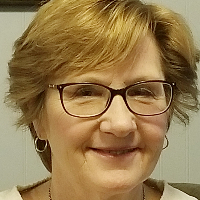
Indiana · 21 yrs exp
Practical therapy with mindfulness and real-life tools
Stress, Anxiety · Relationship · Trauma and abuse · Grief · +10 more
Read profile
Indiana · 29 yrs exp
Mindful, practical support for life changes
Stress, Anxiety · Depression · Coping with life changes
Read profile
Indiana · 10 yrs exp
Warm, practical therapy with a mindfulness focus
Stress, Anxiety · Addictions · Self esteem · Depression · +12 more
Read profile
Indiana · 35 yrs exp
Mindfulness-focused licensed social worker
Stress, Anxiety · Grief · Self esteem · Depression · +4 more
Read profile
Indiana · 15 yrs exp
Mindful, person-centered therapy for life changes
Stress, Anxiety · LGBT · Relationship · Grief · +16 more
Read profile
Indiana · 9 yrs exp
Mindful, practical therapy for everyday challenges
Stress, Anxiety · Relationship · Trauma and abuse · Self esteem · +13 more
Read profile
Indiana · 16 yrs exp
Practical therapy to get unstuck and move forward
Stress, Anxiety · Relationship · Grief · Self esteem · +3 more
Read profile
Indiana · 6 yrs exp
Mindful, practical support for everyday struggles
Stress, Anxiety · Depression · Relationship · Trauma and abuse · +6 more
Read profile
Indiana · 5 yrs exp
Mindful, practical counseling for everyday challenges
Stress, Anxiety · Family · Parenting · Anger · +10 more
Read profile
Indiana · 3 yrs exp
Mindful, practical support for everyday challenges
Stress, Anxiety · Parenting · Self esteem · Depression · +10 more
Read profile
Indiana · 14 yrs exp
Mindful, practical therapy for life transitions
Relationship · Family · Career · Depression · +16 more
Read profile
Indiana · 16 yrs exp
Honest, practical support for lasting change
Stress, Anxiety · Addictions · Relationship · Anger · +4 more
Read profile
Indiana · 10 yrs exp
Therapist blending mindfulness and practical tools
Relationship · Trauma and abuse · Intimacy-related issues · Depression · +1 more
Read profileWhen you encounter the phrase mindfulness-informed talk therapy, it describes a range of ways therapists may bring attention to the present moment and help you notice thoughts, emotions, and bodily sensations without judgment. In practice you might be invited to pay attention to your breath, to name what you are experiencing in clear words, or to use grounding techniques that anchor you to the body or to the environment when emotions run high. These practices are often woven into conversational work that explores meaning, patterns, relationships, and coping strategies so you can notice how habits of attention affect daily life.
Different clinicians integrate mindfulness in different proportions. For some it may be a few brief exercises at the start or end of a session and mostly talk-based exploration. For others it can include guided attention practices, movement-based noticing, or homework invitations to try short practices between sessions. Listing Mindfulness Therapy among a clinician's approaches signals that they bring this orientation into their work sometimes, but it does not by itself describe the exact format, frequency, or intensity you will experience. Mindfulness-informed care is an option to discuss as you review profiles and talk with a clinician about how it might fit your needs. It is not a replacement for medical care and is best considered as one of several approaches to supporting well-being.
The Indiana grouping on this site indicates the listed location for each profile, but that grouping is not evidence of an office, physical proximity, eligibility, or an active license in Indiana. You should check each profile closely and confirm with the clinician whether they have permission to work with you where you live. Permission to practice can depend on professional licensing rules that vary by state and by profession.
Degrees such as PhD, PsyD, MD, MA, or MSW describe academic training and should be distinguished from professional licenses or registrations that grant legal permission to provide clinical services. A degree alone does not establish current permission to practice. Licenses are typically issued by state regulatory boards and may have titles like licensed psychologist, licensed clinical social worker, licensed professional counselor, or medical doctor. Profiles may list degrees, but you should ask to confirm current licensing status and whether that license covers the service you are seeking in your location.
To compare clinicians effectively, prepare concrete questions that help you understand how they use mindfulness in therapy, how they adapt to different concerns, and how their experience aligns with your needs. Ask whether they integrate mindfulness into talk therapy and, if so, what a typical session looks like. You can request examples of specific practices they might use, how they help clients apply those practices between sessions, and how they tailor exercises to people with different levels of experience or comfort with mindfulness.
It is also useful to ask about the clinician's experience with issues like anxiety, stress, chronic pain, or other areas you care about, phrased as a request for information rather than as an assertion of outcomes. If particular programs matter to you, ask whether they have completed formal training in mindfulness-based programs and what that training involved, recognizing that listing an approach on a profile is not evidence of formal certification. You can ask about their general clinical background, how long they have worked with adults who have similar concerns to yours, and how they collaborate with other healthcare providers if needed.
If you plan to work with a clinician remotely, discuss logistical and practical matters before beginning. Ask how they handle scheduling and the typical length of sessions, and what platforms or communication methods they use for remote meetings. Talk about how they manage privacy protections and record keeping, and what steps they take to protect sensitive information during remote sessions. Clarify policies about cancellation and rescheduling so you understand procedural expectations up front.
It is important to have a conversation about safety and emergency planning. Remote care can pose distinct challenges when a clinician is not in your geographic area, so ask how they handle urgent situations and whether they have a plan for coordinating with local emergency services if needed. Confirm that they are allowed to provide services where you live, and discuss how they will document consent for remote care. These practical discussions help set boundaries and mutual expectations and give you a clearer sense of how the therapeutic relationship will function in day-to-day terms.
When you look through profiles in the Indiana listed location, compare clinicians along dimensions that matter to you. Start with focus areas - some therapists emphasize trauma-informed approaches, others prioritize stress management, perinatal concerns, or chronic health conditions. Profiles often describe populations they work with and issues they commonly address; use that information to narrow your search to clinicians whose focus areas match your priorities.
Language and cultural fit can significantly affect comfort and communication. If you prefer to work in a language other than English, look for profiles that list those languages and ask specific questions about cultural competency and experience working with people from your background. Consider the clinician's stated therapeutic style - whether they emphasize structured skill-building, reflective exploration, emotion-focused work, or a supportive coaching orientation - and decide which style feels most likely to help you engage.
Finally, review credentials and professional language carefully. Degrees tell you about academic background, while licensure information speaks to legal permission to practice. If a profile lists methods such as EMDR, acceptance-based work, cognitive approaches, or mindfulness-informed practices, remember that such listings mean the clinician includes those approaches among their tools but do not certify depth of training. Use initial conversations to ask direct, concrete questions about how those approaches would be applied in your care and to confirm licensure and permission to work with you in your location.
As you compare profiles, keep a short list of the most relevant questions and reach out to clinicians whose descriptions resonate. Confirming permission to work together where you live and clarifying how mindfulness is used in sessions will help you make a more informed choice. Use the profiles on this site as a starting point for conversations rather than as definitive proof of scope or certification, and prioritize finding a clinician whose approach and professional standing match the practical and personal needs you bring to care.
Anger
1277 therapists
Chronic Pain
512 therapists
Depression
1787 therapists
Grief
1513 therapists
Guilt and Shame
1427 therapists
Impulsivity
786 therapists
Isolation / Loneliness
1298 therapists
Panic Disorder and Panic Attacks
994 therapists
Self Esteem
1782 therapists
Sleeping Disorders
621 therapists
Social Anxiety and Phobia
1247 therapists
Stress & Anxiety
1930 therapists
Trauma and Abuse
1610 therapists