
Tara Brisnehan
LPCArizona · 6 yrs exp
Compassionate counseling with practical tools
Stress, Anxiety · Relationship · Family · Self esteem · +11 more
Read profileTherapist listings are provided by BetterHelp. We will earn a commission at no additional cost to you if you sign up through our links.
Browse profiles of clinicians grouped under the listed location Arizona to compare how they describe mindfulness-based therapy, clinical focus areas, credentials, languages and therapeutic style. Use the profile summaries below to narrow choices and then open individual profiles to learn more and make contact.
Arizona · 6 yrs exp
Compassionate counseling with practical tools
Stress, Anxiety · Relationship · Family · Self esteem · +11 more
Read profile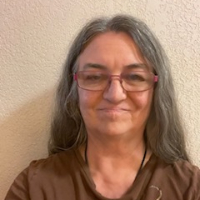
Arizona · 40 yrs exp
Experienced LCSW focused on mindful care
Stress, Anxiety · LGBT · Relationship · Grief · +10 more
Read profile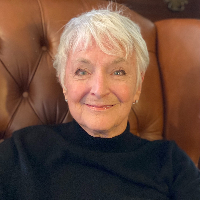
Arizona · 10 yrs exp
Compassionate guidance for life’s difficult transitions
Stress, Anxiety · Self esteem · Bipolar · Depression · +10 more
Read profile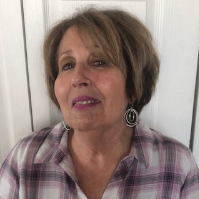
Arizona · 25 yrs exp
Calm, practical therapy focused on mindful change
Stress, Anxiety · Addictions · Relationship · Trauma and abuse · +11 more
Read profile
Arizona · 36 yrs exp
Mindful, practical psychotherapy for adults
Stress, Anxiety · Relationship · Grief · Anger · +7 more
Read profile
Arizona · 11 yrs exp
Mindful, practical therapy for everyday challenges
Stress, Anxiety · Grief · Parenting · Self esteem · +7 more
Read profile
Arizona · 20 yrs exp
Experienced counselor blending mindfulness and skills
Stress, Anxiety · Trauma and abuse · Self esteem · Bipolar · +1 more
Read profile
Arizona · 40 yrs exp
Experienced Arizona counselor focusing on mindful change
Addictions · Trauma and abuse · Self esteem · Career · +15 more
Read profile
Arizona · 18 yrs exp
Experienced counselor focused on practical healing
Stress, Anxiety · Grief · Depression · Coping with life changes · +6 more
Read profile
Arizona · 10 yrs exp
Mindfulness-informed psychologist focused on practical change
Stress, Anxiety · Self esteem · Career · Coping with life changes · +14 more
Read profile
Arizona · 40 yrs exp
Experienced clinician focused on practical change
Stress, Anxiety · Addictions · Relationship · Trauma and abuse · +13 more
Read profile
Arizona · 20 yrs exp
Mindful counseling with practical skills
Stress, Anxiety · Addictions · Relationship · Family · +16 more
Read profile
Arizona · 20 yrs exp
Mindful, practical counseling for life challenges
Stress, Anxiety · Trauma and abuse · Grief · Depression · +9 more
Read profile
Arizona · 8 yrs exp
Compassionate, practical support for change
Stress, Anxiety · Trauma and abuse · Anger · Bipolar · +10 more
Read profile
Arizona · 8 yrs exp
Compassionate counseling with practical tools
Addictions · LGBT · Trauma and abuse · Grief · +12 more
Read profile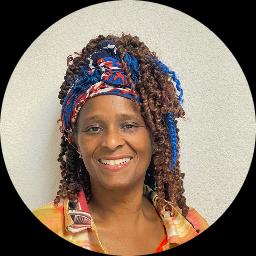
Arizona · 26 yrs exp
Experienced LCSW focused on mindful growth
Addictions · Relationship · Trauma and abuse · Grief · +11 more
Read profile
Arizona · 32 yrs exp
Calm, experienced guide for life transitions
Stress, Anxiety · Relationship · Self esteem · Depression · +1 more
Read profile
Arizona · 10 yrs exp
Experienced LCSW focused on mindful change
Stress, Anxiety · Addictions · Trauma and abuse · Self esteem · +10 more
Read profile
Arizona · 6 yrs exp
Compassionate, practical support for stress and relationships
Stress, Anxiety · Relationship · Family · Parenting · +1 more
Read profile
Arizona · 28 yrs exp
Calm, practical therapy with a mindful focus
Stress, Anxiety · Relationship · Grief · Self esteem · +13 more
Read profile
Arizona · 7 yrs exp
Mindful, practical counseling to guide change
Stress, Anxiety · Grief · Bipolar · Depression · +12 more
Read profileIf you are thinking about mindfulness-informed therapy, you are likely looking for ways to bring more present-moment awareness and practical coping skills into your day-to-day life. In plain terms, mindfulness-informed talk therapy often involves learning to notice your breath and bodily sensations, observe thoughts and feelings without immediately reacting, and practice grounding techniques that help you return to the present when stress feels overwhelming. Sessions typically blend conversational exploration of difficulties with gentle attention-based practices and strategies to implement between meetings. Mindfulness can be offered as an orientation that complements many therapeutic goals, from managing stress and anxiety to supporting concentration and emotional regulation, but it is not a guaranteed solution for any given concern and is not a replacement for medical care when that is recommended by a clinician you trust.
On this page you will find clinicians who list mindfulness therapy among their approaches. That listing signals interest in mindfulness-informed work, but it does not itself document a specific credential, course completion or a formal certification in any mindfulness program. When you review profiles, keep an eye on how each clinician describes the role of attention practices in their work so you can pick someone whose approach matches what you want to try.
Profiles here are grouped under the listed location Arizona. That grouping helps you find clinicians who present themselves as connected to this state, but it is not evidence of an office address, license number or that a clinician currently has permission to practice with you in Arizona. You should open the individual profile and confirm that the person can work with you where you live. Licensing and permission to provide care across state lines can vary depending on degree, license type and the format of care you prefer.
When you look at credentials, notice the difference between academic degrees and professional licenses. Degrees such as PhD, PsyD, MD, MA or MSW describe the educational qualification someone earned. A degree alone does not indicate current authorization to practice. Licenses and registrations are the formal permissions issued by state boards or regulatory bodies that allow someone to offer therapy services. Some profiles will list degrees and separately note licenses or credentials. You should verify the license information directly with the clinician or the issuing board if you need confirmation that they may legally provide care in your location.
Before you make contact, it helps to prepare concrete questions to determine whether a clinician’s approach fits your needs. Ask how they integrate mindfulness with other talk therapy approaches and what a typical session might look like when mindfulness is part of the work. You can inquire whether the clinician emphasizes informal practices such as moment-to-moment noticing during daily life, formal practices like guided breathing or body scans, or short grounding techniques you can use between sessions. Another useful question is how they tailor mindfulness practices to individual needs, for instance adapting practices if you find certain exercises triggering or difficult to complete.
It is reasonable to ask about the clinician’s experience with the particular concerns you bring. Rather than presuming certification in a named mindfulness program, frame your questions around practical experience: how they have worked with people facing similar issues, what approaches they combine with mindfulness, and what kind of homework or between-session practices they typically suggest. If language or cultural fit matters to you, ask about the languages they use in sessions and how they adapt practices to align with your background and values.
If you are considering engaging by video or phone, discuss logistical and safety topics up front. Talk about how the clinician manages technical interruptions, what platforms they use and how they handle documentation and consent for virtual care. You should also ask about emergency procedures and what to do if you need urgent help while working with someone from a distance. It is important to confirm whether the clinician has permission to provide care to people located in Arizona at the time you would work together, since cross-state practice rules vary.
Conversations about style and expectations are also essential. Ask how much of the session is typically devoted to teaching and practicing mindfulness techniques versus exploring life events and emotional patterns. If you have mobility needs, a particular daily routine or caregiving responsibilities, you can ask how the clinician structures between-session practices so they are manageable. Clear upfront discussion helps you gauge whether the clinician’s pace, structure and emphasis on mindfulness align with how you prefer to work.
Comparing profiles effectively means looking for concrete signals about what matters to you. Read how each clinician describes their clinical focus and the populations they mention working with. Profiles that note specific focus areas can help you decide whether to reach out for more information, but a listed topic does not prove a clinician treats children, couples or families, so verify scope directly. Pay attention to the wording used when mindfulness is mentioned. Some clinicians will present it as a central element of their practice, while others will list it among several complementary approaches. That nuance can shape what you can expect from sessions.
Language and cultural matching are practical factors to weigh. If conducting therapy in a language other than English is important for you, look for that in the profile and ask about the clinician’s experience using mindfulness approaches in that language. Compare academic degrees and any licensure information you see, remembering that a degree is different from current permission to practice. Finally, consider style cues in the profile language - whether a clinician emphasizes skills training, inquiry-based exploration, relational work or integration with other therapeutic tools - and decide which style is most likely to support your goals.
After you narrow the list using the filters and descriptions, open individual profiles to read fuller summaries and practitioner statements. Reach out with a brief message outlining what you are hoping to address, asking whether the clinician can legally work with you in Arizona and requesting clarification on how they use mindfulness in sessions. If you want, ask for a short introductory conversation to assess fit and to hear directly how they approach consent, safety planning and between-session practice recommendations. Keep in mind that a clinician listing mindfulness among their approaches does not prove specialized certification in a named program; treat listings as a starting point for conversation rather than a final determination of expertise.
Choosing a clinician is a personal process. Use the profiles to compare what matters to you - focus areas, preferred languages, stated credentials and the therapeutic style you find most approachable - and follow up with direct questions before you decide to move forward. Confirm permission to work together where you live and ask any practical questions you need answered so you can make an informed decision about starting mindfulness-informed therapy in Arizona.
Anger
1277 therapists
Chronic Pain
512 therapists
Depression
1787 therapists
Grief
1513 therapists
Guilt and Shame
1427 therapists
Impulsivity
786 therapists
Isolation / Loneliness
1298 therapists
Panic Disorder and Panic Attacks
994 therapists
Self Esteem
1782 therapists
Sleeping Disorders
621 therapists
Social Anxiety and Phobia
1247 therapists
Stress & Anxiety
1930 therapists
Trauma and Abuse
1610 therapists