
Shannon Gutwein
LCSWWyoming · 14 yrs exp
Compassionate, practical therapy for life's hard moments
Addictions · Relationship · Depression · Coping with life changes · +11 more
Read profileTherapist listings are provided by BetterHelp. We will earn a commission at no additional cost to you if you sign up through our links.
Compare mindfulness-informed approaches, focus areas, languages and professional credentials among therapists listed in Wyoming. Browse profiles to read clinician summaries and confirm on each individual profile whether they have permission to work with you in the listed location.
Wyoming · 14 yrs exp
Compassionate, practical therapy for life's hard moments
Addictions · Relationship · Depression · Coping with life changes · +11 more
Read profile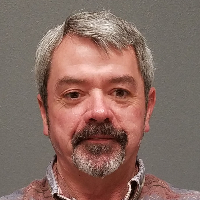
Wyoming · 26 yrs exp
Practical, experienced counseling with mindfulness focus
Stress, Anxiety · Trauma and abuse · Anger · Depression · +10 more
Read profile
Wyoming · 9 yrs exp
Mindful, practical counseling for life challenges
Relationship · Trauma and abuse · Self esteem · Depression · +8 more
Read profile
Wyoming · 10 yrs exp
Calm, practical therapy for everyday struggles
Stress, Anxiety · Relationship · Trauma and abuse · Sleeping · +9 more
Read profile
Wyoming · 10 yrs exp
Mindful, practical support for life transitions
Stress, Anxiety · Addictions · Grief · Eating · +9 more
Read profile
Wyoming · 12 yrs exp
Practical, mindful counseling with a calm, steady approach
Trauma and abuse · Self esteem · Coping with life changes · Coaching · +9 more
Read profile
Wyoming · 21 yrs exp
Mindful, practical therapy for daily life
Stress, Anxiety · Trauma and abuse · Self esteem · Depression · +15 more
Read profile
Wyoming · 15 yrs exp
Balanced coaching with mindful tools
Stress, Anxiety · Trauma and abuse · Depression · Coping with life changes · +10 more
Read profile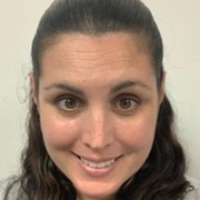
Wyoming · 9 yrs exp
Calm practical care for everyday struggles
Stress, Anxiety · Family · Self esteem · Depression · +12 more
Read profile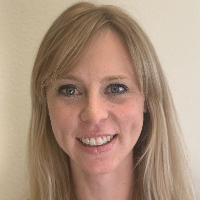
Wyoming · 10 yrs exp
Compassionate psychologist focused on present-centered change
Stress, Anxiety · Addictions · Trauma and abuse · Sleeping · +15 more
Read profile
Wyoming · 24 yrs exp
Compassionate counselor focused on practical change
Stress, Anxiety · Addictions · Relationship · Family · +16 more
Read profile
Wyoming · 8 yrs exp
Compassionate counselor blending mindfulness and action
Grief · Self esteem · Depression · Coping with life changes · +12 more
Read profile
Wyoming · 13 yrs exp
Calm, practical therapy for everyday struggles
Stress, Anxiety · Trauma and abuse · Parenting · Self esteem · +12 more
Read profile
Wyoming · 26 yrs exp
Compassionate, practical support for life transitions
Stress, Anxiety · Grief · Self esteem · Coping with life changes · +10 more
Read profile
Wyoming · 15 yrs exp
Compassionate counselor combining mindfulness and practical skills
Stress, Anxiety · Relationship · Trauma and abuse · Self esteem · +9 more
Read profile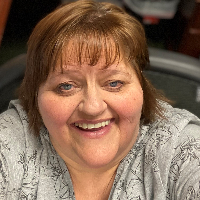
Wyoming · 30 yrs exp
Practical, mindful support for parents and families
Stress, Anxiety · Relationship · Family · Trauma and abuse · +6 more
Read profile
Wyoming · 10 yrs exp
Compassionate counselor using mindfulness and practical tools
Stress, Anxiety · Family · Grief · Parenting · +10 more
Read profile
Wyoming · 40 yrs exp
Mindful, experienced listening for adults
Stress, Anxiety · Trauma and abuse · Grief · Self esteem · +1 more
Read profile
Wyoming · 10 yrs exp
Calm, practical therapy with mindfulness
Stress, Anxiety · Addictions · Anger · Self esteem · +12 more
Read profile
Wyoming · 15 yrs exp
Experienced Wyoming LPC focused on practical change
Addictions · Relationship · Family · Trauma and abuse · +12 more
Read profile
Wyoming · 7 yrs exp
Experienced counselor focused on mindful, practical care
Stress, Anxiety · Family · Trauma and abuse · Grief · +10 more
Read profile
Wyoming · 13 yrs exp
Calm, practical help for life's hard moments
Stress, Anxiety · Addictions · Self esteem · Depression · +8 more
Read profileWhen you search for a therapist who lists mindfulness among their approaches, it helps to be clear about what brought you here. You might be looking for practical ways to notice thoughts and feelings without being overwhelmed by them, to strengthen your ability to stay present when stress spikes, or to learn grounding practices that help you return to the body and breath. Mindfulness-informed talk therapy often blends moments of focused attention and guided noticing with traditional conversation. That can include simple attention exercises, noticing the shape of a thought or bodily sensation, and returning to a grounding anchor such as the breath or the senses. These are options to discuss, not promises of a particular outcome.
Think about the problems you want to prioritize in sessions and what would feel useful to you right away. If your main concern is persistent worry you might ask how a therapist integrates noticing thought patterns into cognitive work. If you are interested in mindful approaches for physical symptoms you might ask how they combine attention practices with discussion of coping strategies. Bringing clear examples of what you hope to change will make it easier to compare profiles and decide which clinicians to contact for a conversation.
The Wyoming grouping on this site is a way of organizing profiles by listed location. That grouping does not by itself prove an office address, a license status, or that a clinician is permitted to practice in your area. Always open an individual profile and look for explicit notes about licensing and permission to work where you live. You should confirm any licensing details directly with the clinician or the relevant state board if that information is important to you.
Distinguish academic degrees from professional licenses when you review credentials. Academic degrees such as PhD, PsyD, MD, MA and MSW are educational qualifications. Licenses and registrations are distinct and indicate the legal permission to provide clinical services in a jurisdiction. A degree alone does not establish current permission to practice. If a profile lists professional credentials such as a counselor, social worker, marriage and family therapist or psychologist license, ask whether that license is active in the state where you live. Profiles may list what clinicians include in their approach, but listing an approach is not evidence of formal training or certification in that modality.
When you contact a clinician, have a few concrete questions ready so you can compare how different profiles align with your needs. Ask how they typically use mindfulness in sessions and what a single session might look like when mindfulness elements are included. You can request examples - will they invite brief guided attention practices, suggest home practice, or focus more on in-session reflection about what you noticed? Ask whether they work primarily through talk, structured exercises, or a blend of both.
Probe about clinical experience in areas that matter to you. If you are seeking help for anxiety, mood concerns, coping with medical conditions, or stress related to life transitions, ask how they describe their experience with those issues and whether they commonly incorporate mindfulness with other approaches. You may also ask what populations they work with most often and whether they have experience supporting people with similar backgrounds to yours. Remember that a profile listing an approach is not evidence of specialized certification, so asking directly about formal training and how they maintain their skills is reasonable.
If you plan to work remotely, discuss practical and safety-related topics upfront so you know what to expect. Ask about the preferred session format and any technology requirements. Clarify how they handle interruptions, lost connections, and rescheduling. Talk about how they address safety or crisis concerns in your location - it is appropriate to ask how they would respond if you were experiencing a crisis and what local resources they would recommend in your area.
Check whether they have permission to provide services to people in Wyoming if you live there, or to the state where you currently reside if that differs from the listed location. Ask about the expected structure of sessions and whether they include guided practices or recommend exercises between meetings. It is also reasonable to discuss how they approach boundaries, note-taking and records. These are practical details that help you assess fit before committing time and energy to a therapeutic relationship.
Comparing profiles involves looking beyond a single word like mindfulness and considering the whole clinician description. Read how a therapist describes their focus areas and notice whether the language matches your situation. Do their descriptions emphasize stress reduction, coping with anxiety, working with chronic health concerns, or addressing life transitions? Which phrases resonate with what you have been experiencing? Compare the languages spoken or offered in therapy if you prefer to work in a language other than English, and note whether cultural factors or identity-related experience are mentioned on profiles.
Examine credentials and how they are presented. Look for degree abbreviations and then for listed professional licenses or registrations. If a profile uses academic degrees like PhD, PsyD, MD, MA or MSW, remember those indicate education. If you need someone with a specific legal permission to practice in Wyoming, ask about their licensure and the jurisdictions where that license applies. Consider style and pacing as described in profiles - does the clinician write that they take an active problem-solving approach, or do they emphasize reflective exploration and paced noticing? Ask yourself which tone feels more likely to help you engage. Finally, use concrete comparison questions when you reach out: Which therapeutic techniques might they use with your concern? How do they incorporate mindfulness in practice? What languages do they work in? Which licenses do they hold and where are they valid? Those direct queries will help you choose a profile to contact for an initial conversation.
Anger
1277 therapists
Chronic Pain
512 therapists
Depression
1787 therapists
Grief
1513 therapists
Guilt and Shame
1427 therapists
Impulsivity
786 therapists
Isolation / Loneliness
1298 therapists
Panic Disorder and Panic Attacks
994 therapists
Self Esteem
1782 therapists
Sleeping Disorders
621 therapists
Social Anxiety and Phobia
1247 therapists
Stress & Anxiety
1930 therapists
Trauma and Abuse
1610 therapists