
Teresa Worthy
LPCMississippi · 21 yrs exp
Mindful, practical counseling for everyday challenges
Stress, Anxiety · Self esteem · Depression · Coping with life changes · +15 more
Read profileTherapist listings are provided by BetterHelp. We will earn a commission at no additional cost to you if you sign up through our links.
Compare therapists who list mindfulness-based therapy in Mississippi by focus areas, credentials, languages and clinical approach. Browse the profiles for the listed location and check each therapist's profile to confirm they can work with you where you live.
Mississippi · 21 yrs exp
Mindful, practical counseling for everyday challenges
Stress, Anxiety · Self esteem · Depression · Coping with life changes · +15 more
Read profile
Mississippi · 7 yrs exp
Calm guidance for real-life stressors
Stress, Anxiety · Family · Trauma and abuse · Anger · +8 more
Read profile
Mississippi · 7 yrs exp
Compassionate counselor focused on everyday change
Stress, Anxiety · Relationship · Trauma and abuse · Self esteem · +12 more
Read profile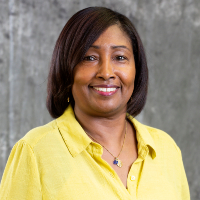
Mississippi · 30 yrs exp
Mindful, practical therapy for real-life struggles
Stress, Anxiety · Relationship · Family · Grief · +12 more
Read profile
Mississippi · 9 yrs exp
Practical, strength-based care for life’s challenges
Stress, Anxiety · Family · Trauma and abuse · Depression · +10 more
Read profile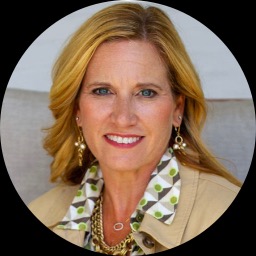
Mississippi · 21 yrs exp
Compassionate therapist focused on practical change
Stress, Anxiety · Relationship · Family · Trauma and abuse · +7 more
Read profile
Mississippi · 11 yrs exp
Experienced person-centered counselor
Stress, Anxiety · Family · Trauma and abuse · Self esteem · +15 more
Read profileIf you are exploring mindfulness-informed talk therapy, it helps to know what to expect in plain terms. Many clinicians who include mindfulness in their approach emphasize paying attention to present-moment experience, noticing thoughts and feelings without judgment, and using grounding techniques to connect with the body and breath. Sessions often involve guided attention exercises, reflective conversation about patterns of thinking or reactivity, and practical strategies to bring awareness into daily life. That said, how mindfulness is used varies widely from one clinician to another - some weave it into cognitive or interpersonal approaches while others bring in elements from somatic or acceptance-based practices.
It is important to remember that seeing "mindfulness" listed among a therapist's approaches is not evidence of formal training or certification in any specific program. Mindfulness-informed care is one option to discuss with a clinician, not a replacement for medical or emergency care. As you read profiles, look for descriptions of how a therapist applies mindfulness in sessions and ask questions about what that actually means for your particular concerns.
Profiles on this site are grouped under a listed location to help you find clinicians associated with Mississippi, but a listed location does not by itself guarantee a physical office in that city or current permission to practice there. Before you make decisions, check each profile for details the clinician provides and confirm directly whether they have the necessary license and authorization to work with you where you live. Licensing rules vary by state and by the type of service being offered, so verification is an important step.
When you review credentials, distinguish between academic degrees and professional licenses. Academic degrees such as PhD, PsyD, MD, MA and MSW describe a clinician's educational background. Licenses or registrations indicate legal permission to practice and are governed by state boards or other authorities. A degree alone does not establish current permission to practice in Mississippi or elsewhere. If a profile lists a degree but does not specify a license or jurisdiction, ask the clinician to clarify their licensure status and whether they can legally provide care in your location.
To find a match, prepare specific questions that help you compare how clinicians implement mindfulness and how that fits your needs. Ask how the therapist integrates mindfulness with other therapeutic approaches and whether they most often use it for stress, mood concerns, trauma-related symptoms or general well-being. You can inquire about the types of clients they work with and whether they have experience addressing issues similar to yours. When modalities are referenced on a profile, remember that listing an approach is not evidence of formal certification; you can ask about the nature and extent of the clinician's training and supervised experience in those areas.
Ask about session structure and what a typical visit might include so you can picture how you would spend your time together. If you prefer more practice-based work that includes guided attention exercises, or if you are looking for deeper verbal exploration, those preferences matter. It is reasonable to ask for examples of how a clinician has adapted mindfulness techniques for clients with similar life circumstances, and whether they use measurement tools to track progress or adjust care over time.
If you expect to work with a clinician remotely, discuss practical and clinical matters up front. Confirm that the clinician is permitted to provide care to people located in Mississippi or in the state where you will be at the time of sessions. Talk about how you will join sessions - whether by video, phone or other means - and set expectations about technology, session length and what you can do if a connection drops. Clarify how the clinician handles privacy and record-keeping and what steps you should take to create a safe setting for yourself during sessions.
It is also important to discuss logistical and safety planning. Ask how the clinician addresses urgent situations and what local emergency resources they recommend, since clinicians working remotely cannot provide in-person emergency response. Make sure you and the clinician agree on communication outside of sessions, limits to the service being offered, and any paperwork such as informed consent that explains the nature of remote care. These conversations help you both understand whether the clinician's way of working fits your comfort level and needs.
When you compare profiles, focus on information that matters to your experience. Look for descriptions of the clinician's clinical focus - for example, work with anxiety, trauma, chronic pain, or life transitions - and note whether those areas align with what you want to address. Pay attention to the languages a clinician uses in practice if communication in a particular language is important to you. Profiles that describe therapeutic style - whether more structured and skills-based or more exploratory and relational - can help you imagine how sessions might feel.
Compare credentials carefully and ask clarifying questions when needed. If a profile lists an academic degree such as a PhD, PsyD, MD, MA or MSW, ask what license or registration the clinician currently holds and in which state. You can also ask about supervision history, continuing education, and how a clinician keeps current with the approaches they use. Finally, consider how the clinician discusses collaboration and goals - clinicians who describe shared goal-setting, ongoing check-ins and clear ways to measure progress may align with clients who prefer an organized approach, while others may emphasize open-ended exploration. Use those differences to narrow your choices and to form the questions you bring to an initial conversation.
Remember that a listed topic on a profile does not guarantee a clinician treats children, couples or families. If your needs involve specific populations, discuss scope of practice directly with the clinician. Above all, confirm on each profile that the clinician has permission to work with you where you live, and reach out to start a conversation so you can make an informed decision about whether their approach feels like a fit for your goals.
Anger
1277 therapists
Chronic Pain
512 therapists
Depression
1787 therapists
Grief
1513 therapists
Guilt and Shame
1427 therapists
Impulsivity
786 therapists
Isolation / Loneliness
1298 therapists
Panic Disorder and Panic Attacks
994 therapists
Self Esteem
1782 therapists
Sleeping Disorders
621 therapists
Social Anxiety and Phobia
1247 therapists
Stress & Anxiety
1930 therapists
Trauma and Abuse
1610 therapists