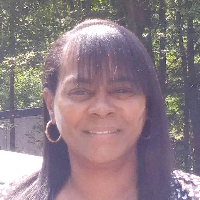
Vicky Burgh-Harris
LCSWNew York · 20 yrs exp
Practical, goal-focused therapy for everyday struggles
Stress, Anxiety · Addictions · Relationship · Self esteem · +9 more
Read profileTherapist listings are provided by BetterHelp. We will earn a commission at no additional cost to you if you sign up through our links.
Browse profiles of therapists who list mindfulness among their approaches in New York to compare clinical focus, languages, degrees and therapeutic style. Open any profile to read more about credentials, client focus and approach, and contact the clinician to confirm they can work with you in your location.
New York · 20 yrs exp
Practical, goal-focused therapy for everyday struggles
Stress, Anxiety · Addictions · Relationship · Self esteem · +9 more
Read profile
New York · 20 yrs exp
Mindful, practical counseling for everyday life
Stress, Anxiety · Family · Parenting · Self esteem · +10 more
Read profile
New York · 12 yrs exp
Compassionate psychologist offering practical care
Stress, Anxiety · Parenting · Self esteem · Coping with life changes · +13 more
Read profile
New York · 4 yrs exp
Compassionate counselor blending practical skills and mindfulness
Stress, Anxiety · Addictions · Relationship · Self esteem · +8 more
Read profile
New York · 22 yrs exp
Steady, practical therapy with mindfulness focus
Stress, Anxiety · Relationship · Family · Parenting · +10 more
Read profile
New York · 5 yrs exp
Mindful, practical, relationship-focused care
Stress, Anxiety · LGBT · Trauma and abuse · Parenting · +11 more
Read profile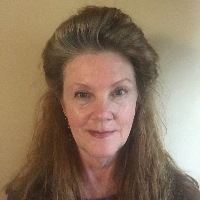
New York · 25 yrs exp
Mindfulness-based therapist and supportive guide
Stress, Anxiety · Addictions · Relationship · Trauma and abuse · +16 more
Read profile
New York · 14 yrs exp
Mindful, practical therapy for life’s transitions
Stress, Anxiety · LGBT · Relationship · Depression · +16 more
Read profile
New York · 11 yrs exp
Compassionate, practical therapy with a mindfulness focus
Stress, Anxiety · Bipolar · Depression · Coping with life changes · +11 more
Read profile
New York · 25 yrs exp
Experienced LCSW focused on mindfulness and goals
Stress, Anxiety · Relationship · Family · Grief · +12 more
Read profile
New York · 10 yrs exp
Compassionate therapist blending mindfulness and skills
Stress, Anxiety · Trauma and abuse · Self esteem · Career · +1 more
Read profile
New York · 5 yrs exp
Practical, respectful therapy focused on mindfulness
Stress, Anxiety · Addictions · Trauma and abuse · Depression · +7 more
Read profile
New York · 7 yrs exp
Practical, skills-focused therapy with a mindfulness lens
Stress, Anxiety · Relationship · Career · Depression · +1 more
Read profileIf you are curious about mindfulness-informed talk therapy, you are likely looking for ways to bring attention, grounding, and present-moment awareness into conversations about what matters to you. Mindfulness-informed therapy can include practices such as noticing thoughts and feelings without judgment, learning short grounding exercises to manage intense moments, and using attention training to help you recognize patterns that affect mood or behavior. These elements are woven into a broader therapeutic conversation rather than offered as a single formula, and therapists may combine them with other clinical approaches depending on their background and the issues you bring.
It is important to approach this work with realistic expectations. Mindfulness-informed strategies can be helpful tools to explore alongside other approaches, but they are not a cure and are not presented as a substitute for medical care or medication management when those are needed. If you have a medical condition, are taking medication, or have a history of severe symptoms, discuss this with a medical professional and mention it to any therapist you contact so you can make a coordinated plan together.
Profiles on this site are grouped under the listed location New York, which helps you find clinicians who indicate a connection to that jurisdiction. A listed location does not prove that there is an office at a particular address, nor does it by itself confirm that a clinician currently has permission to provide care in every New York county or via remote sessions to residents elsewhere. You should open each profile and verify whether the clinician states they can work with you where you live and under what formats they practice.
Degrees such as PhD, PsyD, MD, MA, and MSW identify academic training, but they are distinct from professional licenses or registrations that authorize practice. A degree alone does not establish current permission to practice. Look for information on a profile about the therapist's professional license type and state, and when in doubt, ask the clinician directly for verification. When you reach out, request confirmation that they are legally permitted to provide services to you in your location and ask how they handle jurisdictional requirements if you plan to meet online from a different state.
When you contact a therapist, having specific questions will help you understand whether their style and experience align with your needs. Ask how they typically integrate mindfulness-related practices into talk therapy - for example, whether they use brief attention exercises within sessions, teach at-home practices, or focus primarily on mindful inquiry during conversations. You can also ask what proportion of their work is talk-based versus practice-based and whether they adapt techniques to meet different levels of experience with mindfulness.
Inquire about the clinician's experience with the specific concerns you want to address, such as anxiety, life transitions, chronic stress, or trauma. Ask for examples of how they have supported people with similar concerns while keeping in mind that a profile listing an approach is not evidence of formal training in a particular method. You may also want to discuss how they coordinate with other providers, such as medical professionals, and what their typical session length, communication style, and approach to homework or practice assignments look like.
If you plan to receive care online, talk about practical and safety considerations before beginning. Confirm which video or phone platforms the clinician uses, and ask whether they have preferences for how sessions are conducted. Discuss your local time zone and any scheduling logistics that matter to you. Clarify payment methods and whether the clinician provides documentation for insurance or flexible payment arrangements, and ask about their policies for missed or rescheduled sessions so you understand expectations upfront.
Online care also invites a conversation about crisis planning and local resources. Because clinicians may be located in different places, ask how the therapist would handle emergencies and how they would coordinate with local services if you needed immediate help. Request guidance on what to do between sessions if you experience a severe escalation in symptoms. These are practical arrangements rather than clinical judgments, and a clear plan can help you feel more prepared when starting remote care.
When comparing profiles, look beyond a single label and read the descriptive text that explains a clinician's focus areas and typical client populations. Pay attention to how a therapist describes their approach to mindfulness - whether they emphasize attention training, body-based grounding, mindful reflection on thought patterns, or integration with other therapeutic frameworks. Profiles that mention specific client focuses, such as grief, workplace stress, or life transitions, can help you identify clinicians who write about working with issues similar to yours.
Language is another practical point to consider. If you prefer to work in a language other than English, search profiles for clinicians who list that language and read how they describe their cultural or linguistic competence. Check the profile for stated credentials and remember to distinguish academic degrees from licensing information. If a profile lists a degree but not a license, ask the clinician about their current authorization to practice in New York or to provide telehealth to your location. Finally, notice how therapists describe their therapeutic style - some may present a more directive, skills-focused stance while others emphasize exploratory, reflective conversation - and choose a clinician whose style feels compatible with how you like to work.
As you review profiles, prepare a short set of comparison questions to use when you contact several clinicians. Ask about how they incorporate mindfulness, how they handle practical matters such as session format and crisis planning, and whether they are permitted to offer care to you in your location. Taking a careful, curious approach will help you find a match that fits your needs and preferences while ensuring you have the information necessary to move forward confidently.
Anger
1277 therapists
Chronic Pain
512 therapists
Depression
1787 therapists
Grief
1513 therapists
Guilt and Shame
1427 therapists
Impulsivity
786 therapists
Isolation / Loneliness
1298 therapists
Panic Disorder and Panic Attacks
994 therapists
Self Esteem
1782 therapists
Sleeping Disorders
621 therapists
Social Anxiety and Phobia
1247 therapists
Stress & Anxiety
1930 therapists
Trauma and Abuse
1610 therapists