
Prof. Craig Hutton
LCSWNew Mexico · 4 yrs exp
Compassionate social worker focused on practical change
Stress, Anxiety · Relationship · Trauma and abuse · Intimacy-related issues · +11 more
Read profileTherapist listings are provided by BetterHelp. We will earn a commission at no additional cost to you if you sign up through our links.
Browse profiles of therapists who list Mindfulness Therapy among their clinical approaches and compare their focus areas, languages, degrees, and professional credentials. Use the listed location to narrow options and open profiles to learn more about each clinician.
Check the individual profile and confirm that a therapist has permission to work with you where you live before contacting them.
New Mexico · 4 yrs exp
Compassionate social worker focused on practical change
Stress, Anxiety · Relationship · Trauma and abuse · Intimacy-related issues · +11 more
Read profile
New Mexico · 17 yrs exp
Experienced counselor focused on practical change
Stress, Anxiety · Addictions · Relationship · Family · +9 more
Read profile
New Mexico · 14 yrs exp
Mindful, practical therapy for life transitions
Stress, Anxiety · Relationship · Grief · Depression · +7 more
Read profile
New Mexico · 15 yrs exp
Calm, practical support for stress and loss
Stress, Anxiety · Addictions · Trauma and abuse · Grief · +6 more
Read profile
New Mexico · 15 yrs exp
Calm, practical therapy for life’s hard moments
Trauma and abuse · Parenting · Stress, Anxiety · Addictions · +7 more
Read profile
New Mexico · 39 yrs exp
Calm practical support for relationships and stress
Stress, Anxiety · Relationship · Grief · Anger · +4 more
Read profile
New Mexico · 10 yrs exp
Compassionate care with practical mindfulness
Stress, Anxiety · Trauma and abuse · Intimacy-related issues · Self esteem · +11 more
Read profile
New Mexico · 11 yrs exp
Mindfulness-centered counselor focused on practical change
Stress, Anxiety · Addictions · Trauma and abuse · Grief · +1 more
Read profile
New Mexico · 3 yrs exp
Compassionate mindfulness-informed therapy for trauma and stress
Stress, Anxiety · Trauma and abuse · Depression · Compassion fatigue · +9 more
Read profile
New Mexico · 21 yrs exp
Therapist focusing on mindful change
Stress, Anxiety · LGBT · Relationship · Anger · +1 more
Read profile
New Mexico · 10 yrs exp
Compassionate practical support for life transitions
Stress, Anxiety · Self esteem · Career · Coping with life changes
Read profile
New Mexico · 40 yrs exp
Experienced counselor focused on practical healing
Stress, Anxiety · LGBT · Relationship · Grief · +13 more
Read profile
New Mexico · 32 yrs exp
Calm guidance for stress and change
Stress, Anxiety · Addictions · LGBT · Trauma and abuse · +14 more
Read profile
New Mexico · 35 yrs exp
Mindfulness-informed social worker and coach
Stress, Anxiety · Grief · Career · Coping with life changes · +12 more
Read profile
New Mexico · 12 yrs exp
Experienced LCSW focused on mindful growth
Stress, Anxiety · Self esteem · Coping with life changes · Coaching · +14 more
Read profile
New Mexico · 35 yrs exp
Experienced LCSW blending mindfulness and practical care
Stress, Anxiety · Addictions · Trauma and abuse · Depression · +1 more
Read profile
New Mexico · 8 yrs exp
Compassionate therapist focused on practical change
Stress, Anxiety · Relationship · Family · Trauma and abuse · +6 more
Read profile
New Mexico · 8 yrs exp
Warm, practical help for stress and trauma
Stress, Anxiety · Relationship · Trauma and abuse · Grief · +10 more
Read profile
New Mexico · 30 yrs exp
Calm, mindful counseling for life changes
Stress, Anxiety · LGBT · Grief · Self esteem · +10 more
Read profile
New Mexico · 10 yrs exp
Mindful, relational therapy for real life challenges
Stress, Anxiety · Family · Grief · Depression · +12 more
Read profile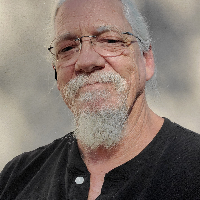
New Mexico · 44 yrs exp
Experienced LPCC offering practical mindfulness therapy
Addictions · Relationship · Trauma and abuse · Anger · +10 more
Read profile
New Mexico · 9 yrs exp
Practical, mindful guidance with an approachable style
Stress, Anxiety · LGBT · Trauma and abuse · Grief · +11 more
Read profileIf you are exploring mindfulness-informed talk therapy in New Mexico, you may be wondering what that label actually means in practice and whether it could fit your needs. In plain terms, mindfulness-informed therapy often emphasizes attention to the present moment, noticing thoughts and feelings without judgment, and practicing simple grounding techniques to reorient when you feel overwhelmed. Sessions may include guided attention exercises, conversational work about how you relate to stress and emotion, and strategies to help you notice patterns in thinking and behavior. How these elements appear will vary from one clinician to another, so you should expect to see differences in emphasis, tone, and day-to-day techniques.
It is also important to keep realistic expectations. Mindfulness-informed approaches are options to explore as part of talk therapy; they are not presented here as a replacement for medical care or as a guaranteed solution. If you are managing physical health concerns or taking medication, discuss how therapy fits into your overall plan with both your medical and mental health providers. When you read a profile, look for descriptions of how the clinician blends mindfulness attention, noticing inner experience, and grounding skills with other talking therapies so you can decide whether that combination aligns with your goals.
This page groups profiles under the listed location New Mexico, which helps you narrow choices by region. That grouping is not evidence of an office, physical proximity, eligibility for every resident, or an active license in that location. Profiles may describe where a clinician works or where they list themselves for outreach, but you should open each profile to see details and confirm whether the clinician can legally provide care to you in your state or municipality. Always ask a clinician directly if they are permitted to work with you where you live before relying on their profile for decisions.
When you look at credentials on a profile, note the difference between academic degrees and professional licenses. Academic degrees such as PhD, PsyD, MD, MA, and MSW indicate a level of graduate education, but a degree alone does not establish current permission to practice. Professional licenses or registrations govern whether a clinician is authorized to provide mental health services in a given jurisdiction. Licensing terms and titles vary by state, so you should read the profile language carefully and ask follow-up questions if a license type is not clear. Verifying a current license and permission to work where you live reduces uncertainty about the clinician's legal ability to provide care to you.
When you contact a therapist or review a profile, clear questions help you compare how clinicians describe their work. Ask how they use attention practices and what role noticing thoughts and feelings plays in their sessions. You can request concrete examples of exercises they might introduce during a session and how those are integrated with talking through personal history, relationships, or behavior patterns. If you prefer a more structured or a more exploratory style of conversation, ask the clinician to describe a typical session so you can imagine the rhythm and level of guidance.
Because profiles list Mindfulness Therapy among clinical approaches, you should also ask whether they combine mindfulness with other approaches and how they tailor techniques for specific concerns. Inquire about experience with issues similar to yours and ask what kinds of outcomes their clients have reported in general terms without expecting promises. If language, cultural background, or identity are important to your care, ask how they approach cultural responsiveness and whether they have experience working with people who share your background. Concrete questions will give you a clearer basis for choosing between profiles than general impressions alone.
If you are considering online therapy sessions, there are practical topics to discuss before your first appointment. Talk about how sessions will be conducted technically and what communication methods the clinician prefers. Confirm whether the clinician is permitted to provide care to you in New Mexico if you are physically located there, and ask how they handle location changes if you move or travel. Discuss how the clinician manages urgent concerns that may arise between sessions and what local resources or emergency contacts they recommend in your area.
It is also helpful to discuss expectations around session length, information-sharing boundaries practices, record keeping, and how they approach informed consent for online care. Ask how they adapt mindfulness-informed practices to an online setting and whether they provide materials or homework between sessions. If you have particular needs related to hearing, vision, mobility, or neurodiversity, bring these up early so the clinician can describe reasonable arrangements. Clarifying logistics and scope up front helps you focus on therapeutic work once sessions begin.
When comparing profiles, look beyond headline statements and read the narrative details that explain a clinician's focus areas and the populations they mention. Some profiles will emphasize work with stress, chronic pain, anxiety, or life transitions, while others may highlight trauma-informed care, mood concerns, or workplace stress. Remember that a listed topic does not establish that the therapist treats children, couples, or families, so if that is relevant to you, ask the clinician directly about their scope of practice and experience with your particular needs.
Language and cultural competence are central for many people. Profiles often note which languages a clinician speaks and whether they have experience in particular cultural communities. If spoken language is important to your comfort and therapeutic goals, prioritize profiles that list communication in the language you prefer and follow up about cultural understanding and relevant experience. For credentials, compare academic degrees and then ask about current licensing status. A clinician may hold a PhD, PsyD, MD, MA, or MSW and also have a separate professional license - these are distinct pieces of information. Finally, consider therapeutic style: some clinicians describe a more directive, skills-based approach while others emphasize reflective, exploratory conversation. Reading multiple profiles and posing targeted questions will help you identify which style aligns with how you like to engage in therapy.
As you move through profiles listed for New Mexico, keep notes on which descriptions resonate with your priorities and what follow-up questions you want to ask. Confirm permission to work with you in your location before relying on any profile information, and use direct conversation to assess fit, clinical approach, and logistics. Thoughtful comparison of approaches, credentials, language capability, and therapeutic style will help you select profiles worth contacting for an initial conversation.
Anger
1277 therapists
Chronic Pain
512 therapists
Depression
1787 therapists
Grief
1513 therapists
Guilt and Shame
1427 therapists
Impulsivity
786 therapists
Isolation / Loneliness
1298 therapists
Panic Disorder and Panic Attacks
994 therapists
Self Esteem
1782 therapists
Sleeping Disorders
621 therapists
Social Anxiety and Phobia
1247 therapists
Stress & Anxiety
1930 therapists
Trauma and Abuse
1610 therapists