
Erin Beskid
LCPCMaryland · 15 yrs exp
Practical mindfulness and skills-based counseling
Stress, Anxiety · Self esteem · Career · Coaching · +8 more
Read profileTherapist listings are provided by BetterHelp. We will earn a commission at no additional cost to you if you sign up through our links.
Browse profiles of practitioners grouped under the listed location Maryland who list mindfulness-based therapy among their approaches. Use the profile details to compare focus areas, languages, and credentials, and check each profile to confirm permission to work with you where you live.
Maryland · 15 yrs exp
Practical mindfulness and skills-based counseling
Stress, Anxiety · Self esteem · Career · Coaching · +8 more
Read profile
Maryland · 10 yrs exp
Mindful, practical therapy for daily life
Stress, Anxiety · Addictions · LGBT · Grief · +12 more
Read profile
Maryland · 11 yrs exp
Mindfulness-based, practical therapy for coping
Stress, Anxiety · Trauma and abuse · Bipolar · Depression · +2 more
Read profile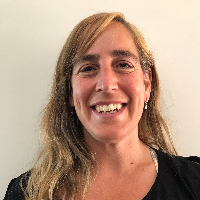
Maryland · 3 yrs exp
Mindful support for life’s hard moments
Stress, Anxiety · Grief · Parenting · Coping with life changes · +8 more
Read profile
Maryland · 10 yrs exp
Trusted clinician using mindfulness and practical skills
Stress, Anxiety · Family · Trauma and abuse · Coping with life changes · +12 more
Read profile
Maryland · 15 yrs exp
Supportive therapist using mindfulness and practical skills
Stress, Anxiety · LGBT · Parenting · Self esteem · +10 more
Read profile
Maryland · 14 yrs exp
Practical, mindful support for everyday stress
Stress, Anxiety · Family · Trauma and abuse · Parenting · +1 more
Read profile
Maryland · 5 yrs exp
Mindfulness-centered counseling for practical coping
Stress, Anxiety · LGBT · Trauma and abuse · Depression · +1 more
Read profile
Maryland · 5 yrs exp
Calm, practical therapy for life transitions
Stress, Anxiety · Addictions · Grief · Career · +1 more
Read profileWhen you begin looking at mindfulness-oriented therapists in Maryland, it helps to be clear about the concerns you want to address and the style of care you prefer. Mindfulness-informed talk therapy typically emphasizes paying attention to your present experience - noticing thoughts, sensations, and feelings without immediate judgment - and practicing simple grounding techniques to return attention to your body or breath. For some people this is paired with conversation about patterns of thinking, behavioral change, or coping strategies. For others, practices that cultivate acceptance and moment-to-moment awareness may be the primary focus. You should think about whether you want a primarily conversational approach that weaves in mindfulness exercises, a practice-oriented path with guided attention exercises, or a blend. Keep in mind that mindfulness is an option to discuss with a practitioner, not a promise of a particular outcome, and it is not a replacement for medical care when that is needed. As you read profiles, note how therapists describe their clinical focus, the populations they mention, and whether they list mindfulness among their approaches so you can match those descriptions to your goals.
The fact that a profile appears under the listed location Maryland does not automatically confirm an in-person office in your city, a current license in that jurisdiction, or ongoing permission to practice with residents where you live. Profiles group practitioners by the listed location for browsing convenience, so you should open each profile and look for specific statements about licensure and the settings in which the practitioner is authorized to work. Academic degrees such as PhD, PsyD, MD, MA, and MSW tell you about a practitioner’s educational background, but a degree alone does not establish a legal permission to practice. Professional licenses or registrations - which are issued by state boards and often have abbreviations - are the formal credentials that determine whether someone can offer clinical services in a given state. When a profile mentions mindfulness, remember that listing Mindfulness Therapy among clinical approaches is not evidence of formal mindfulness training or certification such as MBSR or MBCT. Confirming both the degree and the licensing status, and asking whether the practitioner is permitted to work with you in Maryland, helps you make an informed choice.
When you find profiles that feel relevant, prepare concrete questions that will help you understand how a practitioner actually works. You can ask how they integrate mindfulness into sessions - whether they teach brief attention practices during meetings, assign short home practices, or primarily bring a mindful stance to conversation. Ask what clinical concerns they most often work with and how long they have been addressing those issues, and inquire about their experience with populations similar to yours. If you speak another language or want culturally responsive care, ask about language fluency and experience working with clients from similar backgrounds. It is reasonable to ask whether they list mindfulness among their approaches and, if so, whether that reflects specific coursework, supervision, continuing education, or personal practice - while noting that listing an approach on a profile does not prove formal certification. You can also ask about the typical session structure, how they measure progress or goals in therapy, and what a few early sessions are likely to focus on. Asking concrete questions gives you the information to compare profiles on substantive grounds rather than relying on general descriptions alone.
If you are considering remote work, there are important practical and safety topics to cover before beginning. Confirm whether the practitioner states they are permitted to provide care to someone living in Maryland and ask how they handle state licensing boundaries. Talk about the technology you will use, how they handle session notes and record keeping, and what to expect if a session is interrupted. You should discuss how to manage emergencies or crises in your area, including who to contact locally if you need immediate help, because practitioners cannot provide emergency services across distances. It is also useful to ask about expectations for where you will be located during a session - some practitioners ask that you be in a personal, undisturbed space - and to clarify policies on cancellations, communication between sessions, and any paperwork or informed consent that will be provided. These conversations help you set clear boundaries and understand how the therapy relationship will function logistically.
Comparing profiles means looking beyond a single phrase and evaluating multiple elements together. Start by noting the clinical focus areas listed on profiles - for example, stress reduction, anxiety, grief, chronic health concerns, or life transitions - and see which descriptions align with the reason you are seeking help. Check which languages a practitioner lists so you can communicate comfortably. Look at academic degrees to understand training background, then read the profile for statements about professional licenses or registration to confirm the legal authority to practice. Pay attention to how a therapist describes their therapeutic style - do they emphasize gentle guidance, skills teaching, inquiry-based conversation, or practice-oriented sessions - and think about which style resonates with you. If a profile lists multiple approaches, such as mindfulness alongside cognitive or somatic methods, consider asking how those elements are balanced in sessions and request examples of what a typical meeting might involve. Also examine any notes on populations served and age groups, because a listed topic does not prove a practitioner treats children, couples, or families unless the profile explicitly states that scope. When profiles mention that they list Mindfulness Therapy among their approaches, remember that this is a starting point for discussion rather than a certification. Comparing profiles on these concrete points - focus, language, degrees, licenses, and stated style - will help you narrow choices and prepare questions to pose directly to the practitioners you contact.
Choosing a practitioner is a personal process that benefits from careful reading and direct conversation. Use the profiles in Maryland to shortlist people who seem to match your needs, then reach out to ask the verification and approach questions that matter to you. Confirm that each practitioner is permitted to work with you where you live before beginning sessions, and take time to assess whether the way they describe their work fits what you hope to find in a therapeutic relationship.
Anger
1277 therapists
Chronic Pain
512 therapists
Depression
1787 therapists
Grief
1513 therapists
Guilt and Shame
1427 therapists
Impulsivity
786 therapists
Isolation / Loneliness
1298 therapists
Panic Disorder and Panic Attacks
994 therapists
Self Esteem
1782 therapists
Sleeping Disorders
621 therapists
Social Anxiety and Phobia
1247 therapists
Stress & Anxiety
1930 therapists
Trauma and Abuse
1610 therapists