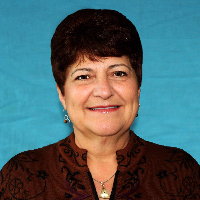
Michelle Lesagonicz
LCSWAlaska · 11 yrs exp
Mindfulness-centered, practical support for adults
Stress, Anxiety · Relationship · Family · Trauma and abuse · +9 more
Read profileTherapist listings are provided by BetterHelp. We will earn a commission at no additional cost to you if you sign up through our links.
Browse profiles of clinicians who list mindfulness therapy under the Alaska listed location. Compare their approaches, degrees, languages and clinical focus, and open individual profiles to confirm a clinician's permission to work with you where you live.
Alaska · 11 yrs exp
Mindfulness-centered, practical support for adults
Stress, Anxiety · Relationship · Family · Trauma and abuse · +9 more
Read profile
Alaska · 22 yrs exp
Strengths-based support with mindfulness
Stress, Anxiety · LGBT · Grief · Coping with life changes · +9 more
Read profile
Alaska · 30 yrs exp
Mindful, practical counseling for life struggles
Stress, Anxiety · Addictions · Relationship · Family · +10 more
Read profile
Alaska · 11 yrs exp
Mindful, practical therapy for life challenges
Stress, Anxiety · Addictions · Relationship · Trauma and abuse · +7 more
Read profile
Alaska · 9 yrs exp
Calm guidance for people facing life change
Stress, Anxiety · Relationship · Family · Self esteem · +5 more
Read profile
Alaska · 4 yrs exp
Compassionate therapy with practical tools
Stress, Anxiety · Trauma and abuse · Self esteem · Depression · +10 more
Read profile
Alaska · 25 yrs exp
Mindfulness-focused counselor with long experience
Stress, Anxiety · Relationship · Trauma and abuse · Anger · +5 more
Read profile
Alaska · 20 yrs exp
Calm, practical therapy for life's hard moments
Stress, Anxiety · Addictions · Relationship · Family · +11 more
Read profile
Alaska · 35 yrs exp
Mindful, person-centered social worker
Stress, Anxiety · Addictions · Trauma and abuse · Self esteem · +9 more
Read profile
Alaska · 9 yrs exp
Compassionate therapist focusing on practical change
Family · Grief · Anger · Self esteem · +9 more
Read profile
Alaska · 13 yrs exp
Calm, practical therapy for stress and trauma
Stress, Anxiety · Addictions · Trauma and abuse · Depression · +9 more
Read profile
Alaska · 5 yrs exp
Practical, compassionate support for life’s struggles
Stress, Anxiety · Addictions · Anger · Depression · +9 more
Read profile
Alaska · 9 yrs exp
Calm, practical support for life transitions
Stress, Anxiety · Relationship · Family · Trauma and abuse · +14 more
Read profileWhen you read a profile that lists mindfulness among its approaches, you should expect a clinician to describe ways of paying attention to the present moment with curiosity rather than judgment. In practice this can mean learning simple attention practices, noticing thoughts and feelings as events that arise and pass, and using grounding techniques to orient your senses when you feel overwhelmed. Many clinicians combine those practices with conversational exploration - helping you reflect on patterns of thinking, behavior and emotion while also drawing on moment-to-moment awareness.
Mindfulness-informed work can take different shapes. Some clinicians emphasize short, accessible exercises you can use between sessions. Others weave mindful inquiry into traditional talk therapy, using awareness practices to clarify habitual reactions or to explore the body’s sensations connected to memory and mood. It is important to view these descriptions as options to discuss rather than promises of a specific pathway. Listing mindfulness on a profile is not evidence of formal certification in a particular program, so you may want to ask how a clinician integrates mindful practices into their overall approach.
The Alaska listed location groups profiles linked to that geography, but it does not automatically establish an in-person office or a clinician’s current license status in every community. If it matters to you where a clinician is permitted to practice, check the individual profile and directly confirm their permission to work with you in your jurisdiction. Licensing rules vary by state and by professional credential, so direct confirmation is the clearest route to knowing whether a clinician can provide services to you where you live.
Degrees such as PhD, PsyD, MD, MA and MSW describe academic training, while professional licenses or registrations indicate permission to practice. A degree alone does not establish current permission to practice. For example, someone may hold a PhD in psychology but also need a state psychologist license to provide clinical services. Licenses commonly seen on profiles include state psychology licenses, social work licenses and counseling or marriage and family therapy licenses. When you review a profile, look for both degree information and the clinician’s statement about their licensure or authorization to provide care to patients in Alaska or, if you are located elsewhere, in your area.
Clear, specific questions help you understand how mindfulness might be used in sessions. You can ask how much of the work typically involves guided attention practices versus conversational reflection, and how formal or informal the practices are. Ask whether they describe mindfulness as a primary focus or as one of several approaches. If you see references to other modalities - for example, clinicians who list EMDR among their approaches - you can ask how those methods are combined and whether they have ongoing supervision or continuing education in those areas.
It is also appropriate to ask about experience with concerns like anxiety, trauma, chronic pain or grief, and to inquire about any specific populations the clinician works with. A listed topic does not guarantee that a clinician treats children, couples or families, so discuss your particular needs and the clinician’s actual scope directly. You may want to ask how they adapt mindful practices for trauma sensitivity, cultural differences or for people who find formal meditation uncomfortable. Practical questions about session flow, what a typical visit looks like, and how they handle follow-up between visits will give you a clearer sense of fit before you decide to reach out.
If you plan to connect remotely, address the technical and practical aspects before your first session. Ask which video or phone systems the clinician uses and how they manage data handling and session protections so you feel informed about how information is handled. Discuss what to do in case of an emergency, including whether the clinician has a plan for directing you to local resources or crisis services if needed. Clarify how they handle documentation, informed consent and any cross-jurisdictional issues that may affect whether they can legally provide care to you where you live.
It is also wise to talk about coordination with other providers if you are working with a primary care clinician or a prescriber. Ask how the clinician prefers to communicate with other members of your care team and what information they will share with your permission. Before you begin, confirm that they have permission to provide services to you in your state or region, and ask about any limits on providing care across state lines. These practical conversations help set expectations and reduce uncertainty about how the therapeutic relationship will function in day-to-day terms.
When you compare profiles, pay attention to the specific focus areas clinicians describe and how those align with your needs. Some profiles name concerns such as stress, trauma, or life transitions; others emphasize mindfulness in the context of chronic health challenges or behavioral change. Note the languages listed on a profile if language match is important to you, and look for descriptions that convey the clinician’s typical session style - for example, more exploratory and reflective language versus a description that suggests a more directive coaching tone.
Consider credentials as part of the picture but not the whole story. Degrees show educational background while licenses indicate authorization to practice in certain roles and jurisdictions. You may also find clinicians who describe years of experience or special interests; these statements can help you form questions to ask in a first message. Pay attention to how clinicians write about their work: descriptions that explain how they incorporate mindful attention, bodily awareness and grounding techniques into sessions give you a sense of practical emphasis. Ultimately, the profiles are a starting point. Reach out with targeted questions about the clinician’s approach to mindfulness, the populations they work with, the languages they use for therapy, and to confirm their permission to work with you in your location. That direct exchange is the most reliable way to know whether a profile matches what you want.
Anger
1277 therapists
Chronic Pain
512 therapists
Depression
1787 therapists
Grief
1513 therapists
Guilt and Shame
1427 therapists
Impulsivity
786 therapists
Isolation / Loneliness
1298 therapists
Panic Disorder and Panic Attacks
994 therapists
Self Esteem
1782 therapists
Sleeping Disorders
621 therapists
Social Anxiety and Phobia
1247 therapists
Stress & Anxiety
1930 therapists
Trauma and Abuse
1610 therapists