
Giovanni Bass
LCSWNorth Carolina · 14 yrs exp
Therapist focused on mindful, practical change
Stress, Anxiety · Relationship · Family · Trauma and abuse · +9 more
Read profileTherapist listings are provided by BetterHelp. We will earn a commission at no additional cost to you if you sign up through our links.
Browse profiles of therapists who list mindfulness among their approaches in the listed location North Carolina. Use the profile summaries to compare approaches, focus areas, languages and credentials, then open profiles to learn more and contact therapists to confirm they can work with you where you live.
North Carolina · 14 yrs exp
Therapist focused on mindful, practical change
Stress, Anxiety · Relationship · Family · Trauma and abuse · +9 more
Read profile
North Carolina · 7 yrs exp
Practical, mindful support for life and relationships
Stress, Anxiety · Relationship · Trauma and abuse · Depression · +1 more
Read profile
North Carolina · 16 yrs exp
Calm practical support for stressful times
Stress, Anxiety · Relationship · Self esteem · Depression · +8 more
Read profile
North Carolina · 20 yrs exp
Mindful, practical counseling for everyday challenges
Stress, Anxiety · Addictions · Family · Parenting · +11 more
Read profile
North Carolina · 13 yrs exp
Calm guidance for practical emotional change
Stress, Anxiety · Relationship · Anger · Bipolar · +13 more
Read profile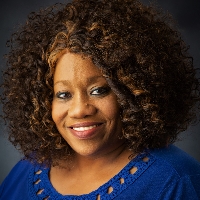
North Carolina · 15 yrs exp
Practical mindfulness for stress and trauma
Stress, Anxiety · Trauma and abuse · Grief · Self esteem · +11 more
Read profile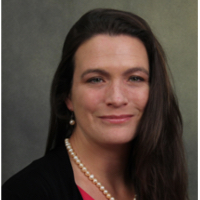
North Carolina · 14 yrs exp
Mindful, practical therapy focused on change
Stress, Anxiety · Addictions · Relationship · Family · +15 more
Read profile
North Carolina · 15 yrs exp
Mindfulness-informed clinical psychologist
Stress, Anxiety · Self esteem · Bipolar · Depression · +14 more
Read profile
North Carolina · 14 yrs exp
Guiding change with mindfulness and practical tools
Stress, Anxiety · Family · Trauma and abuse · Depression · +16 more
Read profile
North Carolina · 14 yrs exp
Mindful, practical therapy for everyday challenges
Stress, Anxiety · LGBT · Relationship · Family · +14 more
Read profile
North Carolina · 18 yrs exp
Calm skills and clear direction
Stress, Anxiety · Relationship · Grief · Depression · +11 more
Read profile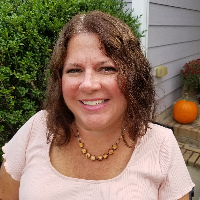
North Carolina · 5 yrs exp
Calm, practical therapy with mindfulness
Stress, Anxiety · Addictions · Grief · Depression · +7 more
Read profile
North Carolina · 4 yrs exp
Calm, values-focused therapy
Stress, Anxiety · Grief · Self esteem · Depression · +15 more
Read profile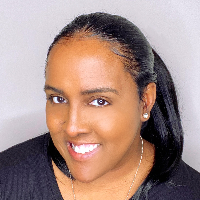
North Carolina · 20 yrs exp
Calm practical guidance for real-life change
Stress, Anxiety · Addictions · Family · Career · +16 more
Read profile
North Carolina · 10 yrs exp
Experienced LCSW focused on practical support
Stress, Anxiety · LGBT · Trauma and abuse · Self esteem · +12 more
Read profile
North Carolina · 10 yrs exp
Compassionate therapist focused on mindful change
Stress, Anxiety · Relationship · Trauma and abuse · Depression · +11 more
Read profile
North Carolina · 7 yrs exp
Mindful and practical therapy for real life
Stress, Anxiety · Addictions · Trauma and abuse · Depression · +13 more
Read profile
North Carolina · 3 yrs exp
Practical, mindful therapy for everyday strain
Stress, Anxiety · Trauma and abuse · Grief · Self esteem · +7 more
Read profile
North Carolina · 5 yrs exp
Calm practical support for stress and change
Stress, Anxiety · Addictions · Grief · Depression · +1 more
Read profile
North Carolina · 24 yrs exp
Mindful, practical counseling for everyday struggles
Stress, Anxiety · Relationship · Grief · Coping with life changes · +4 more
Read profile
North Carolina · 21 yrs exp
Therapist blending mindfulness and practical change
Stress, Anxiety · Trauma and abuse · Self esteem · Depression · +1 more
Read profileIf you are exploring mindfulness-informed talk therapy in North Carolina, you are likely looking for a clinician whose way of working fits your needs and your circumstances. Mindfulness-informed talk therapy commonly involves attention to your moment-to-moment experience, noticing thoughts and feelings with a gentle attitude, and using grounding skills to reorient when you feel overwhelmed. In practice this can mean learning ways to pay attention to bodily sensations, to track patterns of thinking, and to practice brief exercises that bring you back to the present. Therapists who list mindfulness among their approaches may combine these elements with talk-based strategies to help you reflect on your goals and reactions.
It is important to understand that mindfulness is one approach among many and not a replacement for medical care. The presence of mindfulness on a profile is not evidence of a formal mindfulness certification. Use profiles to get a sense of how a therapist describes their approach and then follow up with questions about how they would work with your specific concerns.
This site groups profiles under the listed location North Carolina. That grouping is designed to help you find clinicians who indicate that they work with people connected to that area, but it does not guarantee an office address, physical proximity, or an active license in every city. You should open each profile and look for statements the clinician has provided about practice location, licensure and the settings in which they work. Then contact the clinician to confirm they have permission to work with you where you live.
When you read a profile, notice the difference between academic degrees and professional licensure. Degrees such as PhD, PsyD, MD, MA and MSW describe educational accomplishments. Licenses or registrations are issued by state boards and indicate whether a person has legal permission to practice in particular roles - for example licensed professional counselor, licensed clinical social worker, marriage and family therapist or psychologist. A degree alone does not establish current permission to practice where you live. Ask directly about the license type, the issuing jurisdiction, and whether the clinician is authorized to provide care in your state or county.
When you contact someone whose profile interests you, asking specific questions will give you a clearer picture of how they work. You might ask how they describe their use of mindfulness in sessions and what a typical session looks like for someone with your goals. Ask whether they draw on other approaches and how they tailor those to an individual client. If the profile mentions particular concerns - such as anxiety, stress, trauma or grief - inquire about their experience working with people who share your background or presenting problem and about the kinds of goals they help people set.
It is reasonable to ask practical, direct questions about training and experience without assuming that named approaches imply certification. You can ask whether they have training in specific mindfulness programs such as MBSR or MBCT, or whether they have participated in workshops or clinical supervision related to mindfulness. A profile that lists EMDR, cognitive behavioral therapy or acceptance and commitment therapy should be read as an indication of approaches the clinician uses, not as automatic proof of formal certification in those methods.
Before you begin sessions, a short conversation about logistics and expectations can prevent misunderstandings. Discuss whether the clinician offers care in person, remotely, or both, and whether they are able to work with you given where you live. If you plan to meet remotely, check what technology will be used and what you will need to access it. You should also talk about privacy in the context of sessions and make plans to be in a private space during appointments. Ask about how the clinician handles emergencies or situations when immediate in-person support may be needed.
It is helpful to outline your goals and to ask how progress is tracked. You can ask what a typical course of work might explore, how homework or practice may be suggested, and how the clinician measures whether an approach is helpful for you. Also discuss practical matters such as whether they work with your insurance or offer other payment options, and what to expect regarding session length and scheduling norms. None of these details are a guarantee, but they help you make an informed choice about whether to move forward with a particular clinician.
Profiles often include several elements you can compare. Focus areas tell you which concerns the clinician highlights and can include things like stress management, mood concerns, trauma-related symptoms, life transitions or workplace challenges. Languages listed on a profile indicate the clinician's ability to conduct therapy in those languages, which may matter a great deal if you prefer to speak in your first language. Credentials on a profile will usually list degrees and may note licensure; read those items carefully and verify licensure directly with the clinician.
Beyond factual credentials, a clinician's therapeutic style is important. Some clinicians describe a more directive approach where they offer structured guidance and skills training, while others emphasize collaborative exploration and experiential practice. You can compare the language used on profiles to get a sense of style - whether a clinician emphasizes skill-building, reflective dialogue, body-based awareness, or a combination of techniques. Useful comparison questions include asking how they balance mindfulness practice with talk-based reflection, what kind of homework or between-session practice they typically suggest, and how they adapt their methods for different life stages or cultural backgrounds.
As you compare profiles, remember that the listing of mindfulness or any other approach does not attest to formal certification in that modality. Use profiles to narrow your choices, then reach out with targeted questions to confirm licensure, permission to work where you live, languages offered and the clinician's experience with issues similar to yours. That approach will help you make a more informed match between your needs and the professionals who list mindfulness among their approaches in North Carolina.
Anger
1277 therapists
Chronic Pain
512 therapists
Depression
1787 therapists
Grief
1513 therapists
Guilt and Shame
1427 therapists
Impulsivity
786 therapists
Isolation / Loneliness
1298 therapists
Panic Disorder and Panic Attacks
994 therapists
Self Esteem
1782 therapists
Sleeping Disorders
621 therapists
Social Anxiety and Phobia
1247 therapists
Stress & Anxiety
1930 therapists
Trauma and Abuse
1610 therapists