
Kelley Sullivan
LCSWColorado · 19 yrs exp
Experienced LCSW using practical mindfulness
Stress, Anxiety · Relationship · Trauma and abuse · Grief · +12 more
Read profileTherapist listings are provided by BetterHelp. We will earn a commission at no additional cost to you if you sign up through our links.
This page groups therapist profiles under the listed location Colorado and highlights clinicians who list mindfulness-based therapy among their approaches. You can compare focus areas, languages, credentials and therapy style when browsing profiles. Review each profile and confirm a therapist's license and permission to work with you in your location before beginning.
Colorado · 19 yrs exp
Experienced LCSW using practical mindfulness
Stress, Anxiety · Relationship · Trauma and abuse · Grief · +12 more
Read profile
Colorado · 15 yrs exp
Direct, goal-focused therapist
Stress, Anxiety · Relationship · Intimacy-related issues · Self esteem · +10 more
Read profile
Colorado · 30 yrs exp
Mindful person-centered counseling
Stress, Anxiety · Relationship · Trauma and abuse · Depression · +15 more
Read profile
Colorado · 11 yrs exp
Compassionate counseling with mindfulness and skills
Stress, Anxiety · LGBT · Trauma and abuse · Anger · +15 more
Read profile
Colorado · 20 yrs exp
Compassionate practical therapy for everyday challenges
Stress, Anxiety · Anger · Self esteem · Depression · +10 more
Read profile
Colorado · 20 yrs exp
Calm, practical therapy for life changes
Stress, Anxiety · Addictions · Relationship · Family · +15 more
Read profile
Colorado · 20 yrs exp
Calm, practical help for life's hard moments
Stress, Anxiety · Addictions · Anger · Depression · +6 more
Read profile
Colorado · 8 yrs exp
Mindful counselor for practical change
Stress, Anxiety · Trauma and abuse · Grief · Self esteem · +14 more
Read profile
Colorado · 10 yrs exp
Therapist focused on relationships and change
Stress, Anxiety · Relationship · Trauma and abuse · Self esteem · +13 more
Read profile
Colorado · 3 yrs exp
Compassionate, grounded social worker
Stress, Anxiety · Relationship · Family · Trauma and abuse · +14 more
Read profile
Colorado · 8 yrs exp
Calm guidance for everyday challenges
Stress, Anxiety · Relationship · Trauma and abuse · Grief · +16 more
Read profile
Colorado · 12 yrs exp
Calm, practical therapy focused on strengths
Stress, Anxiety · Trauma and abuse · Self esteem · Depression · +1 more
Read profile
Colorado · 40 yrs exp
Experienced Colorado psychologist focused on mindfulness
Stress, Anxiety · Relationship · Family · Trauma and abuse · +13 more
Read profile
Colorado · 26 yrs exp
Therapist focused on stress and relationships
Stress, Anxiety · Addictions · Relationship · Intimacy-related issues · +1 more
Read profile
Colorado · 7 yrs exp
Calm guidance for practical change
Stress, Anxiety · Trauma and abuse · Grief · Self esteem · +3 more
Read profile
Colorado · 5 yrs exp
Mindfulness-focused counselor for life transitions
Stress, Anxiety · Grief · Intimacy-related issues · Coping with life changes · +10 more
Read profile
Colorado · 9 yrs exp
Mindful, practical therapy for everyday struggles
Stress, Anxiety · Addictions · Relationship · Family · +14 more
Read profile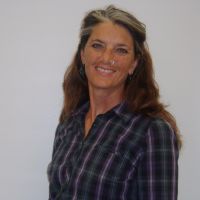
Colorado · 25 yrs exp
Compassionate problem-solving with practical tools
Stress, Anxiety · Addictions · Trauma and abuse · Grief · +8 more
Read profile
Colorado · 27 yrs exp
Calm, practical support for emotional challenges
Stress, Anxiety · Family · Parenting · Depression · +8 more
Read profile
Colorado · 17 yrs exp
Mindful, practical support for life’s pressures
Stress, Anxiety · Relationship · Trauma and abuse · Anger · +10 more
Read profile
Colorado · 7 yrs exp
Mindfulness-informed LCSW helping with life changes
Stress, Anxiety · Self esteem · Career · Coping with life changes · +11 more
Read profile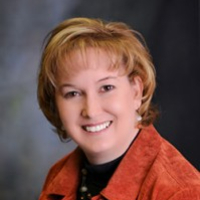
Colorado · 20 yrs exp
Compassionate, practical counseling for real life
Stress, Anxiety · Addictions · Self esteem · Depression · +15 more
Read profileWhen you are thinking about looking for help you may be focused on specific concerns such as persistent worry, difficulty managing stress, trouble sleeping, chronic pain, or challenges with attention and rumination. Mindfulness-informed talk therapy generally refers to approaches that combine conversation about thoughts, feelings and life context with practices that help you notice the present moment - for example paying attention to the breath, noticing physical sensations, or using grounding techniques to return to the here and now. Therapists who list mindfulness among their approaches may weave these kinds of attention and awareness practices into psychotherapy, using them alongside talk-based methods to help you reflect on patterns and try new ways of responding.
It is important to understand that a therapist listing mindfulness on a profile is not the same as a formal certification in a specific program. If the history of training is important to you, ask directly about what the therapist means by mindfulness-informed care and whether they have completed any particular courses or programs. Also remember that mindfulness practices are not a replacement for medical care. If you have health concerns, medication questions or a condition that requires medical attention, keep your healthcare provider informed and discuss how therapy fits into your broader care.
Profiles grouped under the listed location Colorado indicate that a clinician has associated themselves with that location on their profile, but this grouping is not proof of a physical office or of current licensing status in every jurisdiction. Before you rely on a profile for legal or logistical assumptions, check the individual profile for more detail and confirm directly with the clinician that they have permission to work with you where you live. State licensure rules vary and permission to provide care across state lines is handled differently by licensing boards and regulators.
You will see educational degrees such as PhD, PsyD, MD, MA or MSW on many profiles. Those degrees describe academic training and do not by themselves establish a right to practice. Licenses or registrations - for example titles like Licensed Clinical Social Worker, Licensed Professional Counselor, licensed psychologist or similar state-issued credentials - are the indicators you should verify if permission to practice is your primary concern. If a profile lists a degree but does not show a license or registration, ask the clinician about their current licensure and whether they are authorized to work with clients in Colorado or in your state if you are located elsewhere.
When you contact a clinician, having a set of concrete questions can help you assess whether their approach fits your needs. Ask how they incorporate mindfulness into sessions and whether the practices are woven into talk therapy or offered as separate exercises. If formal training in specific programs matters to you, ask which programs or continuing education they have completed, while keeping in mind that listing an approach on a profile does not guarantee certification in that method.
It is also useful to inquire about their experience with the particular issues you want to address. You might ask how long they have worked with people facing similar concerns, which populations they commonly work with, and how they adapt practices to fit cultural background, age or language needs. Clarify what a typical session might involve and how progress is discussed. You can also ask about how they handle crises or urgent situations so you understand what safety planning and emergency steps they recommend. These questions will give you a clearer picture of clinical style and practical fit before you commit to an initial conversation.
If you plan to work with someone remotely, talk through logistical and regulatory issues before sessions begin. Confirm that the clinician is permitted to provide care to you in your state or listed location and ask how they document that permission. Discuss the technology you will use for sessions and what measures the clinician takes to protect your information and the session environment. If information-sharing boundaries protections and recordkeeping are priorities for you, ask how those topics are handled in their practice and what to expect in terms of documentation.
Before you begin, agree on session length and what to expect between meetings - for example whether brief practice exercises or written reflections are encouraged. If language needs, cultural preferences or accommodations matter to you, make those needs explicit and ask how the clinician adapts their approach. If you rely on emergency resources, confirm the local emergency services in your area and how the clinician coordinates care in urgent situations. These practical conversations will help you feel informed about how care would proceed and whether a clinician’s style aligns with your expectations.
When you browse profiles in Colorado, pay attention to specific focus areas and the language used to describe the clinician’s work. Focus areas such as anxiety, trauma, grief, chronic pain or life transitions can help you narrow your search, but they are prompts for follow-up questions rather than guarantees of outcomes. Look for language that describes therapeutic style - whether the clinician emphasizes skills training, reflective conversation, experiential practice or a collaborative problem-solving approach - and consider which style feels like the best fit for you.
Language offerings and cultural competence are important practical factors. If you prefer therapy in a particular language, prioritize profiles that list that language or explicitly state cross-cultural experience. For credentials, differentiate between educational degrees and licensure. Degrees such as PhD, PsyD, MD, MA or MSW indicate academic preparation. Licenses or registrations indicate regulatory permission to practice and are the items to verify directly. If a profile lists additional approaches alongside mindfulness - for example cognitive-behavioral techniques, body-centered work or trauma-informed perspectives - remember that the profile is reporting what the clinician lists, and you should ask for specifics about their experience and how they integrate various approaches.
Finally, consider professional tone and personal fit. Read how a clinician writes about their work, and think about whether the language and examples resonate with you. Reach out with concise questions to clarify anything not on the profile, and use an initial conversation to see whether the clinician’s communication style and therapeutic approach feel right for your needs. Above all, confirm a clinician’s license and permission to work with you where you live before beginning care, since those are essential practical elements for safe and compliant services.
Anger
1277 therapists
Chronic Pain
512 therapists
Depression
1787 therapists
Grief
1513 therapists
Guilt and Shame
1427 therapists
Impulsivity
786 therapists
Isolation / Loneliness
1298 therapists
Panic Disorder and Panic Attacks
994 therapists
Self Esteem
1782 therapists
Sleeping Disorders
621 therapists
Social Anxiety and Phobia
1247 therapists
Stress & Anxiety
1930 therapists
Trauma and Abuse
1610 therapists