
Jennifer Fishman
LPC, LCPCOregon · 17 yrs exp
Practical, strengths-focused counseling with a teaching approach
Stress, Anxiety · Anger · Self esteem · Career · +12 more
Read profileTherapist listings are provided by BetterHelp. We will earn a commission at no additional cost to you if you sign up through our links.
Use this Oregon page to compare therapists who list mindfulness-based therapy among their approaches. Browse profiles to review specialties, academic credentials, languages and therapeutic style, and check each profile to confirm permission to work with you where you live.
Oregon · 17 yrs exp
Practical, strengths-focused counseling with a teaching approach
Stress, Anxiety · Anger · Self esteem · Career · +12 more
Read profile
Oregon · 30 yrs exp
Experienced LCSW using mindfulness and skills-based therapy
Stress, Anxiety · Addictions · Trauma and abuse · Depression · +13 more
Read profile
Oregon · 5 yrs exp
Compassionate counselor focused on practical change
Stress, Anxiety · Relationship · Self esteem · Career · +1 more
Read profile
Oregon · 4 yrs exp
Compassionate, goal-focused counseling in Oregon
Family · Self esteem · Career · Coping with life changes · +1 more
Read profile
Oregon · 16 yrs exp
Focused practical therapy for attention and balance
Stress, Anxiety · Addictions · Depression · Coping with life changes · +12 more
Read profile
Oregon · 14 yrs exp
Compassionate, practical counseling for life changes
Grief · Self esteem · Career · Depression · +8 more
Read profile
Oregon · 7 yrs exp
LCSW offering calm, practical support
Stress, Anxiety · Anger · Career · Relationship · +11 more
Read profile
Oregon · 16 yrs exp
Practical, compassionate counseling for real-life change
Addictions · Trauma and abuse · Parenting · Self esteem · +16 more
Read profile
Oregon · 10 yrs exp
Calm, practical therapy focused on growth
Stress, Anxiety · Family · Trauma and abuse · Addictions · +7 more
Read profile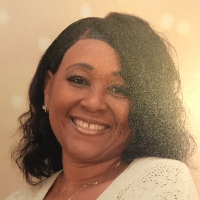
Oregon · 22 yrs exp
Mindful, practical therapy for life’s challenges
Stress, Anxiety · Addictions · Trauma and abuse · Depression · +10 more
Read profile
Oregon · 32 yrs exp
Collaborative counselor for practical change
Stress, Anxiety · Relationship · Self esteem · Depression · +4 more
Read profile
Oregon · 21 yrs exp
Experienced relationship-focused counselor
Relationship · Family · Intimacy-related issues · Parenting · +7 more
Read profile
Oregon · 5 yrs exp
Mindful, body-aware therapy for everyday life
Stress, Anxiety · Relationship · Grief · Self esteem · +10 more
Read profile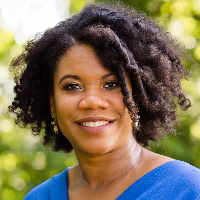
Oregon · 10 yrs exp
Compassionate, practical therapy for life transitions
Stress, Anxiety · Relationship · Grief · Depression · +14 more
Read profile
Oregon · 9 yrs exp
Compassionate, practical support for everyday challenges
Stress, Anxiety · Trauma and abuse · Grief · Self esteem · +10 more
Read profile
Oregon · 25 yrs exp
Mindful, practical therapy for everyday struggles
Stress, Anxiety · Trauma and abuse · Eating · Self esteem · +15 more
Read profile
Oregon · 10 yrs exp
Compassionate, practical therapy for life changes
Stress, Anxiety · Addictions · Trauma and abuse · Depression · +13 more
Read profile
Oregon · 11 yrs exp
Therapist focused on mindful change
Relationship · Family · Self esteem · Coping with life changes · +9 more
Read profile
Oregon · 20 yrs exp
Calm, practical therapy rooted in mindfulness
Stress, Anxiety · Relationship · Grief · Eating · +11 more
Read profile
Oregon · 10 yrs exp
Calm, practical therapy with mindfulness
Stress, Anxiety · Grief · Self esteem · Depression · +10 more
Read profile
Oregon · 12 yrs exp
Calm, practical therapy rooted in body awareness
Stress, Anxiety · Trauma and abuse · Grief · Self esteem · +11 more
Read profile
Oregon · 14 yrs exp
Guiding practical healing with clear tools and mindfulness
Stress, Anxiety · LGBT · Relationship · Anger · +10 more
Read profile
Oregon · 24 yrs exp
Calm guidance for life’s difficult moments
Stress, Anxiety · Relationship · Grief · Depression · +6 more
Read profile
Oregon · 22 yrs exp
Mindful, practical therapy for everyday challenges
Stress, Anxiety · Relationship · Family · Self esteem · +12 more
Read profileWhen therapists describe their work as mindfulness-informed or mindfulness-based, they are indicating that attention to present-moment experience often plays a role in sessions. In practical terms, that can mean a focus on noticing thoughts and feelings without judgment, practicing simple grounding techniques to come back to the body or breath, and using mindful awareness to explore patterns of thinking that affect mood or behavior. In many cases mindfulness elements are integrated into a broader talk therapy framework that also uses discussion, reflection and problem-solving. The presence of mindfulness approaches on a profile does not mean a therapist only uses mindfulness, nor does it indicate a formal certification in a specific program.
Keep in mind that mindfulness techniques vary in intensity and style. Some therapists may introduce brief noticing exercises within conversation, while others may offer more structured moment-to-moment practice in session. Because the label can be used in different ways, it is helpful to ask potential therapists how they describe mindfulness in their work and what a typical session using those approaches looks like.
The listed location on a profile groups therapists who are associated with Oregon in the directory, but it is important to confirm details directly. A listed location does not guarantee an in-person office in the same city, nor does it by itself confirm that a clinician has current permission to provide care in every part of Oregon. Before you rely on a profile, check the individual profile for any statements about where the therapist is authorized to practice and ask them directly to confirm they can work with you in your locality.
When you review credentials, distinguish academic degrees from licensing or registration status. Degrees such as PhD, PsyD, MD, MA or MSW describe educational attainment and training pathways. Licenses or registrations are the legal permissions required to practice independently in a state, and those are issued by state boards. A degree alone does not establish current permission to practice. If knowing a license is important to you, ask the clinician which license or registration they hold, in which state it is active, and how you can verify it with the appropriate licensing board.
When you reach out to a prospective therapist, plan a few concrete questions that will help you understand how they use mindfulness and whether their experience aligns with your needs. You might ask how they integrate mindfulness into therapy and whether they tend to use short in-session practices, guided attention exercises, or conversation-focused applications of mindful awareness. Ask about their experience working with issues similar to yours and how they describe progress for those concerns. If cultural background or identity factors matter to you, inquire about their experience working with people who share those aspects of identity and what culturally responsive adaptations they use.
It is reasonable to ask for examples of what a first session might cover and how they typically structure ongoing work. You can also ask what they consider their therapeutic style to be - for example whether they are more directive and skills-oriented, more reflective and exploratory, or a blend - because style influences how mindfulness is introduced. Remember that a therapist’s profile may note mindfulness among several approaches; asking for concrete examples of how that approach appears in practice will give you clearer information than labels alone.
If you are considering online sessions, it is important to cover practical and safety-related details before beginning. Confirm whether the therapist has permission to provide services to people living in your state or locality. Ask about the technology platforms they use and what steps are taken to protect your privacy during sessions, and inquire about what happens if a connection is lost during a session. Discuss how emergencies are handled and whether they can offer guidance or referrals in your area if urgent situations arise.
Also talk about scheduling norms and what to expect in terms of communication between sessions. While profiles can indicate therapeutic focus and languages, they do not capture every aspect of how a clinician works online. A conversation beforehand gives you a sense of rapport, clarifies boundaries around communication outside sessions, and helps you understand how mindful practices might be adapted for remote care. If you have specific accessibility needs, mention them so you can learn about accommodations and whether the therapist’s approach and platform meet those needs.
When you compare profiles in Oregon, pay attention to several practical dimensions that affect fit. Focus areas such as anxiety, depression, stress management, trauma-related distress or life transitions indicate the kinds of concerns a therapist highlights, but a listed focus area does not guarantee they treat every population within that domain. Look for language notes if you prefer therapy in a language other than English, and consider cultural competence statements or descriptions of experience working with diverse communities if those factors are important to you.
Examine academic degrees separately from licensure information. A listing of a PhD or MSW signals educational background and likely training focus, while licensure statements or references to state registration indicate whether a clinician has legal standing to practice. If a profile does not make licensure clear, ask the clinician which license they hold, where it is active, and how you can confirm it. Also consider therapeutic style descriptions because two clinicians who both use mindfulness may differ widely in tone and structure - one may emphasize practical skills and homework, while another centers on reflective inquiry and embodied awareness.
Finally, language about experience and populations served allows you to compare who might be more familiar with your situation. If you are looking for someone who uses mindfulness alongside other modalities, note which additional approaches are listed and ask how they are blended in practice. Because listing an approach does not prove a clinician has formal training in a particular mindfulness program, ask about their familiarity with specific practices and how often they include them in sessions. Use profile details as a starting point, and rely on direct conversation to confirm whether a therapist’s mix of focus areas, languages, credentials and therapeutic style feels like the right match for your needs.
As you move from reading profiles to reaching out, prepare a short summary of what you are seeking and a few questions tailored to the points above. Check each profile for statements about location and permissions, then confirm those details in conversation. Use your initial exchange to evaluate how the therapist talks about mindfulness in practice, how they describe their credentials and licensure, and whether you feel heard when you explain your concerns. Comparing profiles thoughtfully and asking specific questions will help you find a clinician whose approach and experience align with what matters most to you.
Anger
1277 therapists
Chronic Pain
512 therapists
Depression
1787 therapists
Grief
1513 therapists
Guilt and Shame
1427 therapists
Impulsivity
786 therapists
Isolation / Loneliness
1298 therapists
Panic Disorder and Panic Attacks
994 therapists
Self Esteem
1782 therapists
Sleeping Disorders
621 therapists
Social Anxiety and Phobia
1247 therapists
Stress & Anxiety
1930 therapists
Trauma and Abuse
1610 therapists