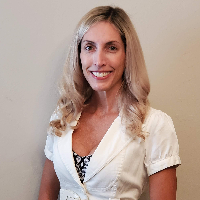
Ashleigh Beechy
LCPC, LIMHPOhio · 19 yrs exp
Experienced counselor using practical therapy methods
Stress, Anxiety · Relationship · Grief · Intimacy-related issues · +14 more
Read profileTherapist listings are provided by BetterHelp. We will earn a commission at no additional cost to you if you sign up through our links.
Browse profiles of therapists who list mindfulness among their approaches in Ohio to compare clinical focus, degrees, languages, and therapeutic style. Review each listed location and the individual profile to confirm a therapist's permission to work with you where you live, then contact profiles to learn more.
Ohio · 19 yrs exp
Experienced counselor using practical therapy methods
Stress, Anxiety · Relationship · Grief · Intimacy-related issues · +14 more
Read profile
Ohio · 6 yrs exp
Practical, skills-based therapy for trauma and anxiety
Stress, Anxiety · Trauma and abuse · Self esteem · Depression · +8 more
Read profile
Ohio · 18 yrs exp
Calm, practical therapy with mindfulness
Stress, Anxiety · Addictions · Anger · Bipolar · +13 more
Read profile
Ohio · 15 yrs exp
Experienced social worker focused on practical change
Trauma and abuse · Grief · Parenting · Anger · +11 more
Read profile
Ohio · 15 yrs exp
Mindfulness and practical coping skills
Stress, Anxiety · Addictions · Grief · Self esteem · +13 more
Read profile
Ohio · 20 yrs exp
Mindful, practical therapy for life transitions
Stress, Anxiety · Family · Grief · Depression · +5 more
Read profile
Ohio · 12 yrs exp
Mindful, practical therapy with a human touch
Stress, Anxiety · Addictions · Grief · Career · +11 more
Read profile
Ohio · 28 yrs exp
Mindfulness-grounded psychologist focused on practical change
LGBT · Family · Parenting · Coaching · +13 more
Read profile
Ohio · 20 yrs exp
Mindful, practical therapy for everyday struggles
Stress, Anxiety · Relationship · Self esteem · Coping with life changes · +10 more
Read profile
Ohio · 5 yrs exp
Calm, practical support for everyday struggles
Stress, Anxiety · Addictions · LGBT · Self esteem · +1 more
Read profileWhen you read that a therapist lists mindfulness among their approaches, it refers broadly to ways of bringing present-moment attention into psychotherapy. In practice this can mean spending time noticing physical sensations, paying attention to breath or posture as a way to anchor attention, and learning to observe thoughts and emotions without immediately reacting to them. You may be invited to practice short attention exercises during a session, to reflect on patterns of thinking, or to try grounding techniques that help you shift focus from intense emotion to the senses.
Mindfulness-informed therapy is not a single technique or a guaranteed solution. It is an emphasis within talk therapy that can complement cognitive, behavioral, psychodynamic, or other therapeutic orientations. Therapists who list mindfulness among their approaches may use it in different ways - sometimes as a gentle prompt to notice the present moment, sometimes as a paired skill alongside more directive interventions. It is appropriate to ask how mindfulness will be integrated into sessions and to discuss how these practices fit with any medical care or other treatments you are receiving.
The directory groups profiles under the listed location Ohio to help you find clinicians associated with that geography. A listed location does not, by itself, prove an office address, an active license, or that a clinician is permitted to provide services to you in your county. You should open each profile and confirm whether the clinician has permission to work where you live and whether they provide in-person or remote care for Ohio residents.
Degrees and licenses are different pieces of information. Academic degrees - such as PhD, PsyD, MD, MA, or MSW - show educational background. Professional licenses or registrations - for example a licensed professional counselor or a clinical social work license - indicate the credential that authorizes clinical practice in a jurisdiction. A degree alone does not establish current permission to practice; you can ask the clinician to explain both their degree and the license or registration that allows them to work with you in Ohio. Many profiles will state degrees and may reference licensing bodies; if a profile does not, you should request that information directly.
When you contact a clinician, having concrete questions will help you understand how their approach might match your needs. Ask how they define mindfulness in their practice, what a typical session might include, and whether they use short in-session exercises or recommend practices between appointments. You can ask about the kinds of concerns they most often address and whether they have experience working with issues similar to yours, without assuming that a listed approach means they treat a particular population.
It is also reasonable to ask about the balance between conversation and experiential practice, how they measure progress, and how they adapt mindfulness techniques for someone who finds attention practices challenging. If you are interested in specific modalities such as EMDR, acceptance-based work, or trauma-informed approaches, you can ask whether they list those among their approaches and how they might integrate them with mindfulness. Remember that a profile listing is not evidence of certification in a named program, so phrase questions to learn about experience rather than assume formal training.
Before beginning sessions, clarify logistical and practical details that affect care. Confirm whether the clinician has permission to work with you where you live in Ohio and whether they are offering in-person meetings, online sessions, or a mix. Ask about session length, how they handle cancellations or rescheduling, and what forms of communication they use for appointment setting. These operational elements help you decide whether the working arrangement fits your life.
It is also helpful to talk about boundaries and expectations for session content. Discuss how sensitive topics are handled, what supports are available between sessions if needed, and how the therapist approaches safety planning if distress increases. If you are taking medications or receiving other treatments, mention that so you can understand how therapy might be coordinated with your overall care. These conversations are practical ways to ensure the therapeutic relationship begins with clear mutual understanding.
Comparing profiles effectively means looking beyond a single label and reading the details each clinician provides. Focus areas on a profile can indicate the populations or problems a clinician tends to work with, but you should ask for specifics about their experience with your concerns. Language options are important if you prefer to work in a language other than English; profiles that list additional languages can make communication easier and more comfortable for you.
Pay attention to how clinicians describe their therapeutic style. Some may emphasize collaborative exploration and curiosity, while others may describe a more structured skills-based approach. Consider whether you prefer a steadier, planning-focused style or a reflective, exploratory style, and ask clinicians to describe how they engage clients who prefer different approaches. Check that the profile lists academic degrees and ask about the professional license that permits practice in Ohio. Finally, when comparing profiles, look for clarity about the therapist's scope - what they typically address and what they refer elsewhere - so you can choose someone whose focus aligns with your needs.
Choosing a clinician is a personal decision. Taking the time to read profiles, prepare specific questions, and confirm licensing and permission to work with you where you live will help you find a match that fits your expectations and practical requirements. Use the profiles listed for Ohio as a starting point to learn about different approaches and to reach out to clinicians to discuss how their mindfulness-informed work might fit with your goals.
Anger
1277 therapists
Chronic Pain
512 therapists
Depression
1787 therapists
Grief
1513 therapists
Guilt and Shame
1427 therapists
Impulsivity
786 therapists
Isolation / Loneliness
1298 therapists
Panic Disorder and Panic Attacks
994 therapists
Self Esteem
1782 therapists
Sleeping Disorders
621 therapists
Social Anxiety and Phobia
1247 therapists
Stress & Anxiety
1930 therapists
Trauma and Abuse
1610 therapists