
Rodney Black
LCSW, LISWIowa · 31 yrs exp
Seasoned LCSW offering practical mindful care
Addictions · LGBT · Trauma and abuse · Anger · +3 more
Read profileTherapist listings are provided by BetterHelp. We will earn a commission at no additional cost to you if you sign up through our links.
Compare profiles of practitioners who list mindfulness-based therapy among their clinical approaches, noting focus areas, academic degrees, licenses, languages, and practice styles in the listed location Iowa. Browse the profiles below to learn more and confirm on each profile whether the practitioner has permission to work with you where you live.
Iowa · 31 yrs exp
Seasoned LCSW offering practical mindful care
Addictions · LGBT · Trauma and abuse · Anger · +3 more
Read profile
Iowa · 10 yrs exp
Mindful, practical therapy for everyday struggles
Stress, Anxiety · Addictions · LGBT · Trauma and abuse · +10 more
Read profile
Iowa · 14 yrs exp
Mindfulness with clear, practical skills
Stress, Anxiety · Addictions · Trauma and abuse · Self esteem · +13 more
Read profile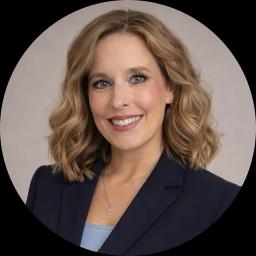
Iowa · 9 yrs exp
Warm, practical therapy focused on recovery and balance
Stress, Anxiety · Addictions · Relationship · Trauma and abuse · +15 more
Read profile
Iowa · 20 yrs exp
Compassionate, practical therapy focused on daily life
Stress, Anxiety · Parenting · Anger · Self esteem · +8 more
Read profileMindfulness-informed talk therapy often blends traditional therapeutic conversation with exercises that support paying attention to the present moment. In plain terms, this can mean practices that help you notice thoughts and feelings as they arise without immediately reacting, simple grounding techniques to anchor attention in the body or breath, and short exercises that cultivate awareness of sensing and emotions. A practitioner might invite you to slow your breathing briefly at the start of a session, to notice physical sensations during a discussion of a difficult memory, or to practice a short attention exercise between sessions and then reflect on how it felt.
These activities are options to discuss with a practitioner rather than universal elements of care. Listing mindfulness among a clinician's approaches is not evidence of formal mindfulness training or certification, such as participation in specific programs like MBSR or MBCT. If formal training or long-term experience in mindfulness practice matters to you, ask the practitioner directly about that background and for examples of how they integrate mindful attention into their work.
The fact that a profile appears under the listed location Iowa groups practitioners who indicate an association with the state for the directory. That grouping does not by itself confirm an office address, physical proximity, or legal permission to practice with every resident. You should check each profile carefully and confirm whether the practitioner has permission to work with you where you live. This is particularly important if you plan to receive care across state lines or expect care regulated by a specific state licensing board.
Academic degrees and professional licenses are not the same thing. Degrees such as PhD, PsyD, MD, MA, or MSW indicate completed academic programs and areas of study. Professional licenses or registrations indicate that a practitioner has qualified under a state board or regulatory body to provide certain types of care. A degree alone does not prove current permission to practice. When reviewing a profile, look for clear statements about the practitioner's current professional license or registration and ask them to confirm the scope of practice that applies in your situation.
When you review profiles or contact a practitioner, specific questions will help you understand how mindfulness might be used in sessions and whether it fits your needs. You might ask how the practitioner describes their use of mindfulness in everyday terms and request examples of what a typical session feels like. Ask whether they emphasize breath-based attention, body-awareness practices, reflective noticing of thoughts and feelings, or other approaches, and how they adapt those options for someone with your concerns.
It is reasonable to inquire about the practitioner's experience with populations similar to yours, the kinds of issues they commonly work with, and how they decide when mindfulness practices are helpful versus when a different focus is appropriate. You can ask how they handle situations of increased distress during an exercise and what support they offer if a practice raises strong emotions. These questions will give you a clearer sense of whether their style and safeguards match what you expect.
If you plan to connect remotely, there are important practical and clinical topics to address before beginning. Confirm whether the practitioner is permitted to provide care to people in your state and explain your location so there is no ambiguity about legal permission to work together where you live. Discuss how the practitioner manages scheduling, communication outside sessions, and what forms of technology they use so you know what to expect on a practical level.
Talk about how personal information and notes are handled and whether the platform or method used complies with applicable privacy regulations where you live. Ask about emergency procedures - for example, what steps they recommend if you are unable to reach them and need immediate help - and what local resources they might suggest in your area. Also ask about session structure, the typical balance of conversation and mindfulness practice, and how you can raise concerns if a particular exercise does not feel right for you.
Comparing profiles effectively means looking beyond a single phrase and considering several dimensions together. Pay attention to the focus areas or presenting concerns listed, such as stress, anxiety, or life transitions, and consider whether those align with your priorities. Look at the academic degree to learn about training background, and then check the profile for statements about current professional licensure or registration to understand legal scope and accountability. Remember that a degree and a license provide different kinds of information about a practitioner's qualifications.
Language and cultural competency can be important practical considerations. If you prefer therapy in a particular language, look for profiles that state the languages the practitioner uses in sessions and ask about their experience working with cultural backgrounds like yours. Style matters too - some practitioners describe their approach as more directive and skills-focused, while others describe an exploratory, reflective stance. Consider sample questions such as: Which populations do you primarily work with? What is your approach to introducing mindfulness practices? How do you adapt practices for someone who is new to mindfulness or finds formal exercises difficult? These concrete comparisons will help you narrow profiles to a manageable number to contact.
In the end, profiles on this site are a starting point. Use them to form thoughtful questions, verify licensure and permission to practice in your location, and have a direct conversation with a practitioner about how they would approach your needs. That conversation is the clearest way to determine whether a practitioner's use of mindfulness-informed techniques, combined with their clinical style and credentials, aligns with what you are seeking.
Anger
1277 therapists
Chronic Pain
512 therapists
Depression
1787 therapists
Grief
1513 therapists
Guilt and Shame
1427 therapists
Impulsivity
786 therapists
Isolation / Loneliness
1298 therapists
Panic Disorder and Panic Attacks
994 therapists
Self Esteem
1782 therapists
Sleeping Disorders
621 therapists
Social Anxiety and Phobia
1247 therapists
Stress & Anxiety
1930 therapists
Trauma and Abuse
1610 therapists