
Kellie Foster
LMHC, LCMHCFlorida · 13 yrs exp
Mindful, collaborative therapy for daily life
Stress, Anxiety · Self esteem · Depression · Coping with life changes · +7 more
Read profileTherapist listings are provided by BetterHelp. We will earn a commission at no additional cost to you if you sign up through our links.
Browse profiles of clinicians who list mindfulness-based therapy in the listed location of Florida to compare focus areas, credentials, languages, and therapeutic style. Review each individual profile and confirm that the clinician has permission to work with you where you live before you contact them.
Florida · 13 yrs exp
Mindful, collaborative therapy for daily life
Stress, Anxiety · Self esteem · Depression · Coping with life changes · +7 more
Read profile
Florida · 24 yrs exp
Calm, practical support for life’s hard moments
Stress, Anxiety · Grief · Depression · Coping with life changes · +13 more
Read profile
Florida · 17 yrs exp
Compassionate, practical care for life transitions
Addictions · LGBT · Relationship · Family · +5 more
Read profile
Florida · 10 yrs exp
Compassionate, practical care for anxiety and trauma
Stress, Anxiety · Relationship · Trauma and abuse · Depression · +1 more
Read profile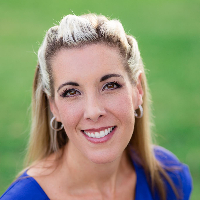
Florida · 15 yrs exp
Compassionate therapist for life transitions
Stress, Anxiety · Self esteem · Depression · Coping with life changes · +11 more
Read profile
Florida · 9 yrs exp
Mindfulness-focused counselor for life changes
Stress, Anxiety · Relationship · Parenting · Self esteem · +12 more
Read profile
Florida · 20 yrs exp
Mindfulness-informed counseling for everyday challenges
Stress, Anxiety · Relationship · Trauma and abuse · Intimacy-related issues · +13 more
Read profile
Florida · 11 yrs exp
Practical, mindful therapy for everyday challenges
Stress, Anxiety · Eating · Self esteem · Depression · +7 more
Read profile
Florida · 16 yrs exp
Mindfulness-rooted practical therapy
Stress, Anxiety · Addictions · Relationship · Anger · +8 more
Read profile
Florida · 24 yrs exp
Calm, practical therapy with mindfulness focus
Stress, Anxiety · Relationship · Trauma and abuse · Self esteem · +16 more
Read profile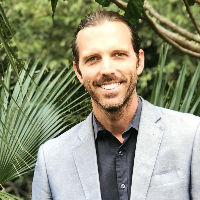
Florida · 9 yrs exp
Relationship-focused therapist helping restore connection
Relationship · Family · Trauma and abuse · Intimacy-related issues · +14 more
Read profile
Florida · 19 yrs exp
Mindfulness-focused counselor who centers client strengths
LGBT · Family · Trauma and abuse · Self esteem · +11 more
Read profile
Florida · 7 yrs exp
Compassionate counselor blending mindfulness and practical skills
Stress, Anxiety · Trauma and abuse · Self esteem · Depression · +12 more
Read profile
Florida · 14 yrs exp
Mindful, open minded counselor focused on goals
Stress, Anxiety · Addictions · Relationship · Family · +14 more
Read profile
Florida · 13 yrs exp
Mindful, practical therapy for life transitions
Stress, Anxiety · Grief · Self esteem · Depression · +9 more
Read profile
Florida · 8 yrs exp
Therapist who emphasizes practical growth
Stress, Anxiety · Trauma and abuse · Self esteem · Depression · +9 more
Read profile
Florida · 7 yrs exp
Compassionate counselor who uses mindfulness and practical skills
Stress, Anxiety · Trauma and abuse · Sleeping · Career · +10 more
Read profile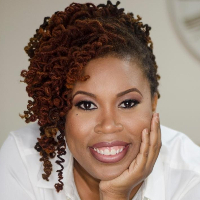
Florida · 7 yrs exp
Calm, practical therapy for everyday challenges
Stress, Anxiety · Relationship · Anger · Depression · +6 more
Read profile
Florida · 29 yrs exp
Practical therapy with mindful skills
Stress, Anxiety · Trauma and abuse · Grief · Career · +7 more
Read profile
Florida · 11 yrs exp
Practical therapy rooted in mindfulness and relationships
Stress, Anxiety · LGBT · Relationship · Family · +9 more
Read profile
Florida · 17 yrs exp
Gentle, practical therapy for everyday struggles
Addictions · Trauma and abuse · Anger · Bipolar · +14 more
Read profile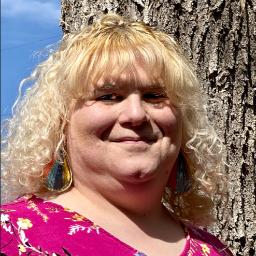
Florida · 10 yrs exp
Mindful, person-centered therapy support
Stress, Anxiety · Addictions · LGBT · Trauma and abuse · +14 more
Read profile
Florida · 10 yrs exp
Mindful, creative clinical social worker
Stress, Anxiety · Self esteem · Depression · Coping with life changes · +10 more
Read profile
Florida · 6 yrs exp
Mindfulness-focused counselor and practical therapist
Stress, Anxiety · Relationship · Intimacy-related issues · Parenting · +13 more
Read profileWhen you read a profile that lists Mindfulness Therapy among its approaches, it describes a way of working that often emphasizes present-moment attention and noticing your thoughts, feelings, and bodily sensations with less judgment. In practical terms you may be invited to practice simple attentional skills such as noticing the breath, bringing awareness to sensations that signal stress, or pausing to observe a thought without immediately reacting. Grounding techniques and gentle focus practices can help you bring attention back to the present when difficult emotions or memories arise. These elements are offered as options to explore in conversation with a clinician, not as promises of particular outcomes.
Mindfulness-informed therapy can be woven into many clinical approaches, including forms of cognitive and experiential talk therapy. Some clinicians emphasize short attention practices during sessions, while others integrate reflective inquiry about how awareness of inner experience relates to behavior outside of sessions. If certain practices feel unfamiliar, you can ask about how they are introduced and supported. The goal in discussing these elements is to find a match between the kinds of skills you want to learn and the clinician’s approach to integrating attention-based methods into therapeutic work.
On this site you will see profiles grouped under the listed location of Florida. That grouping reflects how a clinician has chosen to present their profile, and it does not necessarily prove an in-person office or an ongoing right to practice in every circumstance. You should check the individual profile details and confirm directly that the clinician has permission to work with you where you live. Licensing rules differ by state and by the format of care, so asking about the clinician’s current authorization to provide services to residents of Florida is an important step.
Academic degrees such as PhD, PsyD, MD, MA, and MSW describe educational achievement and are distinct from the professional licenses or registrations that grant legal permission to practice. A degree alone does not establish that a clinician currently holds an active license or registration. Profiles may include statements about clinical credentials, but the clearest way to verify a clinician’s standing is to ask them where they are licensed and, if relevant, whether they have the authority to work with you in your state. You can also ask how their degree and training inform their therapeutic approach so you understand the relationship between education and practice.
When you explore profiles, it helps to have specific questions ready so you can compare clinicians on meaningful points. You might ask how mindfulness is typically used in sessions - whether it is offered as guided practice, woven into conversation, or suggested as exercises between sessions. It is reasonable to inquire about the kinds of difficulties the clinician has experience working with and what that work tends to involve in practice. You can ask whether they adapt mindfulness practices for people with strong emotional reactions, trauma histories, or attention differences, and how they support pacing and safety during practices.
Other practical questions include asking how the clinician measures progress and what a typical early session focuses on for someone with needs similar to yours. If specific techniques appeal to you - such as short breathing exercises, body awareness, or mindful movement - you can ask how commonly those techniques are used and how they are taught. Asking open-ended questions about how the clinician tailors their approach to each person will give you a clearer sense of whether their style fits what you are seeking.
If you are planning to work remotely with a clinician who lists the Florida location, discuss logistics and boundaries before beginning. Clarify how sessions are conducted, what communication channels are used between appointments, and what to do if a technical problem interrupts a session. Talk about the clinician’s policies for cancellations and rescheduling so you understand expectations on both sides. Be sure to ask how time zones are handled if either of you travels across state lines or divides hours between locations.
It is also wise to address safety planning and emergency protocols. Since online care has limits in managing crises across distances, ask how the clinician would respond if you needed immediate assistance and whether they can connect you with local resources in Florida. Confirming that the clinician has permission to work with Florida residents and discussing how they maintain professional boundaries in virtual sessions will help you feel more informed as you decide whether to proceed. All of these topics are appropriate to raise up front and are part of informed decision making about beginning care.
Profiles provide different kinds of information that you can use to make comparisons. Focus areas tell you the kinds of concerns a clinician chooses to emphasize, such as stress, anxiety, mood challenges, or life transitions. Languages listed in a profile indicate the languages in which the clinician offers services, which can be crucial if you prefer or require work in a language other than English. When you look at credentials, note whether a profile lists educational degrees and whether it also indicates current licensure or registration; remember that a degree is not the same as a license to practice.
Therapeutic style is another important dimension to weigh. Some clinicians describe themselves as more directive and skills-focused, while others describe a reflective, exploratory approach that centers on listening and in-session experience. If you value structure and concrete practices, you might look for clinicians who describe a skills-based integration of mindfulness. If you prefer exploratory inquiry and longer reflective conversation, look for profiles that emphasize presence, curiosity, and in-depth exploration. You can use comparison questions to tease out these differences, asking each clinician how they would approach a typical early session for someone with needs like yours and how they decide which methods to use.
Choosing a clinician is a personal decision that benefits from careful comparison and direct conversation. Use the profiles under the Florida listed location to narrow your options, then reach out to ask the specific questions that matter to you. Confirm permission to work together in your area, clarify what mindfulness elements might look like in sessions, and discuss practical arrangements before you begin. That approach will help you find a clinician whose methods, credentials, and communication style align with your expectations and needs.
Anger
1277 therapists
Chronic Pain
512 therapists
Depression
1787 therapists
Grief
1513 therapists
Guilt and Shame
1427 therapists
Impulsivity
786 therapists
Isolation / Loneliness
1298 therapists
Panic Disorder and Panic Attacks
994 therapists
Self Esteem
1782 therapists
Sleeping Disorders
621 therapists
Social Anxiety and Phobia
1247 therapists
Stress & Anxiety
1930 therapists
Trauma and Abuse
1610 therapists