
Lisa Haughey
LPCGeorgia · 34 yrs exp
Mindful, practical counseling for real life
Stress, Anxiety · Addictions · Anger · Self esteem · +12 more
Read profileTherapist listings are provided by BetterHelp. We will earn a commission at no additional cost to you if you sign up through our links.
Browse profiles of clinicians who list Mindfulness Therapy among their approaches in the listed location of Georgia. Compare focus areas, degrees, languages, and therapeutic style, and click a profile to confirm permission to work together where you live.
Georgia · 34 yrs exp
Mindful, practical counseling for real life
Stress, Anxiety · Addictions · Anger · Self esteem · +12 more
Read profile
Georgia · 15 yrs exp
Practical, values-focused therapy for life transitions
Stress, Anxiety · Relationship · Family · Trauma and abuse · +12 more
Read profile
Georgia · 9 yrs exp
Mindful, skills-focused counseling for adults
Stress, Anxiety · Relationship · Trauma and abuse · Intimacy-related issues · +8 more
Read profile
Georgia · 9 yrs exp
Practical, skills-focused counseling for life challenges
Stress, Anxiety · Self esteem · Coping with life changes · Relationship · +6 more
Read profile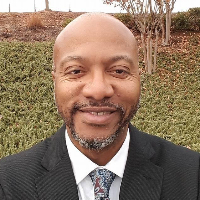
Georgia · 10 yrs exp
Compassionate social worker focused on mindful change
Stress, Anxiety · LGBT · Relationship · Self esteem · +9 more
Read profile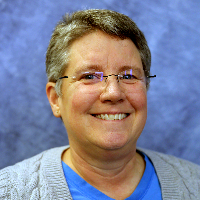
Georgia · 26 yrs exp
Compassionate therapist focusing on relationships and balance
Stress, Anxiety · Relationship · Family · Trauma and abuse · +15 more
Read profile
Georgia · 10 yrs exp
Practical, mindful therapy with a collaborative focus
Stress, Anxiety · Grief · Self esteem · Depression · +8 more
Read profile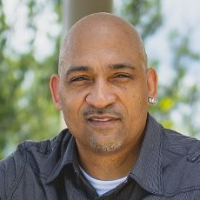
Georgia · 23 yrs exp
Calm, practical support for stressful times
Stress, Anxiety · Relationship · Trauma and abuse · Intimacy-related issues · +16 more
Read profile
Georgia · 5 yrs exp
Calm, practical support for life’s hard moments
Stress, Anxiety · Trauma and abuse · Self esteem · Depression · +8 more
Read profile
Georgia · 12 yrs exp
Practical, mindful counseling for adults
Stress, Anxiety · Relationship · Family · Grief · +11 more
Read profile
Georgia · 8 yrs exp
Compassionate LCSW focused on practical change
Stress, Anxiety · LGBT · Trauma and abuse · Parenting · +13 more
Read profile
Georgia · 11 yrs exp
Calm, practical therapy with a mindful approach
Stress, Anxiety · LGBT · Trauma and abuse · Bipolar · +11 more
Read profile
Georgia · 36 yrs exp
Relational therapist guiding practical change
Stress, Anxiety · Addictions · Relationship · Family · +13 more
Read profile
Georgia · 13 yrs exp
Direct, supportive therapy with practical skills
Stress, Anxiety · Addictions · Family · Trauma and abuse · +14 more
Read profile
Georgia · 6 yrs exp
Calm guidance for stress and addiction recovery
Stress, Anxiety · Addictions · Self esteem · Bipolar · +13 more
Read profile
Georgia · 10 yrs exp
Compassionate therapist focused on relationships
Relationship · Family · Trauma and abuse · Depression · +2 more
Read profile
Georgia · 13 yrs exp
Mindful therapist focused on practical change
Stress, Anxiety · Relationship · Trauma and abuse · Self esteem · +1 more
Read profile
Georgia · 10 yrs exp
Compassionate, practical therapy focused on mindfulness
Stress, Anxiety · Addictions · Self esteem · Depression · +15 more
Read profile
Georgia · 6 yrs exp
Mindful, steady support for life's changes
Stress, Anxiety · Grief · Self esteem · Coping with life changes · +1 more
Read profileWhen a clinician lists Mindfulness Therapy among their approaches, it typically means they bring attention to present-moment experience into conversational care. In plain terms you can expect moments of guided attention to bodily sensations, breath, or posture alongside exploration of thoughts and feelings. Your clinician may encourage noticing how thoughts arise without immediately acting on them, or use grounding practices to help you orient back to the here and now when distress increases. These elements are often woven into discussion about patterns, choices, and everyday reactions rather than replacing talk-based exploration.
It is important to understand that how mindfulness is used varies. Some clinicians emphasize brief mindfulness exercises to help with attention and emotion regulation, while others integrate longer formal practices alongside cognitive or relational work. Listing Mindfulness Therapy on a profile does not mean the clinician holds specific training or certification in a named program. Mindfulness techniques are tools you can discuss with a clinician to determine whether they fit your needs, and they are not a substitute for medical care or other professional advice.
Profiles grouped under the listed location Georgia identify the place associated with a clinician's profile, but this should not be taken as sole proof of an office, a physical proximity, or a current license. You should check each individual profile and confirm permission to work together where you live. A degree such as PhD, PsyD, MD, MA, or MSW indicates academic or clinical education, while a professional license or registration indicates permission to practice in a jurisdiction. Degrees and licenses are distinct things: a degree alone does not establish that someone currently holds legal permission to provide care in Georgia or any other location.
When you look at a profile, pay attention to how credentials are presented and whether the clinician notes licensure or registration status. Profiles may include language capabilities, clinical focus areas, and therapeutic style. Use that information to form questions you want to ask directly. Do not assume that a listed topic means the clinician treats specific populations; a listed topic does not establish that the therapist treats children, couples, or families. Always verify scope of practice and permission to provide services where you are located before you proceed.
Before you contact a clinician, think about concrete questions that will help you compare how they use mindfulness and how that aligns with your goals. Ask the clinician to describe how they incorporate mindfulness into sessions and whether they teach specific practices such as breath awareness, body scans, or informal attention practices that you can use between meetings. You can ask how they help clients bring mindful noticing to daily routines, or whether mindfulness is presented primarily as a way to observe thoughts and feelings while you work on behavioral or relational patterns.
It is reasonable to inquire about the clinician's experience with issues that matter to you, phrased in practical terms rather than as a demand for credentials. For example, you can ask how they typically approach anxiety, stress related to work or caregiving, sleep difficulties, or chronic pain when they integrate mindfulness with talk therapy. You might also ask whether they have experience working with your age group or cultural background. If certifications or specialized programs matter to you, ask whether the clinician has completed particular trainings, while remembering that a profile listing an approach is not itself proof of formal training. Asking clear, specific questions will help you decide which profiles to explore further.
If you are considering sessions over video or phone, raise practical and safety-oriented topics before you begin. Confirm whether the clinician has permission to provide care to someone in Georgia or in the place where you will be located during sessions. Ask about the clinician's emergency plan for your area, and what steps they recommend if you experience a crisis between meetings. Discuss the platforms or technologies they use and what steps are taken to protect your communications and records, as well as how to reach them if a connection drops.
You should also discuss session structure and expectations so you know how mindfulness will fit into ongoing work. Ask whether the clinician assigns practices between meetings and how they follow up on your experience with those practices. Clarify communication norms - how you can contact them, what response times look like for non-urgent messages, and how scheduling and cancellations are handled. If language access, cultural considerations, or disability accommodations are important to you, bring those up early so the clinician can explain how they attend to those needs in online work. These conversations help set clear boundaries and mutual understanding before you begin.
When you browse profiles in the listed location of Georgia, focus on a few core dimensions that matter to you and use them to compare clinicians in concrete terms. Look at stated focus areas to see whether a clinician highlights experience related to your concerns, and review language listings if you prefer sessions in a particular language. Pay attention to the academic degrees shown and note whether a license or registration is indicated separately; degrees such as PhD, PsyD, MD, MA, and MSW describe education, whereas licenses such as LCSW, LPC, or LMFT indicate legal permission to practice in a jurisdiction. If a profile names therapeutic approaches in addition to Mindfulness Therapy, remember that listing an approach is not evidence of formal training in that approach.
Style is another important factor. Some clinicians emphasize a gentle, exploratory pace while others take a more directive approach that includes exercises and homework. Think about whether you want a clinician who teaches mindfulness practices during sessions or one who primarily uses mindfulness as a way to frame conversations about personal patterns. Use concrete comparison questions such as: How do you typically introduce mindfulness to new clients? What kinds of practices do you offer between sessions? Which populations or life stages do you most often work with? What languages do you use in sessions? Has anything changed about your permission to practice in Georgia that I should be aware of?
After narrowing choices based on profile content and your comparison questions, reach out to the clinicians whose profiles feel like a match. Use the initial conversation to confirm permission to work together where you live and to get a sense of how their approach and style might fit your preferences. Taking time to compare profiles thoughtfully will help you make an informed next step in seeking mindfulness-informed care in Georgia.
Anger
1277 therapists
Chronic Pain
512 therapists
Depression
1787 therapists
Grief
1513 therapists
Guilt and Shame
1427 therapists
Impulsivity
786 therapists
Isolation / Loneliness
1298 therapists
Panic Disorder and Panic Attacks
994 therapists
Self Esteem
1782 therapists
Sleeping Disorders
621 therapists
Social Anxiety and Phobia
1247 therapists
Stress & Anxiety
1930 therapists
Trauma and Abuse
1610 therapists