
Henry "Jay" Swedlaw
LPCC, LCMHCTexas · 20 yrs exp
Experienced mindfulness-informed counselor
Stress, Anxiety · LGBT · Relationship · Self esteem · +16 more
Read profileTherapist listings are provided by BetterHelp. We will earn a commission at no additional cost to you if you sign up through our links.
This directory page groups profiles of therapists who list Trauma and Abuse as a focus and who also list mindfulness-based therapy among their approaches. Use the listings to compare focus areas, languages, credentials and listed location, then browse individual profiles to learn more.
Texas · 20 yrs exp
Experienced mindfulness-informed counselor
Stress, Anxiety · LGBT · Relationship · Self esteem · +16 more
Read profile
Colorado · 19 yrs exp
Experienced LCSW using practical mindfulness
Stress, Anxiety · Relationship · Trauma and abuse · Grief · +12 more
Read profile
California · 14 yrs exp
Mindful guidance for lasting change
Stress, Anxiety · Relationship · Family · Intimacy-related issues · +9 more
Read profile
Texas · 13 yrs exp
Mindfulness-based therapist with practical skills
Stress, Anxiety · Relationship · Trauma and abuse · Anger · +11 more
Read profile
Oregon · 17 yrs exp
Practical, strengths-focused counseling with a teaching approach
Stress, Anxiety · Anger · Self esteem · Career · +12 more
Read profile
Colorado · 15 yrs exp
Direct, goal-focused therapist
Stress, Anxiety · Relationship · Intimacy-related issues · Self esteem · +10 more
Read profile
Arizona · 6 yrs exp
Compassionate counseling with practical tools
Stress, Anxiety · Relationship · Family · Self esteem · +11 more
Read profile
Missouri · 16 yrs exp
Compassionate, practical therapy for everyday challenges
Stress, Anxiety · Trauma and abuse · Self esteem · Bipolar · +12 more
Read profile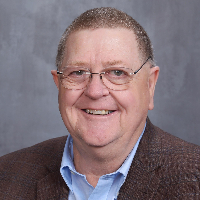
Colorado · 30 yrs exp
Mindful person-centered counseling
Stress, Anxiety · Relationship · Trauma and abuse · Depression · +15 more
Read profile
Colorado · 11 yrs exp
Compassionate counseling with mindfulness and skills
Stress, Anxiety · LGBT · Trauma and abuse · Anger · +15 more
Read profile
Texas · 21 yrs exp
Warm, practical support for life changes
Stress, Anxiety · Relationship · Trauma and abuse · Intimacy-related issues · +15 more
Read profile
California · 8 yrs exp
Mindfulness and practical skills for change
Stress, Anxiety · Addictions · Relationship · Self esteem · +15 more
Read profile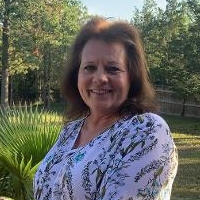
Texas · 18 yrs exp
Calm, practical support for life’s challenges
Stress, Anxiety · Addictions · Trauma and abuse · Depression · +9 more
Read profile
Utah · 6 yrs exp
Therapy for stress, trauma, and life changes
Stress, Anxiety · Trauma and abuse · Self esteem · Depression · +8 more
Read profile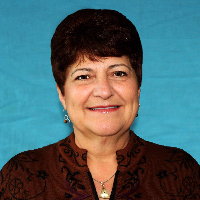
Alaska · 11 yrs exp
Mindfulness-centered, practical support for adults
Stress, Anxiety · Relationship · Family · Trauma and abuse · +9 more
Read profile
Missouri · 35 yrs exp
Experienced LCSW focusing on mindfulness and recovery
Stress, Anxiety · Trauma and abuse · Anger · Bipolar · +13 more
Read profile
California · 5 yrs exp
Mindful, collaborative therapy with practical tools
Stress, Anxiety · Relationship · Family · Depression · +13 more
Read profile
Wyoming · 14 yrs exp
Compassionate, practical therapy for life's hard moments
Addictions · Relationship · Depression · Coping with life changes · +11 more
Read profile
Texas · 6 yrs exp
Mindful, practical therapy for life changes
Addictions · Trauma and abuse · Parenting · Stress, Anxiety · +6 more
Read profile
Nevada · 25 yrs exp
Compassionate, practical support for life changes
Stress, Anxiety · Relationship · Family · Trauma and abuse · +1 more
Read profile
Montana · 10 yrs exp
Mindful, practical support for life changes
Stress, Anxiety · Trauma and abuse · Grief · Parenting · +9 more
Read profile
Montana · 23 yrs exp
Helpful, calm therapy for busy lives
Stress, Anxiety · Family · Trauma and abuse · Parenting · +12 more
Read profileIf you are exploring care after trauma or abuse, mindfulness-informed talk therapy is an option to discuss with a clinician. In plain terms, this typically means practices and conversations that help you bring steady attention to the present moment, notice thoughts and feelings without judgment, and use grounding strategies when distress becomes intense. A therapist may invite you to notice bodily sensations, track the flow of thought, or practice simple breathing or attention exercises as part of a larger therapeutic conversation. These practices are described as supportive tools that can help you manage overwhelming moments and increase awareness during sessions and daily life, not as a cure or a substitute for medical care.
On this site the presence of mindfulness in a profile indicates the clinician lists it among their approaches. That listing is not evidence of a formal certification or a specific training program. It is important to treat the term as a starting point for conversation so you can learn how a particular therapist integrates mindfulness into their work with trauma and abuse.
MindfulnessTherapyOnline.com highlights clinicians who include mindfulness approaches in their practice. This Trauma and Abuse page groups profiles that also list trauma and abuse as a focus area. That grouping helps you find clinicians who combine an interest in both areas, but it does not imply any necessary causal relationship between the two or that every clinician on this page uses the same combination of techniques. Some therapists may describe their work primarily as talk therapy with mindfulness-informed practices while others may emphasize other approaches and list mindfulness as one of several tools.
When you read a profile, look for language about the kinds of sessions the therapist offers, the populations they list, and whether they describe specific approaches such as exposure-based work, somatic interventions, or talk therapy that integrates attention practices. Profiles may also note other approaches a clinician uses; for example, therapists who list EMDR among their approaches will have included that term on their profile, but that listing alone does not establish training or certification in any single modality. Use the profile details as prompts for questions rather than as definitive endorsements of a particular method.
If you contact a clinician after browsing profiles, asking direct questions will give you clearer information than assumptions. You might ask how they typically describe mindfulness-informed work with trauma, and whether mindfulness practices are introduced gradually or used throughout sessions. Ask about their experience with trauma and abuse in terms you can understand - for instance, whether they have worked with similar kinds of traumatic experiences or with similar age groups. Concrete questions such as how they adapt practices when a person becomes overwhelmed, or what safety and pacing strategies they use, can give you useful insight into clinical style.
It is also appropriate to ask about the other approaches the clinician lists and how those approaches are woven together. You can say, “I see you list mindfulness and another approach; how do you combine them in sessions?” Many clinicians will describe their typical session structure, methods for teaching grounding skills, or ways they support emotion regulation. Remember to treat any stated approaches as options to discuss rather than guarantees of practice style or outcomes.
Before beginning remote care, bring up practical topics that affect how you will work together. Ask whether the clinician has permission to provide care to someone in your state or listed location, and confirm what forms of communication they use for sessions. Discuss technology preferences and what steps to take if a session is interrupted. It is also wise to ask about privacy practices, record keeping, and how the clinician manages emergent situations or crisis planning when you are not in the same physical area.
Talk about the clinician’s typical pace and expectations for work outside sessions, such as whether they offer guided practices, homework, or brief exercises to practice between meetings. If you have health concerns or are taking medication, bring those up so you can coordinate care with medical providers as appropriate. Clarify the populations the clinician works with, since a listed topic does not establish that they treat children, couples, or families unless that is explicitly stated in the profile.
When comparing profiles, focus on concrete markers that matter to you. Note the listed focus areas to see whether trauma and abuse are central to the clinician’s practice or one of several specialties. Look at the languages a clinician lists if you prefer care in a language other than English. Pay attention to the described client populations, such as adults, older adults, or specific community groups. These elements will help you narrow profiles to those that match your preferences.
Distinguish academic degrees from licenses or registrations. Degrees such as PhD, PsyD, MD, MA or MSW describe educational backgrounds. Licenses or registrations indicate authorization to practice and vary by jurisdiction. A degree alone does not establish current permission to practice; you should verify with the clinician whether their license is active and whether they are permitted to work with you in your listed location. If you see specific therapeutic approaches mentioned, such as mindfulness practices, somatic methods, or that a clinician lists EMDR among their approaches, ask how they incorporate those approaches into session work rather than assuming uniform application.
Finally, consider clinical style and fit. Some clinicians emphasize skills training and structured practices; others describe a conversational, exploratory approach that weaves mindfulness into talk therapy. Read profile language for clues about tone, pacing, and therapeutic philosophy, and use your introductory conversations to assess rapport. Deciding to reach out to a clinician is a personal choice and comparing profiles by focus areas, languages, credentials and described style can help you make a more informed decision about who to contact.
Alabama
5 therapists
Alaska
13 therapists
Arizona
136 therapists
Arkansas
6 therapists
California
577 therapists
Colorado
185 therapists
Connecticut
2 therapists
Florida
75 therapists
Georgia
22 therapists
Hawaii
37 therapists
Idaho
61 therapists
Illinois
14 therapists
Indiana
15 therapists
Iowa
5 therapists
Kansas
5 therapists
Kentucky
7 therapists
Louisiana
11 therapists
Maine
5 therapists
Maryland
9 therapists
Massachusetts
6 therapists
Michigan
23 therapists
Minnesota
8 therapists
Mississippi
7 therapists
Missouri
32 therapists
Montana
59 therapists
Nebraska
4 therapists
Nevada
49 therapists
New Jersey
12 therapists
New Mexico
56 therapists
New York
13 therapists
North Carolina
22 therapists
Ohio
11 therapists
Oklahoma
15 therapists
Oregon
75 therapists
Pennsylvania
9 therapists
Rhode Island
3 therapists
South Carolina
12 therapists
South Dakota
12 therapists
Tennessee
11 therapists
Texas
86 therapists
Utah
97 therapists
Vermont
1 therapist
Virginia
12 therapists
Washington
121 therapists
West Virginia
2 therapists
Wisconsin
14 therapists
Wyoming
33 therapists