
Henry "Jay" Swedlaw
LPCC, LCMHCTexas · 20 yrs exp
Experienced mindfulness-informed counselor
Stress, Anxiety · LGBT · Relationship · Self esteem · +16 more
Read profileTherapist listings are provided by BetterHelp. We will earn a commission at no additional cost to you if you sign up through our links.
This page groups profiles of clinicians who list mindfulness-based therapy alongside Panic Disorder or Panic Attacks as a focus. You can compare approaches, credentials, languages, and listed location as you review profiles.
Browse the listings to learn how different therapists describe their work and to decide which profiles you want to contact to learn more.
Texas · 20 yrs exp
Experienced mindfulness-informed counselor
Stress, Anxiety · LGBT · Relationship · Self esteem · +16 more
Read profile
Colorado · 19 yrs exp
Experienced LCSW using practical mindfulness
Stress, Anxiety · Relationship · Trauma and abuse · Grief · +12 more
Read profile
Texas · 13 yrs exp
Mindfulness-based therapist with practical skills
Stress, Anxiety · Relationship · Trauma and abuse · Anger · +11 more
Read profile
Colorado · 15 yrs exp
Direct, goal-focused therapist
Stress, Anxiety · Relationship · Intimacy-related issues · Self esteem · +10 more
Read profile
Missouri · 16 yrs exp
Compassionate, practical therapy for everyday challenges
Stress, Anxiety · Trauma and abuse · Self esteem · Bipolar · +12 more
Read profile
Colorado · 11 yrs exp
Compassionate counseling with mindfulness and skills
Stress, Anxiety · LGBT · Trauma and abuse · Anger · +15 more
Read profile
Texas · 21 yrs exp
Warm, practical support for life changes
Stress, Anxiety · Relationship · Trauma and abuse · Intimacy-related issues · +15 more
Read profile
California · 8 yrs exp
Mindfulness and practical skills for change
Stress, Anxiety · Addictions · Relationship · Self esteem · +15 more
Read profile
Montana · 16 yrs exp
Here to help you move forward
Stress, Anxiety · Relationship · Self esteem · Depression · +11 more
Read profile
Texas · 18 yrs exp
Calm, practical support for life’s challenges
Stress, Anxiety · Addictions · Trauma and abuse · Depression · +9 more
Read profile
Utah · 6 yrs exp
Therapy for stress, trauma, and life changes
Stress, Anxiety · Trauma and abuse · Self esteem · Depression · +8 more
Read profile
Michigan · 24 yrs exp
Guiding steady, practical steps toward daily calm
Stress, Anxiety · Addictions · Relationship · Family · +1 more
Read profile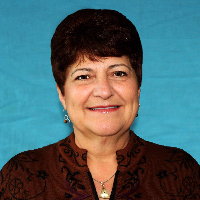
Alaska · 11 yrs exp
Mindfulness-centered, practical support for adults
Stress, Anxiety · Relationship · Family · Trauma and abuse · +9 more
Read profile
Florida · 13 yrs exp
Mindful, collaborative therapy for daily life
Stress, Anxiety · Self esteem · Depression · Coping with life changes · +7 more
Read profile
Missouri · 35 yrs exp
Experienced LCSW focusing on mindfulness and recovery
Stress, Anxiety · Trauma and abuse · Anger · Bipolar · +13 more
Read profile
California · 5 yrs exp
Mindful, collaborative therapy with practical tools
Stress, Anxiety · Relationship · Family · Depression · +13 more
Read profile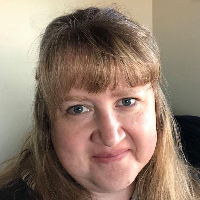
Montana · 10 yrs exp
Mindful, practical support for life changes
Stress, Anxiety · Trauma and abuse · Grief · Parenting · +9 more
Read profile
Montana · 23 yrs exp
Helpful, calm therapy for busy lives
Stress, Anxiety · Family · Trauma and abuse · Parenting · +12 more
Read profile
Colorado · 20 yrs exp
Compassionate practical therapy for everyday challenges
Stress, Anxiety · Anger · Self esteem · Depression · +10 more
Read profile
Colorado · 20 yrs exp
Calm, practical therapy for life changes
Stress, Anxiety · Addictions · Relationship · Family · +15 more
Read profile
Montana · 20 yrs exp
Mindful, practical therapy for ongoing life challenges
Stress, Anxiety · Addictions · Relationship · Family · +11 more
Read profile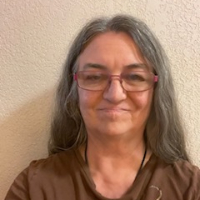
Arizona · 40 yrs exp
Experienced LCSW focused on mindful care
Stress, Anxiety · LGBT · Relationship · Grief · +10 more
Read profileIf you experience sudden waves of intense fear, a racing heart, breathlessness, dizziness, or a strong urge to escape, you may be trying to understand whether those episodes are panic attacks and whether they fit a diagnosis of Panic Disorder. Panic attacks are episodes marked by physical and emotional alarm that can come on quickly and feel overwhelming. Panic Disorder is commonly used to describe a pattern in which panic attacks recur and lead to ongoing concern about future attacks or changes in behavior to avoid them.
When you look for help, you are likely to want clear information about how a therapist understands these experiences - whether they frame them in behavioral, cognitive, physiological, or mindfulness-informed ways. It is reasonable to expect a therapist to explain their perspective in plain language, including what you might work on together and what they consider outside their scope. If you are taking medication or are under the care of a medical provider, it can be helpful to coordinate care, and you should discuss this coordination with any clinician you consider.
Mindfulness-informed talk therapy brings attention to present-moment experience so you can notice thoughts, physical sensations, and feelings without immediately reacting to them. In practice, this can mean pausing to observe how breath or body sensations change during an episode of anxiety, using grounding techniques to bring attention back to the present, and learning to recognize patterns of thought that amplify alarm. Grounding can be as simple as focusing on the contact of your feet with the floor or naming sensations in your body to create an anchor when anxiety rises.
Therapists may describe mindfulness as one of several approaches they draw on. That description does not, by itself, indicate formal instruction in a specific program or certification. If a therapist lists mindfulness among their clinical approaches, that is a starting point for conversation rather than a guarantee of a particular training pathway. You can ask how they integrate attention practices into talk therapy, how they adapt exercises for acute panic versus longer-term anxiety, and how they teach skills you can apply between sessions.
When you review profiles, plan to ask concrete questions that clarify how a therapist works with panic. You might ask whether they have experience working with people who have recurrent panic attacks and what kinds of strategies they typically use - for example, skill-building around breathing and grounding, exploring thought patterns that trigger alarm, or behavioral experiments to reduce avoidance. Ask whether they list mindfulness among their approaches and what that means in day-to-day sessions. You are entitled to know how much of the work is conversational exploration versus skills practice or structured exercises.
It is also important to verify credentials and permission to practice where you live. Profiles may list academic degrees such as PhD, PsyD, MD, MA, or MSW, and those degrees indicate educational background. A degree alone does not establish current licensure or the legal right to provide therapy in your state or country. Ask the clinician about their professional license, the jurisdiction that issued it, and whether they are authorized to work with you in your listed location. If you are receiving medical care, ask how the therapist approaches coordination with prescribers or primary care providers.
If you are considering remote sessions, discuss practical and safety topics before you begin. Ask how the clinician approaches moments when panic escalates during or between sessions, what steps they recommend if you are experiencing intense symptoms, and whether they have a plan for emergencies that fits your local resources. Clarify how sessions will be scheduled and how you will connect, and make sure you have a private space to meet so you can participate without interruptions.
Talk about what a usual session looks like for them when working on panic - whether they use guided attention exercises, breathing work, or in-session behavioral tasks - and how they help you transfer skills into daily life. If you have preferences about communication style - for example, a more directive teacher-like approach or a reflective conversational style - ask how they describe their therapeutic stance. Also discuss practical matters such as documentation, cancellation policies, and whether they can provide notes or summaries that you can share with other providers if you choose.
As you compare profiles, pay attention to several concrete features that help match a clinician to your needs. Look for whether Panic Disorder or Panic Attacks is listed specifically as a focus area, and note whether mindfulness-based therapy appears among the approaches. Profiles often state languages spoken, which can be important if you prefer to work in a language other than English. Profiles may also describe populations served, such as adults, older adults, or other groups; a listed topic does not by itself mean the clinician treats children, couples, or families, so ask directly if that is relevant to you.
When you see academic credentials on a profile, remember that degrees like PhD, PsyD, MD, MA, or MSW tell you about education but not the current license or legal permission to practice. Profiles may or may not display a licensing board or exact license type, so ask clinicians to confirm their license and the jurisdiction that issued it. You can also look for descriptions of therapy style and pace in profile text - whether they emphasize skill practice, psychotherapy-style exploration, or short-term problem solving - and pick profiles that describe a style that feels comfortable for you. Finally, if you rely on coordination with medication or other treatments, consider whether a profile mentions collaborative care or working alongside medical providers, and bring that topic into your initial conversation with any clinician you contact.
Choosing a therapist is a personal process that balances clinical focus, approach, communication style, and practical logistics. Use the profiles to narrow options by seeing who lists mindfulness-informed approaches and who lists Panic Disorder or Panic Attacks as a focus. Prepare specific questions based on the topics above so you can learn how each clinician describes their experience and methods. Always verify degrees and professional licensure, confirm permission to practice in your listed location, and discuss how the clinician handles higher-intensity moments before you begin work together.
Careful comparison of profiles and direct conversations with therapists will help you find someone whose approach, language, and practice align with your needs. Use the directory listings as a starting point and reach out to clinicians to learn more about how they might work with you on panic-related concerns.
Alabama
5 therapists
Alaska
13 therapists
Arizona
136 therapists
Arkansas
6 therapists
California
577 therapists
Colorado
185 therapists
Connecticut
2 therapists
Florida
75 therapists
Georgia
22 therapists
Hawaii
37 therapists
Idaho
61 therapists
Illinois
14 therapists
Indiana
15 therapists
Iowa
5 therapists
Kansas
5 therapists
Kentucky
7 therapists
Louisiana
11 therapists
Maine
5 therapists
Maryland
9 therapists
Massachusetts
6 therapists
Michigan
23 therapists
Minnesota
8 therapists
Mississippi
7 therapists
Missouri
32 therapists
Montana
59 therapists
Nebraska
4 therapists
Nevada
49 therapists
New Jersey
12 therapists
New Mexico
56 therapists
New York
13 therapists
North Carolina
22 therapists
Ohio
11 therapists
Oklahoma
15 therapists
Oregon
75 therapists
Pennsylvania
9 therapists
Rhode Island
3 therapists
South Carolina
12 therapists
South Dakota
12 therapists
Tennessee
11 therapists
Texas
86 therapists
Utah
97 therapists
Vermont
1 therapist
Virginia
12 therapists
Washington
121 therapists
West Virginia
2 therapists
Wisconsin
14 therapists
Wyoming
33 therapists