
Henry "Jay" Swedlaw
LPCC, LCMHCTexas · 20 yrs exp
Experienced mindfulness-informed counselor
Stress, Anxiety · LGBT · Relationship · Self esteem · +16 more
Read profileTherapist listings are provided by BetterHelp. We will earn a commission at no additional cost to you if you sign up through our links.
Explore profiles of clinicians who list Anger as a focus and include mindfulness-informed approaches among their clinical methods. Use the profile filters to compare listed location, languages, credentials, and therapeutic style before reaching out.
Texas · 20 yrs exp
Experienced mindfulness-informed counselor
Stress, Anxiety · LGBT · Relationship · Self esteem · +16 more
Read profile
Colorado · 19 yrs exp
Experienced LCSW using practical mindfulness
Stress, Anxiety · Relationship · Trauma and abuse · Grief · +12 more
Read profile
California · 14 yrs exp
Mindful guidance for lasting change
Stress, Anxiety · Relationship · Family · Intimacy-related issues · +9 more
Read profile
Texas · 13 yrs exp
Mindfulness-based therapist with practical skills
Stress, Anxiety · Relationship · Trauma and abuse · Anger · +11 more
Read profile
Oregon · 17 yrs exp
Practical, strengths-focused counseling with a teaching approach
Stress, Anxiety · Anger · Self esteem · Career · +12 more
Read profile
Colorado · 15 yrs exp
Direct, goal-focused therapist
Stress, Anxiety · Relationship · Intimacy-related issues · Self esteem · +10 more
Read profile
California · 12 yrs exp
Mindful, collaborative therapy for practical change
Stress, Anxiety · Family · Parenting · Self esteem · +8 more
Read profile
Arizona · 6 yrs exp
Compassionate counseling with practical tools
Stress, Anxiety · Relationship · Family · Self esteem · +11 more
Read profile
Missouri · 16 yrs exp
Compassionate, practical therapy for everyday challenges
Stress, Anxiety · Trauma and abuse · Self esteem · Bipolar · +12 more
Read profile
Colorado · 30 yrs exp
Mindful person-centered counseling
Stress, Anxiety · Relationship · Trauma and abuse · Depression · +15 more
Read profile
Colorado · 11 yrs exp
Compassionate counseling with mindfulness and skills
Stress, Anxiety · LGBT · Trauma and abuse · Anger · +15 more
Read profile
Texas · 21 yrs exp
Warm, practical support for life changes
Stress, Anxiety · Relationship · Trauma and abuse · Intimacy-related issues · +15 more
Read profile
California · 8 yrs exp
Mindfulness and practical skills for change
Stress, Anxiety · Addictions · Relationship · Self esteem · +15 more
Read profile
Montana · 16 yrs exp
Here to help you move forward
Stress, Anxiety · Relationship · Self esteem · Depression · +11 more
Read profile
Texas · 18 yrs exp
Calm, practical support for life’s challenges
Stress, Anxiety · Addictions · Trauma and abuse · Depression · +9 more
Read profile
Utah · 6 yrs exp
Therapy for stress, trauma, and life changes
Stress, Anxiety · Trauma and abuse · Self esteem · Depression · +8 more
Read profile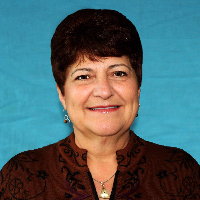
Alaska · 11 yrs exp
Mindfulness-centered, practical support for adults
Stress, Anxiety · Relationship · Family · Trauma and abuse · +9 more
Read profile
Missouri · 35 yrs exp
Experienced LCSW focusing on mindfulness and recovery
Stress, Anxiety · Trauma and abuse · Anger · Bipolar · +13 more
Read profile
California · 5 yrs exp
Mindful, collaborative therapy with practical tools
Stress, Anxiety · Relationship · Family · Depression · +13 more
Read profile
Wyoming · 14 yrs exp
Compassionate, practical therapy for life's hard moments
Addictions · Relationship · Depression · Coping with life changes · +11 more
Read profile
Montana · 23 yrs exp
Helpful, calm therapy for busy lives
Stress, Anxiety · Family · Trauma and abuse · Parenting · +12 more
Read profile
Texas · 11 yrs exp
Warm, practical counseling with mindfulness focus
Stress, Anxiety · Relationship · Family · Self esteem · +13 more
Read profileAnger is a common human response to frustration, perceived threat, or injustice, and it can show up in many ways - from brief irritability to intense bursts that affect relationships and daily functioning. When you search for help, you may be looking to understand triggers, reduce reactivity, communicate more clearly, or respond differently in high-stress moments. Whatever your reason, it helps to begin by clarifying what you want to change and how anger shows up for you in thoughts, sensations, behavior, and relationships.
As you review profiles, consider the kinds of situations that matter most to you. Some clinicians emphasize work-related stress or conflict, others focus on family patterns, trauma-related reactivity, or anger that follows loss. A listed topic on a profile signals that a clinician is willing to work on anger, but it does not indicate the exact methods they will use or whether they have specialized training for every population. You should plan to ask about the clinician's experience with concerns similar to yours and whether they work with the age group or relationship type relevant to your needs.
Mindfulness-informed talk therapy typically blends attentive awareness with traditional therapeutic conversation. In practice, that can mean spending time noticing bodily sensations that arise with anger, observing related thoughts and judgments without immediately acting on them, and using grounding strategies to regain a clearer perspective when feelings become intense. You may talk through recent episodes, identify patterns, and practice skills for shifting attention or tolerating strong feelings in the moment.
Different clinicians describe mindfulness in different ways. For some, it is practiced through short attention exercises integrated into sessions; for others, it is part of a broader cognitive or behavioral framework. Listing mindfulness among a clinician's approaches is not evidence that they completed a particular training program, and it is not a promise of outcomes. If formal programs such as MBSR or MBCT are important to you, ask the clinician whether they have experience with those curricula and what their personal approach to mindfulness practice is.
When you review a profile and consider reaching out, having specific questions can make conversations with a clinician more useful. You might ask how they conceptualize anger - whether they view it primarily as an emotional response, a learned pattern, or something linked to past experience - and how that view shapes their typical session. Ask what mindfulness-informed work looks like in their practice and whether it is combined with other approaches such as cognitive strategies, emotion regulation skills, or interpersonal work.
It is also reasonable to ask about the kinds of clients they have worked with who had issues like yours. You can ask for examples of the kinds of strategies they offer when anger is intense, how they support you in practicing skills between sessions, and how they measure progress in collaborative terms. Keep in mind that a clinician's profile listing an approach does not confirm formal certification in that modality. You may also want to inquire about their experience with cultural, identity-related, or contextual factors that affect how anger is expressed and addressed.
If you plan to work with a clinician online, discuss a few practical and safety-related items before scheduling sessions. Confirm that the clinician is licensed or registered and permitted to practice with clients in your listed location, since regulations vary across jurisdictions. Clarify what to do in an emergency or crisis, including whether they can coordinate with local resources and what alternative contacts they recommend if immediate help is needed.
Talk about the technology you will use and what to expect if a connection drops or you experience technical problems. Discuss session length, how to handle cancellations or rescheduling, and any preferences about how mindfulness practices are guided in a virtual setting. If you have particular needs for hearing, sight, or language access, raise those early so you can learn whether the clinician can accommodate them. These practical conversations help set expectations and let you judge whether the clinician's approach fits your communication style and needs.
When comparing profiles, look beyond a single phrase and read how clinicians describe their work. Note whether Anger is listed as a primary focus or an additional area, and pay attention to related focus areas on the profile that may matter to your situation - for example, trauma, relationship conflict, or workplace stress. Languages listed on a profile indicate the languages the clinician reports using professionally, which can be important for nuance and comfort in emotional conversations.
Academic degrees such as PhD, PsyD, MD, MA, or MSW reflect a clinician's educational background. These degrees are distinct from current licenses or registrations that grant permission to practice in a particular place. A degree alone does not guarantee that a clinician is licensed or authorized to work with you where you live, so confirm licensing details and that their listed location aligns with their practice permissions. Also consider therapy style as described on the profile - some clinicians emphasize practical skill-building and in-session exercises, while others prioritize reflective conversation and exploration of patterns. Reading short samples of their approach and asking how they tailor work to individual needs will help you identify clinicians whose style resonates with you.
Finally, remember that a profile represents what a clinician chooses to highlight. It is a starting point for a conversation rather than a definitive statement about outcomes or formal training. When you contact someone, use direct questions about how they integrate mindfulness, what experience they have with anger-related concerns similar to yours, and whether they are licensed to work in your listed location. These steps will help you make a clearer comparison and choose a clinician whose approach and scope align with your goals.
Alabama
5 therapists
Alaska
13 therapists
Arizona
136 therapists
Arkansas
6 therapists
California
577 therapists
Colorado
185 therapists
Connecticut
2 therapists
Florida
75 therapists
Georgia
22 therapists
Hawaii
37 therapists
Idaho
61 therapists
Illinois
14 therapists
Indiana
15 therapists
Iowa
5 therapists
Kansas
5 therapists
Kentucky
7 therapists
Louisiana
11 therapists
Maine
5 therapists
Maryland
9 therapists
Massachusetts
6 therapists
Michigan
23 therapists
Minnesota
8 therapists
Mississippi
7 therapists
Missouri
32 therapists
Montana
59 therapists
Nebraska
4 therapists
Nevada
49 therapists
New Jersey
12 therapists
New Mexico
56 therapists
New York
13 therapists
North Carolina
22 therapists
Ohio
11 therapists
Oklahoma
15 therapists
Oregon
75 therapists
Pennsylvania
9 therapists
Rhode Island
3 therapists
South Carolina
12 therapists
South Dakota
12 therapists
Tennessee
11 therapists
Texas
86 therapists
Utah
97 therapists
Vermont
1 therapist
Virginia
12 therapists
Washington
121 therapists
West Virginia
2 therapists
Wisconsin
14 therapists
Wyoming
33 therapists