
Henry "Jay" Swedlaw
LPCC, LCMHCTexas · 20 yrs exp
Experienced mindfulness-informed counselor
Stress, Anxiety · LGBT · Relationship · Self esteem · +16 more
Read profileTherapist listings are provided by BetterHelp. We will earn a commission at no additional cost to you if you sign up through our links.
This page groups profiles of clinicians who list Mindfulness Therapy among their approaches and who also indicate Stress & Anxiety as a focus. Use the profiles to compare listed location, therapeutic approaches, credentials, languages, and the populations each clinician describes.
Browse the profiles to learn how individual practitioners describe their approach and to find candidates you may wish to contact for more information.
Texas · 20 yrs exp
Experienced mindfulness-informed counselor
Stress, Anxiety · LGBT · Relationship · Self esteem · +16 more
Read profile
Colorado · 19 yrs exp
Experienced LCSW using practical mindfulness
Stress, Anxiety · Relationship · Trauma and abuse · Grief · +12 more
Read profile
California · 14 yrs exp
Mindful guidance for lasting change
Stress, Anxiety · Relationship · Family · Intimacy-related issues · +9 more
Read profile
Texas · 13 yrs exp
Mindfulness-based therapist with practical skills
Stress, Anxiety · Relationship · Trauma and abuse · Anger · +11 more
Read profile
Oregon · 17 yrs exp
Practical, strengths-focused counseling with a teaching approach
Stress, Anxiety · Anger · Self esteem · Career · +12 more
Read profile
Colorado · 15 yrs exp
Direct, goal-focused therapist
Stress, Anxiety · Relationship · Intimacy-related issues · Self esteem · +10 more
Read profile
California · 12 yrs exp
Mindful, collaborative therapy for practical change
Stress, Anxiety · Family · Parenting · Self esteem · +8 more
Read profile
Arizona · 6 yrs exp
Compassionate counseling with practical tools
Stress, Anxiety · Relationship · Family · Self esteem · +11 more
Read profile
Missouri · 16 yrs exp
Compassionate, practical therapy for everyday challenges
Stress, Anxiety · Trauma and abuse · Self esteem · Bipolar · +12 more
Read profile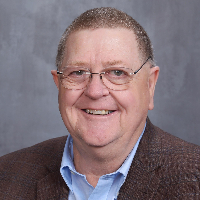
Colorado · 30 yrs exp
Mindful person-centered counseling
Stress, Anxiety · Relationship · Trauma and abuse · Depression · +15 more
Read profile
Colorado · 11 yrs exp
Compassionate counseling with mindfulness and skills
Stress, Anxiety · LGBT · Trauma and abuse · Anger · +15 more
Read profile
Texas · 21 yrs exp
Warm, practical support for life changes
Stress, Anxiety · Relationship · Trauma and abuse · Intimacy-related issues · +15 more
Read profile
California · 8 yrs exp
Mindfulness and practical skills for change
Stress, Anxiety · Addictions · Relationship · Self esteem · +15 more
Read profile
Montana · 16 yrs exp
Here to help you move forward
Stress, Anxiety · Relationship · Self esteem · Depression · +11 more
Read profile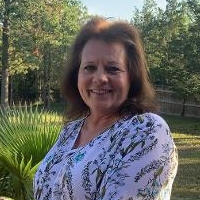
Texas · 18 yrs exp
Calm, practical support for life’s challenges
Stress, Anxiety · Addictions · Trauma and abuse · Depression · +9 more
Read profile
Utah · 6 yrs exp
Therapy for stress, trauma, and life changes
Stress, Anxiety · Trauma and abuse · Self esteem · Depression · +8 more
Read profile
Nevada · 6 yrs exp
Mindfulness-informed clinician for anxiety and depression
Stress, Anxiety · Depression
Read profile
Hawaii · 3 yrs exp
Therapist focused on practical, mindful change
Stress, Anxiety · Addictions · Relationship · Grief · +1 more
Read profile
Michigan · 24 yrs exp
Guiding steady, practical steps toward daily calm
Stress, Anxiety · Addictions · Relationship · Family · +1 more
Read profile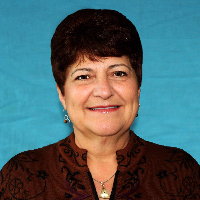
Alaska · 11 yrs exp
Mindfulness-centered, practical support for adults
Stress, Anxiety · Relationship · Family · Trauma and abuse · +9 more
Read profile
Florida · 13 yrs exp
Mindful, collaborative therapy for daily life
Stress, Anxiety · Self esteem · Depression · Coping with life changes · +7 more
Read profile
Missouri · 35 yrs exp
Experienced LCSW focusing on mindfulness and recovery
Stress, Anxiety · Trauma and abuse · Anger · Bipolar · +13 more
Read profile
California · 5 yrs exp
Mindful, collaborative therapy with practical tools
Stress, Anxiety · Relationship · Family · Depression · +13 more
Read profileIf you are exploring help for stress or anxiety, mindfulness-informed talk therapy is one option you may encounter when reviewing profiles. In plain terms, mindfulness-informed approaches in a talk therapy setting often emphasize paying attention to present-moment experience. That can mean noticing thoughts and feelings without immediately reacting, observing bodily sensations, and using simple grounding techniques to manage moments of high arousal. Therapists who list mindfulness among their approaches may weave these practices into conversations about patterns, relationships, daily routines, and coping strategies.
Mindfulness-informed work can be adapted to different needs and often integrates with other therapeutic ideas - for example, addressing unhelpful thinking patterns, building problem-solving skills, or practicing behavioral experiments. It is important to understand that a therapist listing mindfulness on a profile does not imply a specific certification in a standardized program. Mindfulness practices are options to discuss with a clinician as part of a collaborative plan that fits your circumstances. Mindfulness is not presented here as a replacement for medical care or emergency services; it is one set of approaches some practitioners offer alongside other supports.
This directory centers on therapists who list mindfulness-oriented approaches, and this specialty page brings together those who also indicate a focus on stress and anxiety. That alignment can help you find clinicians who describe an interest in combining conversational work with attention-based practices. When you review profiles, you will see descriptions of how each clinician frames stress and anxiety and what they emphasize in sessions. Some profiles highlight attention and awareness practices, others emphasize skills for grounding in the body, and still others describe an integrated approach that includes cognitive or behavioral techniques alongside mindfulness-informed strategies.
Because each profile is authored by the clinician, the way mindfulness is described will vary. You should treat a mention of mindfulness as a description of an approach the clinician may use, not as evidence of a specific credential. When thinking about how a given approach might fit your needs, consider your current symptoms, any medical or psychiatric care you are receiving, and whether you prefer practices that focus more on moment-to-moment awareness, symptom management, or cognitive restructuring. These are different emphases you can explore further with clinicians whose profiles interest you.
When you contact a clinician after reviewing a profile, having specific questions will help you get clearer answers. You might ask how they typically integrate mindfulness into a session - whether they begin with short attention exercises, encourage at-home practice, or focus mainly on noticing patterns in thinking and feeling. Ask about the types of stress or anxiety they describe working with, such as generalized worry, panic, social anxiety, or stress related to work or caregiving. Inquire about populations they mention on their profile to confirm whether they work with people in your life stage or context, and clarify whether a listed focus implies treatment for individual adults, couples, adolescents, or families.
Ask how they measure progress and what indicators they use to decide when goals are met or need adjustment. Request clarification about the clinician's academic degrees, such as PhD, PsyD, MD, MA, or MSW. Those titles indicate educational background but do not, by themselves, indicate current permission to practice. You should also ask about the clinician's professional licensure or registration and whether they are authorized to provide care in your state or country given the importance of jurisdictional rules for online work. Finally, ask whether the clinician commonly complements mindfulness with other approaches you might prefer, such as cognitive or behavioral techniques, and how they tailor work to individual needs.
If you are considering remote sessions, it is helpful to cover practical and safety-related topics in your initial conversation. Confirm the clinician's listed location and whether that location aligns with licensing requirements for working with you in your jurisdiction. Ask what steps they take for privacy protections in online sessions and what platforms they use to conduct video or phone meetings. Discuss time zones, expected session length, and how they handle rescheduling or missed sessions to establish a clear working rhythm.
Talk about plans for managing high-distress moments or emergencies. Because online care can cross geographic boundaries, clarify how the clinician would coordinate urgent supports in your area if needed. You should also discuss whether they ask clients to have a contact person or local resource list available during sessions. If you have concerns about using attention-based techniques in moments of intense distress, describe your history and ask how the clinician adapts grounding and noticing exercises when anxiety spikes. Having these conversations early helps you decide whether the clinician's approach and practice logistics fit your needs.
Profiles in this directory offer several data points to help you compare clinicians. Focus area language signals the clinician's stated interests, but those terms can vary in meaning from one profile to another. Look for descriptions that match the types of stress or anxiety you are experiencing and note whether the clinician describes working with similar life contexts, such as workplace stress, caregiving strain, or transitions. Language options listed on a profile can be essential if you prefer to work in a language other than English; reading a clinician's description in your preferred language can also give you a sense of their communication style.
Distinguish between academic degrees and licensure information on profiles. Academic degrees indicate formal education and specialization, while professional licenses or registrations indicate current permission to practice in a given jurisdiction. If a profile lists modalities such as mindfulness, dialectical techniques, cognitive approaches, or trauma-focused work, treat those as subjects to discuss rather than guarantees of a uniform method. You may also want to consider descriptive clues about therapeutic style - for example, whether the clinician emphasizes collaborative goal-setting, experiential practices, structured skills training, or reflective dialogue. Reading several profiles and noting which clinicians describe an approach and tone that resonates with you will help you narrow the field before reaching out with focused questions.
When you are ready to make initial contact, prepare the specific questions that matter most to you about approach, experience, licensure, and how mindfulness practices are used. Ultimately, a good match depends on how well a clinician's described focus, communication style, and logistical arrangements align with your needs and preferences. Use the profiles on this page as a starting point to identify candidates to connect with, and verify licensure and permission to work in your location as part of your decision-making process.
Alabama
5 therapists
Alaska
13 therapists
Arizona
136 therapists
Arkansas
6 therapists
California
577 therapists
Colorado
185 therapists
Connecticut
2 therapists
Florida
75 therapists
Georgia
22 therapists
Hawaii
37 therapists
Idaho
61 therapists
Illinois
14 therapists
Indiana
15 therapists
Iowa
5 therapists
Kansas
5 therapists
Kentucky
7 therapists
Louisiana
11 therapists
Maine
5 therapists
Maryland
9 therapists
Massachusetts
6 therapists
Michigan
23 therapists
Minnesota
8 therapists
Mississippi
7 therapists
Missouri
32 therapists
Montana
59 therapists
Nebraska
4 therapists
Nevada
49 therapists
New Jersey
12 therapists
New Mexico
56 therapists
New York
13 therapists
North Carolina
22 therapists
Ohio
11 therapists
Oklahoma
15 therapists
Oregon
75 therapists
Pennsylvania
9 therapists
Rhode Island
3 therapists
South Carolina
12 therapists
South Dakota
12 therapists
Tennessee
11 therapists
Texas
86 therapists
Utah
97 therapists
Vermont
1 therapist
Virginia
12 therapists
Washington
121 therapists
West Virginia
2 therapists
Wisconsin
14 therapists
Wyoming
33 therapists