
Henry "Jay" Swedlaw
LPCC, LCMHCTexas · 20 yrs exp
Experienced mindfulness-informed counselor
Stress, Anxiety · LGBT · Relationship · Self esteem · +16 more
Read profileTherapist listings are provided by BetterHelp. We will earn a commission at no additional cost to you if you sign up through our links.
Browse profiles of clinicians who list mindfulness-informed approaches alongside Self Esteem as a focus. Use the listings to compare approach, credentials, languages, and listed location as you decide who to contact.
Look through profiles to find practitioners whose descriptions and experience match what you want to address, then reach out to ask the questions that matter to you.
Texas · 20 yrs exp
Experienced mindfulness-informed counselor
Stress, Anxiety · LGBT · Relationship · Self esteem · +16 more
Read profile
Colorado · 19 yrs exp
Experienced LCSW using practical mindfulness
Stress, Anxiety · Relationship · Trauma and abuse · Grief · +12 more
Read profile
California · 14 yrs exp
Mindful guidance for lasting change
Stress, Anxiety · Relationship · Family · Intimacy-related issues · +9 more
Read profile
Texas · 13 yrs exp
Mindfulness-based therapist with practical skills
Stress, Anxiety · Relationship · Trauma and abuse · Anger · +11 more
Read profile
Oregon · 17 yrs exp
Practical, strengths-focused counseling with a teaching approach
Stress, Anxiety · Anger · Self esteem · Career · +12 more
Read profile
Colorado · 15 yrs exp
Direct, goal-focused therapist
Stress, Anxiety · Relationship · Intimacy-related issues · Self esteem · +10 more
Read profile
California · 12 yrs exp
Mindful, collaborative therapy for practical change
Stress, Anxiety · Family · Parenting · Self esteem · +8 more
Read profile
Arizona · 6 yrs exp
Compassionate counseling with practical tools
Stress, Anxiety · Relationship · Family · Self esteem · +11 more
Read profile
Missouri · 16 yrs exp
Compassionate, practical therapy for everyday challenges
Stress, Anxiety · Trauma and abuse · Self esteem · Bipolar · +12 more
Read profile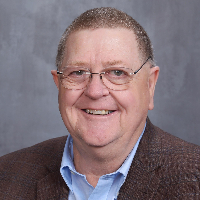
Colorado · 30 yrs exp
Mindful person-centered counseling
Stress, Anxiety · Relationship · Trauma and abuse · Depression · +15 more
Read profile
Colorado · 11 yrs exp
Compassionate counseling with mindfulness and skills
Stress, Anxiety · LGBT · Trauma and abuse · Anger · +15 more
Read profile
Texas · 21 yrs exp
Warm, practical support for life changes
Stress, Anxiety · Relationship · Trauma and abuse · Intimacy-related issues · +15 more
Read profile
California · 8 yrs exp
Mindfulness and practical skills for change
Stress, Anxiety · Addictions · Relationship · Self esteem · +15 more
Read profile
Montana · 16 yrs exp
Here to help you move forward
Stress, Anxiety · Relationship · Self esteem · Depression · +11 more
Read profile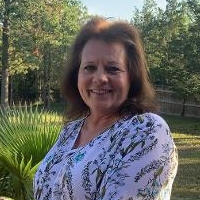
Texas · 18 yrs exp
Calm, practical support for life’s challenges
Stress, Anxiety · Addictions · Trauma and abuse · Depression · +9 more
Read profile
Utah · 6 yrs exp
Therapy for stress, trauma, and life changes
Stress, Anxiety · Trauma and abuse · Self esteem · Depression · +8 more
Read profile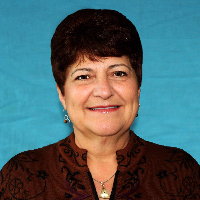
Alaska · 11 yrs exp
Mindfulness-centered, practical support for adults
Stress, Anxiety · Relationship · Family · Trauma and abuse · +9 more
Read profile
Florida · 13 yrs exp
Mindful, collaborative therapy for daily life
Stress, Anxiety · Self esteem · Depression · Coping with life changes · +7 more
Read profile
Missouri · 35 yrs exp
Experienced LCSW focusing on mindfulness and recovery
Stress, Anxiety · Trauma and abuse · Anger · Bipolar · +13 more
Read profile
California · 5 yrs exp
Mindful, collaborative therapy with practical tools
Stress, Anxiety · Relationship · Family · Depression · +13 more
Read profile
Wyoming · 14 yrs exp
Compassionate, practical therapy for life's hard moments
Addictions · Relationship · Depression · Coping with life changes · +11 more
Read profile
Texas · 6 yrs exp
Mindful, practical therapy for life changes
Addictions · Trauma and abuse · Parenting · Stress, Anxiety · +6 more
Read profileSelf esteem shapes how you view yourself, your sense of worth, and the way you respond to success, criticism, and relationships. When self doubt, harsh self-judgment, or a persistent sense of not measuring up start to interfere with daily life, people often look for conversational support to explore the patterns that maintain those feelings. You may come with concerns about negative self-talk, difficulty accepting compliments, social anxiety tied to self-evaluation, or a cycle of comparison that leaves you feeling depleted.
Mindfulness-informed talk therapy is one option people consider because it emphasizes noticing moment-to-moment experience. In practical terms, that can mean learning to pay attention to thoughts and feelings with curiosity, practicing grounding strategies to reorient in stressful moments, and building awareness of the internal narratives that shape your self-image. Mindfulness-informed approaches are described by some therapists as one element of a broader therapeutic practice. This page groups clinicians who list mindfulness among their approaches and who also note Self Esteem as a focus area, so you can see how practitioners describe their work and what they emphasize in profiles.
Mindfulness-informed therapy, as listed in profiles here, often refers to an emphasis on present-moment awareness, nonjudgmental observation of thoughts, and practices that encourage grounding in the body. Those elements can intersect with work on self esteem because noticing automatic critical thoughts and learning different ways to relate to them is a common therapeutic aim. However, a listing of mindfulness in a profile is not evidence of formal mindfulness training or certification (e.g. MBSR or MBCT), and it does not guarantee that any particular therapist uses the same techniques.
On this directory you will find profiles where clinicians mention mindfulness alongside other approaches. Some may describe using attention-focused practices to help you interrupt repetitive negative thinking, while others may emphasize inquiry into core beliefs or integration with cognitive or emotion-focused interventions. When you read a profile, consider descriptions of how the therapist explains their work and whether they reference practices like noticing thoughts, grounding, or cultivating self-compassion. Use that language to decide who you want to learn more from, remembering that the presence of the word mindfulness is an indicator of interest, not a certification.
When you contact someone after reviewing their profile, prepare specific questions so you can learn how they might work with your concerns. Ask how they define mindfulness-informed therapy and how they typically integrate that focus into sessions for self esteem work. You can ask for examples of practices they use in conversation - for instance, how they might guide you to notice a critical thought, or how they help people develop grounding skills in moments of self-doubt. Requesting a description of a typical session can clarify whether you will spend more time in reflective dialogue, skills practice, or structured exercises.
Be direct about population and experience. Ask whether they have worked with concerns similar to yours and with people in situations like yours, such as those dealing with performance anxiety, relationship-related self criticism, or identity-related esteem issues. Clarify what their listed degree is - for example PhD, PsyD, MD, MA, or MSW - and whether that degree is accompanied by a current professional license or registration that permits practice in your state or country. A degree and a license are different things: degrees reflect academic training and licenses indicate legal permission to practice, so it is reasonable to ask both questions when you speak with a clinician.
If you plan to work remotely, there are practical topics to raise before beginning sessions. Ask in which jurisdictions the clinician has permission to work with clients and whether their listed location aligns with licensing rules for telehealth in your area. Discuss emergency planning - for example, what steps the clinician takes if you report being in immediate crisis and what local resources you should keep on hand. Clarify how they handle coordination with any other providers you see, such as primary care clinicians or prescribers, if that collaboration would be helpful for your needs.
It is also reasonable to talk about session structure, length, and what you should prepare for a first meeting. Ask how they adapt mindfulness-informed techniques for someone who is new to them or who finds formal meditation difficult. If you have language preferences, ask whether they offer sessions in the language you prefer or whether they work with interpreters. Finally, cover practical logistics such as technology needs, cancellation policies, and how records or notes are kept, so you have a clear sense of the working arrangement before you begin.
Profiles on this site provide descriptive information to help you weigh options. Read how each clinician frames their focus areas to see whether they mention Self Esteem in the context you recognize - for example, whether they connect it to relationships, work performance, identity, or mood. Look for the range of approaches listed and note whether mindfulness is presented alongside other modalities you value. Keep in mind that the presence of an approach in a profile indicates interest or experience, but not a particular credential for that approach.
Pay attention to credentials and what they mean. Degrees such as PhD, PsyD, MD, MA, and MSW signal levels of academic training, but they do not, by themselves, confirm legal permission to practice. Licensure, registration, or other professional permissions are the markers that indicate a clinician is authorized to provide care in specific locations. Use the listed location as a starting point for questions about where the therapist is permitted to work. Also compare language options and descriptions of therapeutic style - some clinicians describe a directive, skills-based approach while others emphasize exploratory dialogue and experiential practices - and choose profiles that align with how you like to engage in therapy.
When you find profiles that feel like a fit, reach out with the comparison questions that matter to you and listen for clear, straightforward answers about approach, experience, and formal permissions to practice. That conversation will give you a better sense of whether a particular clinician is someone you want to meet and whether their way of working aligns with your goals for addressing self esteem.
Alabama
5 therapists
Alaska
13 therapists
Arizona
136 therapists
Arkansas
6 therapists
California
577 therapists
Colorado
185 therapists
Connecticut
2 therapists
Florida
75 therapists
Georgia
22 therapists
Hawaii
37 therapists
Idaho
61 therapists
Illinois
14 therapists
Indiana
15 therapists
Iowa
5 therapists
Kansas
5 therapists
Kentucky
7 therapists
Louisiana
11 therapists
Maine
5 therapists
Maryland
9 therapists
Massachusetts
6 therapists
Michigan
23 therapists
Minnesota
8 therapists
Mississippi
7 therapists
Missouri
32 therapists
Montana
59 therapists
Nebraska
4 therapists
Nevada
49 therapists
New Jersey
12 therapists
New Mexico
56 therapists
New York
13 therapists
North Carolina
22 therapists
Ohio
11 therapists
Oklahoma
15 therapists
Oregon
75 therapists
Pennsylvania
9 therapists
Rhode Island
3 therapists
South Carolina
12 therapists
South Dakota
12 therapists
Tennessee
11 therapists
Texas
86 therapists
Utah
97 therapists
Vermont
1 therapist
Virginia
12 therapists
Washington
121 therapists
West Virginia
2 therapists
Wisconsin
14 therapists
Wyoming
33 therapists