
Kelley Sullivan
LCSWColorado · 19 yrs exp
Experienced LCSW using practical mindfulness
Stress, Anxiety · Relationship · Trauma and abuse · Grief · +12 more
Read profileTherapist listings are provided by BetterHelp. We will earn a commission at no additional cost to you if you sign up through our links.
This page groups therapist profiles that list mindfulness-informed approaches and a focus on chronic pain. Use listed location, focus areas, credentials and languages to compare profiles, then browse entries to learn more.
Colorado · 19 yrs exp
Experienced LCSW using practical mindfulness
Stress, Anxiety · Relationship · Trauma and abuse · Grief · +12 more
Read profile
Missouri · 16 yrs exp
Compassionate, practical therapy for everyday challenges
Stress, Anxiety · Trauma and abuse · Self esteem · Bipolar · +12 more
Read profile
Colorado · 11 yrs exp
Compassionate counseling with mindfulness and skills
Stress, Anxiety · LGBT · Trauma and abuse · Anger · +15 more
Read profile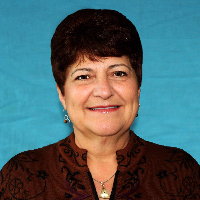
Alaska · 11 yrs exp
Mindfulness-centered, practical support for adults
Stress, Anxiety · Relationship · Family · Trauma and abuse · +9 more
Read profile
Florida · 13 yrs exp
Mindful, collaborative therapy for daily life
Stress, Anxiety · Self esteem · Depression · Coping with life changes · +7 more
Read profile
Montana · 23 yrs exp
Helpful, calm therapy for busy lives
Stress, Anxiety · Family · Trauma and abuse · Parenting · +12 more
Read profile
Texas · 15 yrs exp
Practical, mindful therapy for everyday challenges
Stress, Anxiety · Addictions · LGBT · Trauma and abuse · +11 more
Read profile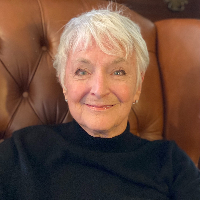
Arizona · 10 yrs exp
Compassionate guidance for life’s difficult transitions
Stress, Anxiety · Self esteem · Bipolar · Depression · +10 more
Read profile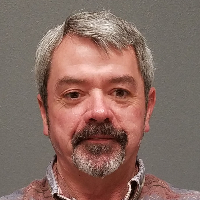
Wyoming · 26 yrs exp
Practical, experienced counseling with mindfulness focus
Stress, Anxiety · Trauma and abuse · Anger · Depression · +10 more
Read profile
New Mexico · 4 yrs exp
Compassionate social worker focused on practical change
Stress, Anxiety · Relationship · Trauma and abuse · Intimacy-related issues · +11 more
Read profile
Washington · 50 yrs exp
Mindfulness-informed counselor with wide clinical experience
Stress, Anxiety · Trauma and abuse · Intimacy-related issues · Self esteem · +15 more
Read profile
Montana · 10 yrs exp
Mindfulness-informed counselor focused on practical change
Stress, Anxiety · Trauma and abuse · Grief · Self esteem · +13 more
Read profile
Pennsylvania · 25 yrs exp
Compassionate LCSW blending mindfulness and skills
Stress, Anxiety · Addictions · LGBT · Self esteem · +14 more
Read profile
Arizona · 18 yrs exp
Experienced counselor focused on practical healing
Stress, Anxiety · Grief · Depression · Coping with life changes · +6 more
Read profile
California · 20 yrs exp
Mindfulness-centered therapist with practical tools
Stress, Anxiety · Addictions · Relationship · Trauma and abuse · +15 more
Read profile
Utah · 11 yrs exp
Calm, practical guidance for everyday challenges
Stress, Anxiety · Addictions · Relationship · Trauma and abuse · +16 more
Read profile
Colorado · 3 yrs exp
Compassionate, grounded social worker
Stress, Anxiety · Relationship · Family · Trauma and abuse · +14 more
Read profile
California · 30 yrs exp
Experienced therapist using mindfulness-informed care
Stress, Anxiety · Addictions · Relationship · Trauma and abuse · +11 more
Read profile
Utah · 23 yrs exp
Calm, practical counseling focused on everyday coping
Stress, Anxiety · Addictions · Family · Trauma and abuse · +12 more
Read profile
Colorado · 8 yrs exp
Calm guidance for everyday challenges
Stress, Anxiety · Relationship · Trauma and abuse · Grief · +16 more
Read profile
Arizona · 20 yrs exp
Mindful, practical counseling for life challenges
Stress, Anxiety · Trauma and abuse · Grief · Depression · +9 more
Read profileChronic pain is an experience that often includes ongoing physical sensations, changes in mood, interrupted sleep and shifts in daily activity. It is not the same for everyone, and you may find that pain affects your thinking, attention and stress levels in ways that are difficult to manage alone. Mindfulness-informed talk therapy refers to therapeutic work in which attention to the present moment, noticing thoughts and feelings, and grounding techniques are part of the clinical conversation. In practice, that can mean learning ways to bring focused attention to body sensations, observing thoughts without judgment, using breath or other grounding cues when distress rises, and developing greater awareness of reactions to pain. These are examples of strategies you might discuss with a clinician, not guarantees of any outcome.
It is important to view mindfulness-informed approaches as one set of tools among many. They are not a replacement for medical evaluation or treatment. If you are coordinating care with a physician, pain specialist or other provider, mention that to the therapist so you can discuss how talk therapy might fit into your broader plan. Also keep in mind that therapists who list mindfulness among their approaches may use it in different ways and to different extents; listing an approach is not evidence of formal mindfulness training or certification, and does not imply particular medical services.
This directory groups profiles of clinicians who list mindfulness-informed approaches and who also identify chronic pain as a specialty or focus area. That grouping is intended to help you find profiles that combine those two interests, not to suggest that every clinician holds the same qualifications or uses identical methods. Profiles reflect what each clinician lists about their practice - such as a listed location, stated focus areas, degrees and languages - and are a starting point for comparison.
Because a profile entry is a summary, it does not by itself demonstrate current permission to practice in any particular jurisdiction. Degrees such as PhD, PsyD, MD, MA and MSW indicate academic credentials, while professional permission to practice is granted by licenses, registrations or certification bodies that operate in each state or country. A degree alone does not establish whether a clinician is authorized to provide care in your location. You should confirm a clinician’s license and whether they are permitted to work with you in your state or region before beginning sessions.
When you contact a clinician, specific questions can help you understand how they integrate mindfulness-informed techniques into work with chronic pain. You might ask how they describe the role of present-moment attention in sessions, how they teach grounding or body-awareness practices, and how those practices are adapted when pain flares. Ask whether they typically pair mindfulness-informed work with other therapeutic approaches and about the kinds of strategies they might use when pain affects sleep, mood or daily functioning.
It is also reasonable to inquire about clinical experience. You can ask how long the clinician has worked with people managing chronic pain and whether they have experience with similar health conditions or with your age group. If a profile lists additional approaches - for example, therapists who list cognitive-behavioral techniques, acceptance-based strategies, body-focused methods or other modalities among their approaches - you can ask how those are combined with mindfulness-informed work. Avoid assuming that listing an approach means the clinician has formal certification in it; the profile reflects what they choose to list, not formal credentials in every method.
If you plan to work online, there are practical items to cover before your first session. Discuss whether the clinician is permitted to provide care in your state or country and confirm what their listed location represents. Talk about how they handle emergency situations and what they recommend if you need immediate medical attention. Ask about privacy practices for electronic communication and about how sessions are conducted - whether by video, phone or other means - so you can choose formats that accommodate pain-related needs, such as posture changes or the ability to pause when necessary.
You should also bring up accessibility and comfort during sessions. Some clinicians can adapt session length, suggest movement or positioning options, or include short breaks to help you manage symptoms. Discuss how you will communicate during a flare and whether sessions include instruction or practice of awareness and grounding techniques that you can use between appointments. Clarifying these logistics can help you decide whether a clinician’s approach fits how you prefer to work.
When you compare profiles on this page, look for the specifics that matter to you. Focus areas can show whether a clinician lists chronic pain alongside related concerns such as sleep issues, depression, anxiety or stress management. Languages spoken are often included on profiles and can be important if you prefer to work in a language other than English. Academic degrees are normally listed separately from professional licenses; note both items and ask the clinician to confirm current licensing and permission to practice in your location.
Clinical style is another important dimension to consider. Some clinicians describe a more directive approach, offering structured skills training and homework assignments, while others emphasize exploratory conversation and reflective inquiry. Profiles may give hints about these preferences, but a short conversation will clarify how they typically work. You may also notice clinicians who list other methods among their approaches - you can ask how those techniques are integrated with mindfulness-informed work. Remember that a listed topic does not establish that a clinician treats children, couples or families, so confirm the populations they serve.
Ultimately, profiles are a way to narrow your options and create a short list of clinicians to contact. By focusing on the fit between your needs and what clinicians list about their practice - from listed location and language to degrees, licenses and treatment style - you can prepare informed questions and begin a dialogue that helps you decide whether to move forward. Use the profiles here as a starting point, and verify credentials and permission to provide care in your area before you begin work together.
Alabama
5 therapists
Alaska
13 therapists
Arizona
136 therapists
Arkansas
6 therapists
California
577 therapists
Colorado
185 therapists
Connecticut
2 therapists
Florida
75 therapists
Georgia
22 therapists
Hawaii
37 therapists
Idaho
61 therapists
Illinois
14 therapists
Indiana
15 therapists
Iowa
5 therapists
Kansas
5 therapists
Kentucky
7 therapists
Louisiana
11 therapists
Maine
5 therapists
Maryland
9 therapists
Massachusetts
6 therapists
Michigan
23 therapists
Minnesota
8 therapists
Mississippi
7 therapists
Missouri
32 therapists
Montana
59 therapists
Nebraska
4 therapists
Nevada
49 therapists
New Jersey
12 therapists
New Mexico
56 therapists
New York
13 therapists
North Carolina
22 therapists
Ohio
11 therapists
Oklahoma
15 therapists
Oregon
75 therapists
Pennsylvania
9 therapists
Rhode Island
3 therapists
South Carolina
12 therapists
South Dakota
12 therapists
Tennessee
11 therapists
Texas
86 therapists
Utah
97 therapists
Vermont
1 therapist
Virginia
12 therapists
Washington
121 therapists
West Virginia
2 therapists
Wisconsin
14 therapists
Wyoming
33 therapists