Therapist listings are provided by BetterHelp. We will earn a commission at no additional cost to you if you sign up through our links.

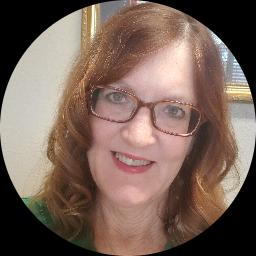
Sheryl Mahon

Sheryl Mahon

LPC, LPCC

Experienced counselor focused on practical healing

Areas of expertise

Also works with

Trauma and abuseSleeping disordersAnger managementSelf esteemBipolar disorder

Additional focus areas

AbandonmentAging and geriatric issuesAttachment issuesCancerCaregiver issues and stressChronic pain, illness, and disabilityCo-morbidityControl issuesCoping with natural or human-caused disasterDependent personalityFirst responder issuesForgivenessGuilt and shameHoardingHospice and end-of-life counselingImpulsivityIntellectual disabilityIsolation / lonelinessLife purposeMidlife crisisMood disordersObsessions, compulsions, and OCDPanic disorder and panic attacksParanoiaPersonality disordersPhobiasPost-traumatic stressSelf-harmSelf-loveSocial anxiety and phobiaWomen's issues

Therapeutic approaches

Attachment-Based TherapyClient-Centered TherapyCognitive Behavioral Therapy (CBT)Dialectical Behavior Therapy (DBT)Emotionally-Focused Therapy (EFT)Jungian TherapyMindfulness TherapyMotivational InterviewingNarrative TherapySolution-Focused TherapyTrauma-Focused Therapy

Experience

18+ years

Credentials

Texas, Arizona, California

Languages

English

Licenses listed

  • LPC, Texas62372
  • LPC, ArizonaLPC-22911
  • LPCC, California16568
  • NPI 1093484503

As listed on the therapist's profile. You can check a license with the state licensing board and an NPI in the national registry.

  • Mindfulness-based
  • Collaborative approach
  • Practical coping skills

About Sheryl

Sheryl Mahon is a licensed professional counselor with 18 years of clinical experience based in Arizona. She helps people facing grief, trauma, chronic illness, depression, stress, and major life changes. Her work focuses on practical steps people can use day to day to feel steadier and more able to cope.

Sheryl uses a mix of approaches and tailors the work to each person. She draws on Mindfulness Therapy to help people stay present and calm. She also uses Attachment-Based and Client-Centered methods to build trust and explore how relationships shape feelings. Cognitive Behavioral Therapy and Dialectical Behavior Therapy tools are used when clearer structure or coping skills are helpful.

Sessions emphasize partnership and clear goals. Sheryl explains options, practices skills together, and checks in on what is working. She aims for straightforward language and doable strategies rather than jargon or abstract theory.

Her background includes long experience with caregiver stress, end-of-life concerns, chronic pain and illness, and complicated grief. She also supports people dealing with anxiety, bipolar challenges, sleep disturbance, anger, and self-esteem issues.

Sheryl welcomes people who want an active, collaborative process. She works to help clients identify the changes they want and then tries different strategies until a good fit is found. Beginning clients are guided through clear next steps to get started.

How these approaches translate to online work

Mindfulness Therapy helps people practice paying attention to the present moment in ways that reduce rumination and anxiety. Online sessions can include guided breathing, body scans, and brief in-the-moment exercises to build calm and focus.

Attachment-Based Therapy looks at how relationships affect emotions and behavior. In teletherapy, this approach involves talking through relationship patterns, noticing triggers, and trying new ways of relating that feel safer and more connected.

Client-Centered Therapy focuses on listening, empathy, and helping people set their own goals. The online format provides a space to reflect, name priorities, and decide what changes to try next while the therapist offers support and feedback.

Finding the right approach is a collaborative process. The therapist will work with the client to identify goals, try different strategies, and adjust the plan based on what helps most. That means the approach can shift over time as needs and priorities change.

Confirm current session options before booking since formats are not specified here. Online therapy can make it easier to fit sessions into a busy life by removing travel time, allowing shorter check-ins when needed, and making it simpler to attend from a convenient location. It can also let people choose sessions that suit their comfort with video or audio and fit into work or caregiving schedules.

These summaries are based on the profile information listed on BetterHelp. Listing mindfulness as an approach does not mean a therapist holds a formal mindfulness training or certificate.

Frequently asked questions

What concerns does she help with?

Sheryl works with stress, anxiety, grief, depression, trauma, caregiver stress, chronic illness, sleep problems, anger, self-esteem issues, and bipolar disorder among other concerns.

How would you describe her therapy style?

Her style is collaborative and practical. She mixes mindfulness, attachment-based ideas, and skills-based methods to find what helps each person most.

How long has she practiced clinically?

She has 18 years of experience working in grief, trauma, caregiving stress, end-of-life issues, depression, life changes, and chronic illness.

What are her professional credentials and location?

She holds LPC and LPCC credentials and practices from Arizona.

Which languages are available for sessions?

Sessions are offered in English.

Can she work with international clients?

She does not accept international clients at this time.

How does payment and cost work?

Cost varies with location and therapist availability; sessions use a subscription that can be canceled at any time.

What are the first steps to begin therapy?

Start by selecting the Start Therapy button, complete a short matching questionnaire, and then schedule according to therapist availability.

Therapists on BetterHelp do not prescribe medication. A doctor can talk with you about medical options. If you are thinking about suicide, call or text 988; in an emergency, call 911.

Sheryl MahonContinue with Sheryl