
Kelley Sullivan
LCSWColorado · 19 yrs exp
Experienced LCSW using practical mindfulness
Stress, Anxiety · Relationship · Trauma and abuse · Grief · +12 more
Read profileTherapist listings are provided by BetterHelp. We will earn a commission at no additional cost to you if you sign up through our links.
You can compare profiles of therapists who list Mindfulness Therapy and Isolation / Loneliness as areas of focus, looking at approach, credentials, languages, and listed location. Browse profiles to find a clinician whose style and experience match what you want to explore.
Colorado · 19 yrs exp
Experienced LCSW using practical mindfulness
Stress, Anxiety · Relationship · Trauma and abuse · Grief · +12 more
Read profile
California · 14 yrs exp
Mindful guidance for lasting change
Stress, Anxiety · Relationship · Family · Intimacy-related issues · +9 more
Read profile
Texas · 13 yrs exp
Mindfulness-based therapist with practical skills
Stress, Anxiety · Relationship · Trauma and abuse · Anger · +11 more
Read profile
Arizona · 6 yrs exp
Compassionate counseling with practical tools
Stress, Anxiety · Relationship · Family · Self esteem · +11 more
Read profile
Missouri · 16 yrs exp
Compassionate, practical therapy for everyday challenges
Stress, Anxiety · Trauma and abuse · Self esteem · Bipolar · +12 more
Read profile
Colorado · 11 yrs exp
Compassionate counseling with mindfulness and skills
Stress, Anxiety · LGBT · Trauma and abuse · Anger · +15 more
Read profile
Texas · 21 yrs exp
Warm, practical support for life changes
Stress, Anxiety · Relationship · Trauma and abuse · Intimacy-related issues · +15 more
Read profile
California · 8 yrs exp
Mindfulness and practical skills for change
Stress, Anxiety · Addictions · Relationship · Self esteem · +15 more
Read profile
Montana · 16 yrs exp
Here to help you move forward
Stress, Anxiety · Relationship · Self esteem · Depression · +11 more
Read profile
Texas · 18 yrs exp
Calm, practical support for life’s challenges
Stress, Anxiety · Addictions · Trauma and abuse · Depression · +9 more
Read profile
Utah · 6 yrs exp
Therapy for stress, trauma, and life changes
Stress, Anxiety · Trauma and abuse · Self esteem · Depression · +8 more
Read profile
Hawaii · 3 yrs exp
Therapist focused on practical, mindful change
Stress, Anxiety · Addictions · Relationship · Grief · +1 more
Read profile
Michigan · 24 yrs exp
Guiding steady, practical steps toward daily calm
Stress, Anxiety · Addictions · Relationship · Family · +1 more
Read profile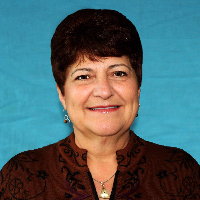
Alaska · 11 yrs exp
Mindfulness-centered, practical support for adults
Stress, Anxiety · Relationship · Family · Trauma and abuse · +9 more
Read profile
Florida · 13 yrs exp
Mindful, collaborative therapy for daily life
Stress, Anxiety · Self esteem · Depression · Coping with life changes · +7 more
Read profile
Missouri · 35 yrs exp
Experienced LCSW focusing on mindfulness and recovery
Stress, Anxiety · Trauma and abuse · Anger · Bipolar · +13 more
Read profile
California · 5 yrs exp
Mindful, collaborative therapy with practical tools
Stress, Anxiety · Relationship · Family · Depression · +13 more
Read profile
Wyoming · 14 yrs exp
Compassionate, practical therapy for life's hard moments
Addictions · Relationship · Depression · Coping with life changes · +11 more
Read profile
Texas · 6 yrs exp
Mindful, practical therapy for life changes
Addictions · Trauma and abuse · Parenting · Stress, Anxiety · +6 more
Read profile
Nevada · 25 yrs exp
Compassionate, practical support for life changes
Stress, Anxiety · Relationship · Family · Trauma and abuse · +1 more
Read profile
Montana · 23 yrs exp
Helpful, calm therapy for busy lives
Stress, Anxiety · Family · Trauma and abuse · Parenting · +12 more
Read profile
California · 22 yrs exp
Experienced LCSW focused on mindful care
Stress, Anxiety · Self esteem · Depression · Coping with life changes · +2 more
Read profileWhen you are feeling isolated or lonely, the experience often goes beyond being physically apart from others. You may notice recurring thoughts that emphasize separation, heightened sensitivity to perceived social slights, or a sense that people around you do not understand you. These are common human experiences and they can affect your mood, energy, motivation, and how you relate to daily tasks. Some people describe loneliness as a persistent undercurrent even when they are around others, while others feel isolation more acutely during times of life transition, grief, or when routines change. Recognizing how these patterns show up for you is a first step toward deciding what kind of support you want to look for in a therapist.
Mindfulness-informed talk therapy typically combines conversation about your life with practices that direct attention to present-moment experience. In plain terms, a therapist may guide you to notice thoughts and bodily sensations without immediately reacting to them, to attend to breathing or grounding cues, and to observe patterns of thinking that contribute to feeling cut off from others. These attention-based practices are presented as tools you can learn to use in everyday life, not as fixes or replacements for medical care. On this site you will find therapists who list Mindfulness Therapy among their clinical approaches; that listing indicates an interest in attention-oriented practices but is not evidence of a particular certification or formal training in a named program. When you explore profiles, consider how a clinician describes their use of mindfulness-informed methods and whether that aligns with your preferences for therapeutic style and tone.
As you review profiles, think about concrete questions that help you compare one clinician to another. You might ask how they integrate attention-based exercises into talk therapy and whether those practices are brief in-session exercises, homework, or woven through conversation. Ask about their experience working with adults who describe chronic loneliness or life changes that contribute to isolation, and how they measure progress in a collaborative way. It is important to verify a clinician's license and to confirm they have permission to practice in your state or region. Remember that academic degrees such as PhD, PsyD, MD, MA, or MSW indicate educational attainment, but a degree alone does not establish current professional licensing. Use direct questions about licensure and scope of practice to make sure a therapist's training and authorization match your needs and location.
If you are considering online or remote sessions, discuss practical and clinical details before beginning. Clarify the platforms or technologies the therapist uses and whether those platforms meet your expectations for ease of use and privacy protections. Talk about how to handle urgent moments - what steps the clinician recommends if you have intense distress between sessions and what local resources or emergency contacts apply in your listed location. Describe any sensory, cognitive, or accessibility needs you have so the clinician can explain how they would accommodate you. If you have ongoing medical conditions or are taking medication, discuss how therapy fits alongside those treatments and whether the clinician coordinates with other healthcare providers if that would be helpful to you. Clear conversations about expectations, boundaries, and communication norms help you decide whether a therapist's approach and logistics fit your circumstances.
When comparing profiles in the directory, pay attention to the combination of focus areas and the clinical approaches a therapist lists. A profile that pairs Isolation / Loneliness with other topics such as grief, life transitions, or social anxiety may indicate broader experience relevant to your concerns. Look at the languages the clinician lists if communicating in a particular language feels important to you, and notice how they describe their therapeutic tone - do they emphasize practical skills, reflective exploration, or a compassionate, paced conversation? Check for listed degrees and professional licenses, recognizing that degrees and licenses are different things: a degree signals training while a license indicates current permission to practice, so ask about both if you need clarification. Consider reaching out with a few specific questions before committing to a first session - for example, ask how they would approach initial sessions, what a typical session might involve when addressing loneliness, and whether they use brief attention practices in session or as optional tools you can try. Comparing concrete aspects of profiles - focus areas, approach descriptions, languages, and professional credentials - will help you make an informed choice about who to contact to learn more.
Exploring profiles on this directory is a step toward finding a clinician whose approach and experience match what you want to work on. As you browse, keep in mind that a listed clinical approach does not guarantee a specific training or outcome, and that it is reasonable to ask directly about the therapist's methods and permissions to work with you in your location. Taking time to reflect on your priorities - whether you want an emphasis on practical attention skills, open-ended emotional processing, or a mix - will make it easier to choose profiles to contact. When you reach out, clear questions and a brief description of what feels most pressing to you will help you get the information you need to decide on next steps.
Alabama
5 therapists
Alaska
13 therapists
Arizona
136 therapists
Arkansas
6 therapists
California
577 therapists
Colorado
185 therapists
Connecticut
2 therapists
Florida
75 therapists
Georgia
22 therapists
Hawaii
37 therapists
Idaho
61 therapists
Illinois
14 therapists
Indiana
15 therapists
Iowa
5 therapists
Kansas
5 therapists
Kentucky
7 therapists
Louisiana
11 therapists
Maine
5 therapists
Maryland
9 therapists
Massachusetts
6 therapists
Michigan
23 therapists
Minnesota
8 therapists
Mississippi
7 therapists
Missouri
32 therapists
Montana
59 therapists
Nebraska
4 therapists
Nevada
49 therapists
New Jersey
12 therapists
New Mexico
56 therapists
New York
13 therapists
North Carolina
22 therapists
Ohio
11 therapists
Oklahoma
15 therapists
Oregon
75 therapists
Pennsylvania
9 therapists
Rhode Island
3 therapists
South Carolina
12 therapists
South Dakota
12 therapists
Tennessee
11 therapists
Texas
86 therapists
Utah
97 therapists
Vermont
1 therapist
Virginia
12 therapists
Washington
121 therapists
West Virginia
2 therapists
Wisconsin
14 therapists
Wyoming
33 therapists