As listed on the therapist's profile. You can check a license with the state licensing board and an NPI in the national registry.
Anxiety and trauma
Mindfulness-based work
Practical coping skills
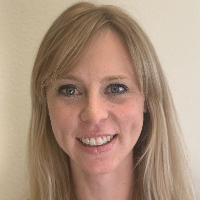
About Amy
Amy McKinney is a clinical psychologist with ten years of experience. She commonly helps people dealing with anxiety, trauma, grief, and stress. Amy aims to help people shift how they see themselves so they can feel more confident and calm in daily life.
She draws on mindfulness practices to help people stay grounded in the present. She also uses Acceptance and Commitment Therapy, cognitive behavioral techniques, and client-centered conversations to guide change. Sessions focus on practical steps that fit each person's life and goals.
Amy's earlier work included treating soldiers in the military, which shaped her approach to trauma and loss. That background informs how she supports people facing intense or complex experiences. She listens for what matters most and builds from there.
Therapy with Amy is collaborative. She helps people notice unhelpful thinking patterns and try new ways of responding. Small, steady changes are a common focus, such as improving sleep, managing anger, or coping with major life transitions.
If you choose to work with Amy, you will complete a short matching questionnaire to begin. She is licensed in Wyoming as WY Psychologist 607 and conducts sessions in English. To get started, use the Start Therapy button and schedule based on availability.
How these approaches guide online care
Amy uses Mindfulness Therapy to help people bring attention back to the present. Mindfulness exercises often focus on breath, bodily awareness, or brief grounding practices that reduce reactivity to stress. Acceptance and Commitment Therapy (ACT) is used to clarify values and build small actions that match those values, which can help with anxiety, depression, and life transitions.
Finding the right approach is part of the work. Amy collaborates with each person to see which methods fit their situation and goals. She may combine mindfulness, ACT, CBT techniques, and client-centered conversation to create a plan that feels manageable and relevant.
If you are considering online sessions, confirm the current session options before booking since formats are not specified here. Online work can make it easier to fit therapy into a busy week, reduce travel time, and allow shorter check-ins when needed. Some people like video for face-to-face interaction while others prefer audio-only for a quicker, lower-bandwidth check-in; discuss what will work best when you schedule. Licensed professionals can adapt the approaches above to remote sessions so practical skills and calming practices carry over into everyday life.
These summaries are based on the profile information listed on BetterHelp. Listing mindfulness as an approach does not mean a therapist holds a formal mindfulness training or certificate.
Frequently asked questions
What kinds of concerns can Amy help with?
Amy supports people with anxiety, stress, trauma and grief. She also addresses sleep problems, addictions, relationship and intimacy issues, self-esteem, parenting concerns, and mood disorders.
What is her therapeutic style like?
Her style is collaborative and down-to-earth. She blends mindfulness, acceptance strategies, and client-centered conversation with practical behavioral techniques.
How long has she been practicing?
She has ten years of clinical experience and began her career treating soldiers in the military, which influenced her approach to trauma and loss.
What credentials and where does she practice?
She is licensed as WY Psychologist 607 and practices in Wyoming.
Are sessions available in other languages?
Sessions are offered in English.
Can international clients work with her?
International clients are not currently accepted.
How are sessions priced?
Cost varies with location and therapist availability; sessions use a subscription that can be canceled at any time.
How do I begin working with her?
Start by selecting the Start Therapy button, completing a short matching questionnaire, and scheduling according to the therapist's availability.
Therapists on BetterHelp do not prescribe medication. A doctor can talk with you about medical options. If you are thinking about suicide, call or text 988; in an emergency, call 911.