AddictionsLGBTRelationship issuesFamily conflictsGriefAnger managementCareer difficultiesBipolar disorderCoping with life changesCoachingADHD
Additional focus areas
AbandonmentAdoption and foster careAging and geriatric issuesAttachment issuesAutism and Asperger SyndromeBlended family issuesCaregiver issues and stressCommitment issuesCommunication problemsControl issuesDisruptive Mood Dysregulation Disorder (DMDD)Divorce and separationEmptinessFamily of origin issuesFamily problemsFatherhood issuesForgivenessGuilt and shameImpulsivityIntellectual disabilityIsolation / lonelinessLife purposeMen's issuesMidlife crisisVeteran and Armed Forces IssuesMoney and financial issuesMood disordersMulticultural concernsObsessions, compulsions, and OCDPanic disorder and panic attacksParanoiaPersonality disordersPhobiasPost-traumatic stressSeasonal Affective Disorder (SAD)Self-harmSelf-loveSexual assault and abuseSocial anxiety and phobiaTraumatic brain injuryYoung adult issues
As listed on the therapist's profile. You can check a license with the state licensing board and an NPI in the national registry.
Mindfulness-informed
Goal-oriented
Person-centered care
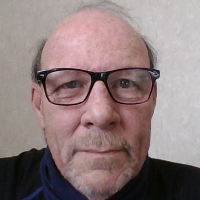
About Roderick
Roderick Foley is a Licensed Professional Counselor (LPC) based in Wyoming who helps people facing stress, anxiety, parenting struggles, grief, addiction, and mood concerns. He draws on 13 years as an LPC plus decades of experience in rehabilitation and program development. His style is direct and respectful, and he uses practical methods to help people make changes that matter in daily life.
He has a long history working with children, adolescents, and adults, and has written clinical curriculum for wilderness programs aimed at youth with substance issues. That work included intensive involvement with extended family. He has also run a multi-service rehabilitation center focused on dual diagnosis, developmental disability, and acquired brain injury earlier in his career.
In session he centers on person-centered care that emphasizes honesty, dignity, and respect. He mixes approaches such as cognitive behavioral tools, client-centered listening, and attachment ideas to match each person's needs. Sessions can include play-based techniques with children and tailored individual or group work for older clients.
He helped build his agency's telehealth work beginning in 2016 to reach rural and isolated areas. He sees telemedicine as a way to reduce travel and make therapy fit into busy lives. Roderick aims to be goal-directed while keeping a sense of humor in the room.
People who want straightforward guidance paired with practical skills often find this approach useful. He encourages prospective clients to consider what they want to change and brings concrete strategies to help reach those goals.
How this therapist uses evidence-based approaches online
Roderick uses Mindfulness Therapy to help people tune into present-moment experience and notice unhelpful patterns without judgment; this can be useful for anxiety, stress, and emotion regulation. He also uses Acceptance and Commitment Therapy (ACT) to help clients clarify values and take small, meaningful actions even when feelings are difficult. Attachment-Based Therapy informs work around early relationship patterns and how they affect current connections and behavior.
Finding the right approach is part of the work. He will collaborate with each person to choose methods that fit their goals, needs, and preferences. That means trying tools, checking what helps, and adjusting the plan together rather than prescribing a single fixed method.
If you are considering online sessions, confirm the current session options before booking so you know what formats are supported. Many people find online therapy helpful because it can reduce travel, make scheduling easier around work or caregiving, and allow shorter check-ins when a full in-person visit is hard to fit in. Roderick has experience developing telehealth services since 2016 and aims to make remote sessions practical for people in rural or isolated areas.
These summaries are based on the profile information listed on BetterHelp. Listing mindfulness as an approach does not mean a therapist holds a formal mindfulness training or certificate.
Frequently asked questions
What issues does this therapist help with?
He works with concerns including stress, anxiety, depression, trauma and abuse, parenting challenges, addictions, relationship and family problems, grief, anger, career questions, bipolar disorder, ADHD, and related areas.
How would you describe his therapeutic style?
The approach is person-centered and goal-directed, combining listening with practical tools from cognitive behavioral methods, attachment ideas, and mindfulness-influenced practices.
What is his professional background?
He has 13 years as an LPC and many earlier years in rehabilitation program management, curriculum development for youth programs, and work with diverse and disadvantaged populations.
Where is the therapist licensed and located?
He holds an LPC credential in Wyoming and practices in that state.
Which languages are sessions offered in?
Sessions are offered in English only.
Can international clients schedule sessions?
International clients are not currently accepted.
How are fees handled?
Cost varies with location and therapist availability; sessions use a subscription that can be canceled at any time.
What should I do to get started?
Select the Start Therapy button, complete a short matching questionnaire, and schedule according to the therapist's availability.
Therapists on BetterHelp do not prescribe medication. A doctor can talk with you about medical options. If you are thinking about suicide, call or text 988; in an emergency, call 911.