- Mindfulness informed
- Practical steps
- Collaborative care
About Mark
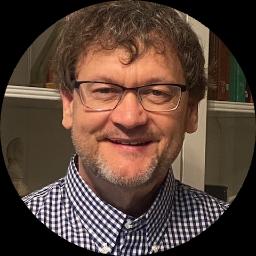
Mark Dunn is a licensed counselor who brings 24 years of clinical experience to his work. He is credentialed as an LCMHC (Licensed Clinical Mental Health Counselor) and an LPCC (Licensed Professional Clinical Counselor). Mark focuses on helping people manage stress, anxiety, depression, grief, and relationship concerns in clear, practical ways.
He uses a mindful, respectful approach and adapts sessions to each person's needs. Conversations are collaborative and focused on real problems in daily life. He listens for what matters most and helps people find steps they can try between sessions.
Mark blends methods from mindfulness, cognitive behavioral therapy, and client-centered approaches. That combination can help with mood, unhelpful thinking patterns, and learning calmer ways to respond under pressure. He also draws on dialectical behavior therapy and motivational interviewing when those styles fit the situation.
Common areas he addresses include caregiver stress, attachment and communication problems, codependency, infidelity, life transitions, and feelings of isolation or low self-esteem. He aims to make therapy feel approachable so people can talk through painful topics without extra jargon.
Mark works from North Carolina and conducts intake and planning with each person to set clear goals. He frames therapy as a step-by-step process, helping people try small changes and check what works. If you want to start, he guides you through scheduling and the first steps.