Therapist listings are provided by BetterHelp. We will earn a commission at no additional cost to you if you sign up through our links.

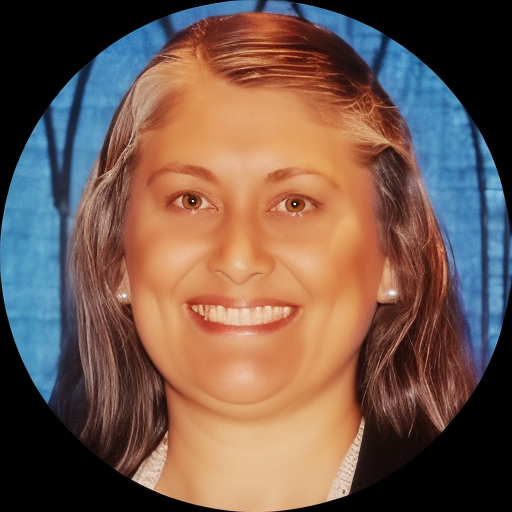
Natasha Kinto

Natasha Kinto

LCPC, LCMHC

Mindful and practical therapy for real life

Areas of expertise

Also works with

LGBTRelationship issuesFamily conflictsGriefIntimacy-related issuesParenting issuesSelf esteemCareer difficultiesBipolar disorderCoachingCompassion fatigueADHD

Additional focus areas

CodependencyCommunication problemsCoping with natural or human-caused disasterDrug and alcohol addictionGuilt and shameIsolation / lonelinessLife purposeMidlife crisisMulticultural concernsPost-traumatic stressPrejudice and discriminationProcess addiction (porn, exercise, gambling)Smoking / vaping cessationWomen's issuesYoung adult issues

Therapeutic approaches

Client-Centered TherapyCognitive Behavioral Therapy (CBT)Mindfulness TherapyMotivational InterviewingSolution-Focused Therapy

Experience

7+ years

Credentials

North Carolina, Nevada

Languages

English

Licenses listed

  • LCMHC, North Carolina13354
  • LCPC, NevadaCP5606-R
  • NPI 1225514813

As listed on the therapist's profile. You can check a license with the state licensing board and an NPI in the national registry.

  • Mindfulness-based approach
  • Practical coping tools
  • Collaborative goal setting

About Natasha

Natasha Kinto is a Licensed Clinical Mental Health Counselor (LCMHC) and a Licensed Clinical Professional Counselor (LCPC) practicing in North Carolina. She brings seven years of experience and a background in addictions work, with a master's degree in Clinical Mental Health Counseling from The University of North Carolina at Pembroke. Natasha aims to make therapy straightforward and practical for people juggling real-life demands.

Her approach blends Mindfulness Therapy with client-centered listening. Sessions focus on what matters most to the person in front of her - their goals, values, and day-to-day challenges. She uses clear strategies to reduce stress and manage anxiety, and she helps people move through grief, relationship strain, and life transitions.

Naturally pragmatic, Natasha also draws on Cognitive Behavioral Therapy and Motivational Interviewing to address addictive behaviors and motivation for change. That means working together to notice unhelpful thought patterns and try small, doable changes. She keeps language plain and focuses on steps people can take between sessions.

Her training and early work included fellowship-supported study in addictions and culturally informed care for underserved communities. That background informs how she talks about substance use, process addictions, and multicultural issues in therapy. Natasha aims to help clients build tools for balance rather than rely on jargon.

People seeking support for stress, depression, ADHD-related concerns, or career and parenting strain will find a collaborative, goal-minded clinician. She integrates a biopsychosocial-spiritual view of wellness and centers the person's own values in planning next steps.

How Natasha Uses Mindfulness, Client-Centered, and CBT Online

Natasha often combines Mindfulness Therapy, Client-Centered Therapy, and Cognitive Behavioral Therapy in straightforward ways online. Mindfulness Therapy emphasizes paying attention to the present moment and noticing thoughts without judgment, which can help with stress, anxiety, and cravings. Client-Centered Therapy focuses on listening, empathy, and following the client's priorities so sessions reflect what matters most to the person. Cognitive Behavioral Therapy looks at the links between thoughts, feelings, and behavior and uses practical exercises to change patterns that get in the way of daily life.

Finding the right mix of approaches is a collaborative process. She works with each person to identify goals and preferences, then adjusts techniques as needed. Clients help set priorities and decide whether to focus on skills practice, thought work, or mindfulness exercises during sessions.

Confirm current session options before booking so you know which formats are offered. Online work can make it easier to fit therapy into a busy week, allow shorter check-ins when schedules demand it, and reduce travel time. It also lets therapists use guided mindfulness practices, thought records, and motivational conversations without needing everyone to be in the same room. Ask about session length and scheduling when you complete the matching questionnaire so arrangements match your routine.

These summaries are based on the profile information listed on BetterHelp. Listing mindfulness as an approach does not mean a therapist holds a formal mindfulness training or certificate.

Frequently asked questions

What concerns does Natasha commonly address?

She works with stress, anxiety, depression, addictions, trauma, and life transitions. Additional focuses include relationship and intimacy issues, parenting strain, ADHD-related challenges, and multicultural concerns.

How would you describe her therapeutic style?

Her style is client-centered and practical, combining Mindfulness Therapy with CBT and Motivational Interviewing. Sessions aim to identify small changes and build skills the client can use between meetings.

What background does she bring to therapy?

She has seven years of clinical experience and completed a Master of Arts in Education in Clinical Mental Health Counseling from The University of North Carolina at Pembroke. Her early fellowship work focused on addictions and culturally informed care.

What credentials does she hold and where is she based?

She holds LCPC and LCMHC credentials and practices in North Carolina. The listed credentials are NV LCPC and NC LCMHC as provided in her profile.

Which languages are supported for sessions?

Sessions are offered in English.

Can people outside the United States work with her?

She does not accept international clients at this time.

How are fees and payment handled?

Cost varies with location and therapist availability; sessions use a subscription that can be canceled at any time. Exact pricing is provided during the sign-up process.

How do I begin working together?

Select the Start Therapy button, complete a short matching questionnaire, and schedule according to therapist availability.

Therapists on BetterHelp do not prescribe medication. A doctor can talk with you about medical options. If you are thinking about suicide, call or text 988; in an emergency, call 911.

Natasha KintoContinue with Natasha