- Mindfulness based approaches
- Client-centered care
- Practical skill building
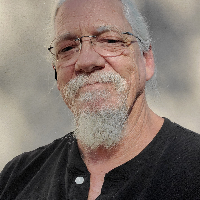
About Michael
Michael (Mike) Wallington brings 44 years of experience as an LPCC in New Mexico. He frames problems as responses to stress and life events, not as personal failings. He writes plainly about how depression, anxiety, or substance use can disrupt daily life and relationships. His approach is calm and nonjudgmental, focused on practical steps toward balance.
Mike works with people who are coping with addiction, trauma, grief, anger, and relationship strain. He also helps with parenting stress, career concerns, self-esteem, and major life changes. He pays attention to how early attachment and family history shape current reactions and relationships.
In sessions he leans on client-centered and cognitive-behavioral ideas, plus mindfulness practices and attachment-based perspectives. That means he listens to what matters to you, then tries simple skills and new ways of thinking that reduce distress. He also uses techniques drawn from dialectical behavior therapy to support emotion regulation when needed.
Mike aims to create a steady space where people can name difficult feelings and try small changes. He emphasizes practical tools for coping, clearer communication, and healthier patterns in relationships. Progress is framed as learning and practice rather than instant fixes.
To begin, he asks clients to reflect on immediate concerns and goals. From there he and the client decide which strategies to try and how to measure progress. The focus stays on usable steps people can bring into daily life.