Therapist listings are provided by BetterHelp. We will earn a commission at no additional cost to you if you sign up through our links.

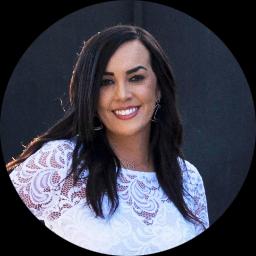
Monica Sosa

Monica Sosa

LCSW

Warm, practical help for stress and trauma

Areas of expertise

Primary focus

Stress, AnxietyRelationship issuesTrauma and abuseGriefAnger management

Also works with

AddictionsFamily conflictsParenting issuesSelf esteemBipolar disorderDepressionCoping with life changesCompassion fatigueADHD

Additional focus areas

Adoption and foster careDisruptive Mood Dysregulation Disorder (DMDD)Family problemsGuilt and shameImpulsivityMood disordersPost-traumatic stressSocial anxiety and phobia

Therapeutic approaches

Client-Centered TherapyCognitive Behavioral Therapy (CBT)Dialectical Behavior Therapy (DBT)Eye Movement Desensitization and Reprocessing (EMDR)Mindfulness TherapyMotivational InterviewingNarrative TherapyPsychodynamic TherapySolution-Focused TherapyTrauma-Focused Therapy

Experience

8+ years

Credentials

New Mexico

Languages

English

Licenses listed

As listed on the therapist's profile. You can check a license with the state licensing board and an NPI in the national registry.

  • Mindfulness-based care
  • Client-centered focus
  • Practical skills

About Monica

Monica Sosa is a Licensed Clinical Social Worker who helps people manage stress, anxiety, depression, and strong life changes. She speaks plainly and offers a calm, warm presence for people who feel overwhelmed by mood shifts, grief, anger, or relationship strain. Monica also supports those facing trauma, addictive behaviors, parenting challenges, and questions around adoption or foster care.

Monica trained in social work and earned her Master of Social Work in 2014. She has eight years of clinical experience as an LCSW in New Mexico and has worked across a range of settings and problems. She uses practical tools from client-centered approaches and Cognitive Behavioral Therapy to help people notice patterns and try different responses.

Her sessions often include mindfulness exercises to ground difficult feelings and Dialectical Behavior Therapy skills for managing intense emotions. Monica may integrate Eye Movement Desensitization and Reprocessing techniques when trauma symptoms are present. She draws from Motivational Interviewing to support change when people struggle with substance use or motivation.

Monica also works with parents on positive parenting and attachment-focused strategies. She offers straightforward coaching for everyday interactions so parents can try new ways of connecting with their children and reduce family conflict.

Her style is easy-going and respectful. Monica focuses on what a person wants to change, sets small steps, and adjusts methods as needs shift. If someone is ready to begin, she guides the first steps toward clearer goals and more manageable days.

How therapeutic approaches translate to online care

Mindfulness Therapy helps people notice thoughts and body sensations without getting swept away. Online practice can include guided breathing, brief grounding exercises, and learning to observe stress responses, which may help with anxiety and tension.

Client-Centered Therapy focuses on listening, understanding, and reflecting what matters to the person. In remote sessions this often looks like a therapist offering open questions, validation, and space to set goals while the client describes daily challenges.

Cognitive Behavioral Therapy (CBT) teaches practical ways to spot thinking patterns and try different behaviors. Online work can include setting small experiments, using worksheets between sessions, and tracking changes week to week to reduce symptoms of depression and anxiety.

Finding the right approach is part of the process. The therapist will work together with the client to choose methods that fit their needs, goals, and comfort level, and will adjust techniques as progress is made.

Session formats were not specified in the original biography, so confirm current options before booking. Online therapy can make it easier to fit care into a busy life by removing travel time, offering shorter check-ins when needed, and letting people join sessions from a quieter place or during a work break. Talk with the therapist about how to shape sessions so they fit day-to-day routines.

These summaries are based on the profile information listed on BetterHelp. Listing mindfulness as an approach does not mean a therapist holds a formal mindfulness training or certificate.

Frequently asked questions

What concerns does Monica commonly address?

Monica helps people with stress, anxiety, depression, trauma and abuse, grief, anger, addictions, family and parenting challenges, self-esteem, bipolar disorder, ADHD, and related mood and behavior issues.

How would you describe her therapeutic style?

Her style is warm and easy-going with a focus on practical tools. She blends client-centered listening with skills-based techniques so people can try new responses between sessions.

What background and experience does she bring?

She holds a Master of Social Work and has eight years of experience as a Licensed Clinical Social Worker in New Mexico, working across varied settings and presenting problems.

What credential and location are on file?

She is an LCSW licensed in New Mexico and practices in that state.

Which languages are offered and are international clients seen?

Sessions are offered in English. International clients are not currently accepted.

What session formats are available?

The original biography does not specify session formats; please confirm current session options with the platform before booking.

How does pricing work for sessions?

Cost varies with location and therapist availability; sessions use a subscription model that can be canceled at any time.

What are the first steps to begin therapy?

Click the Start Therapy button, complete a short matching questionnaire, and schedule sessions according to the therapist's availability.

Therapists on BetterHelp do not prescribe medication. A doctor can talk with you about medical options. If you are thinking about suicide, call or text 988; in an emergency, call 911.

Monica SosaContinue with Monica