- Mindfulness-based care
- Attachment focused
- Practical coping skills
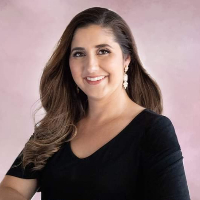
About Jacqueline
Jacqueline Rivers uses mindfulness as a core way to help people notice and respond to difficult feelings. She focuses on building awareness and practical skills so clients can manage stress, anxiety, grief, and relationship concerns. Jacqueline is a licensed Marriage and Family Therapist in New Mexico and brings ten years of clinical experience to her work.
She centers sessions on the person in front of her, listening first and then offering tools that fit each situation. Her style draws on attachment ideas and client-centered work to strengthen how people connect with others and with themselves. Jacqueline also uses approaches informed by neurobiology to explain why certain patterns repeat and how change happens.
People come to her for help with depression, coping with life changes, parenting strain, intimacy issues, and trauma or abuse. She also supports concerns like career stress, bipolar challenges, ADHD, and compassion fatigue. Jacqueline pays attention to how family background and attachment history shape current struggles.
Her training includes EMDR, which she integrates when trauma processing is needed, alongside solution-focused steps for clearer next actions. Sessions often combine short-term goals with mindfulness practice to build calm and focus between meetings.
Jacqueline received a Master of Science in Family and Child Science with an emphasis in Marriage and Family Therapy from New Mexico State University. She earned a Bachelor of Science in Family and Human Development from Arizona State University. Her ten years of experience include work with individuals and couples facing loss, illness, and relationship conflict.