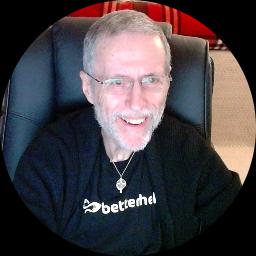
Therapist listings are provided by BetterHelp. We will earn a commission at no additional cost to you if you sign up through our links.

Stephen Weiss

Stephen Weiss

LICSW, LCSW

Experienced clinician focused on practical change

Areas of expertise

Primary focus

Stress, AnxietyAddictionsRelationship issuesTrauma and abuseDepression

Also works with

Family conflictsGriefIntimacy-related issuesParenting issuesAnger managementSelf esteemCareer difficultiesBipolar disorderCoping with life changesCoachingCompassion fatigueADHD

Additional focus areas

AbandonmentAdoption and foster careAttachment issuesAvoidant personalityBlended family issuesCaregiver issues and stressCodependencyCommitment issuesCommunication problemsControl issuesDependent personalityDivorce and separationDrug and alcohol addictionEmptinessFamily of origin issuesFamily problemsFatherhood issuesForgivenessGuilt and shameHospice and end-of-life counselingImpulsivityInfidelityIsolation / lonelinessJealousyLife purposeMen's issuesMidlife crisisMoney and financial issuesMood disordersNarcissismObsessions, compulsions, and OCDPanic disorder and panic attacksPersonality disordersPhobiasPost-traumatic stressProcess addiction (porn, exercise, gambling)Self-harmSelf-loveSexualitySocial anxiety and phobiaWorkplace issuesYoung adult issues

Therapeutic approaches

Acceptance and Commitment Therapy (ACT)Attachment-Based TherapyClient-Centered TherapyCognitive Behavioral Therapy (CBT)Dialectical Behavior Therapy (DBT)Emotionally-Focused Therapy (EFT)Mindfulness TherapyMotivational InterviewingNarrative TherapyPsychodynamic TherapySolution-Focused TherapyTrauma-Focused TherapyInternal Family SystemsSystemic Therapy

Experience

40+ years

Credentials

Arizona, Washington

Languages

English

Licenses listed

  • LCSW, ArizonaLCSW-12136
  • LICSW, WashingtonLW61586749
  • NPI 1174565105

As listed on the therapist's profile. You can check a license with the state licensing board and an NPI in the national registry.

  • Mindfulness-informed practice
  • Strengths-based approach
  • Practical life skills

About Stephen

Stephen Weiss is a Licensed Independent Clinical Social Worker (LICSW) and a Licensed Clinical Social Worker (LCSW) with four decades of clinical experience. He focuses on helping people who are managing stress, anxiety, addiction, depression, trauma, grief, relationship and intimacy concerns, and the everyday strain of parenting and career changes. Stephen emphasizes starting where a person is and building change from that point.

Stephen keeps sessions practical and grounded. He helps people name what matters to them, spot existing strengths, and decide which changes to try. He uses approaches such as Mindfulness Therapy, Acceptance and Commitment Therapy, and Attachment-Based work alongside cognitive and client-centered methods. That mix lets him tailor the work to each person's needs.

He has experience with a wide range of concerns including codependency, communication problems, blended family issues, adoption and foster-care related topics, and substance use challenges. Stephen also supports people facing burnout, compassion fatigue, and life transitions such as divorce or major career shifts.

Stephen describes his role as collaborative rather than directive. He aims to build a dependable therapeutic relationship and to be clear about the goals and steps in treatment. Faith and personal values can be included in sessions when clients want that addressed.

Based in Arizona, he brings practical tools alongside reflective work so people can try changes between sessions. His background and long experience inform an approach that is steady, patient, and focused on the client’s priorities.

How his approaches translate to online work

Stephen often uses Mindfulness Therapy to help people build present-moment skills like noticing thoughts and grounding attention, which can reduce reactivity and support coping with stress and anxiety. Acceptance and Commitment Therapy (ACT) is another frequent tool; it helps clients clarify values, accept difficult feelings, and take small committed actions toward meaningful goals. Attachment-Based Therapy is used to look at how past relationships shape current patterns and to practice new ways of relating and communicating.

Finding the right approach is part of the work. He treats therapy as a collaboration and will help clients test methods and pick what fits their needs and preferences. Goals and techniques are adjusted as progress is made.

Confirm which online session formats are currently offered before scheduling. Online work can make it easier to fit sessions into a busy week, allow shorter check-ins when needed, and reduce travel time so people can use a break from work or other obligations for a session. Licensed professionals can adapt mindfulness exercises, ACT practices, and attachment-focused conversations to an online setting so clients can practice skills between meetings and bring real-life situations straight into session for discussion.

These summaries are based on the profile information listed on BetterHelp. Listing mindfulness as an approach does not mean a therapist holds a formal mindfulness training or certificate.

Frequently asked questions

What kinds of problems does he help with?

He works with stress, anxiety, depression, trauma, grief, relationship and intimacy concerns, addiction, parenting stress, career changes, and related family origin issues.

What is his therapeutic style like?

He takes a collaborative, down-to-earth approach that starts where the client is and focuses on practical steps. Sessions blend reflective conversation with hands-on tools to try between meetings.

How much clinical experience does he have?

He brings 40 years of experience in clinical social work to his practice and draws on that background when helping clients set realistic goals.

What credentials and location should I know about?

He holds LICSW and LCSW credentials and practices in Arizona.

Can I meet with him if I live outside the US?

Sessions are offered in English and he is not accepting international clients at this time.

What session formats are available?

Confirm current session options before booking to make sure the format fits your needs.

How much do sessions cost?

Cost varies with location and therapist availability; sessions use a subscription that can be canceled at any time.

How do I begin working together?

Press the Start Therapy button, complete a short matching questionnaire, and schedule according to therapist availability.

Therapists on BetterHelp do not prescribe medication. A doctor can talk with you about medical options. If you are thinking about suicide, call or text 988; in an emergency, call 911.

Stephen WeissContinue with Stephen