Family conflictsTrauma and abuseParenting issuesAnger management
Additional focus areas
AbandonmentAdoption and foster careAging and geriatric issuesAttachment issuesAvoidant personalityBlended family issuesCancerCaregiver issues and stressCo-morbidityCodependencyCommitment issuesCommunication problemsControl issuesCoping with natural or human-caused disasterDependent personalityDissociationDivorce and separationEmptinessFamily of origin issuesFamily problemsFatherhood issuesFirst responder issuesForgivenessGuilt and shameImmigration issuesImpulsivityInfidelityIsolation / lonelinessJealousyLife purposeMen's issuesMidlife crisisVeteran and Armed Forces IssuesMood disordersMulticultural concernsObsessions, compulsions, and OCDPanic disorder and panic attacksParanoiaPhobiasPostpartum depressionPost-traumatic stressProcess addiction (porn, exercise, gambling)Self-loveSocial anxiety and phobiaSomatizationWorkplace issuesYoung adult issues
As listed on the therapist's profile. You can check a license with the state licensing board and an NPI in the national registry.
Mindful methods
Skills focused
Goal oriented
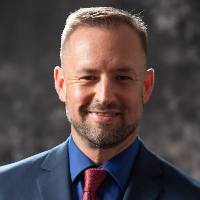
About Kevin
Kevin Wilbanks, LCPC, LPC, meets people where they are and helps them move toward clear goals. He focuses on helping people manage stress, anxiety, depression, anger, relationship struggles, and parenting challenges. He also addresses trauma, family concerns, self-esteem, and related issues like abandonment and attachment difficulties.
Kevin uses straightforward talk and practical skills. He teaches ways to calm the body and steady the mind so decisions feel clearer. Sessions emphasize noticing how past experiences shape current patterns and then trying small, different choices to change those patterns.
Many people work on changing harsh self-talk, reducing self-sabotage, and learning behavior skills that fit daily life. He blends mindfulness-based attention with cognitive and emotion-focused tools to support those shifts. The goal is more control, better emotional balance, and clearer direction.
He brings over 32 years of experience in counseling. His background includes work with military populations around the world and leadership in community counseling programs in rural settings. That experience informs a pragmatic approach to common life problems.
Outside the office he enjoys playing drums and percussion, hiking, fitness, travel, and reading. He invites prospective clients to consider what they want to change and to take a small first step toward that change.
How therapeutic approaches translate to online work
Mindfulness Therapy teaches simple attention and breathing practices to reduce reactivity and calm the nervous system. It can help with anxiety, stress, and emotional overwhelm by creating space to notice urges and choose responses. Attachment-Based Therapy looks at how early patterns shape close relationships and helps people try new ways of relating that feel safer and more satisfying.
Finding the right combination of approaches is part of the work. The therapist will collaborate with the client to choose strategies that match the person’s goals, needs, and preferences. That means testing methods and adjusting based on what helps the client feel and act differently in daily life.
Confirm current session options before booking, as formats are not specified here. Online therapy can make it easier to fit sessions into a busy week, save travel time, or use shorter check-ins when a full session isn’t possible. It also lets people practice skills in the contexts where they live and work, and then bring observations back to therapy for real-time problem solving. Licensed professionals can tailor pacing and homework so sessions connect directly to everyday challenges.
These summaries are based on the profile information listed on BetterHelp. Listing mindfulness as an approach does not mean a therapist holds a formal mindfulness training or certificate.
Frequently asked questions
What issues does Kevin often help with?
He supports people dealing with stress, anxiety, depression, anger, relationship and parenting challenges, trauma and family concerns. Additional focus areas include abandonment, adoption and foster care related issues, attachment concerns, and caregiver stress.
What is the general style of therapy?
His style is collaborative and skills focused, combining mindful awareness with practical techniques. Sessions include teaching ways to calm the body, shift unhelpful self-talk, and try new behavioral choices.
How long has he been practicing?
He has 32 years of counseling experience, including clinical work supporting the United States Armed Forces and leadership of community counseling services in rural areas.
What credentials and region are listed?
He holds LCPC and LPC credentials and practices in Oregon.
Can sessions be held in languages other than English?
Sessions are offered in English.
Are international clients supported?
He accepts international clients as part of his practice.
How are fees and billing handled?
Costs vary with location and therapist availability, and sessions use a subscription that can be canceled at any time.
What should I do to start working together?
Click the Start Therapy button, complete a short matching questionnaire, and schedule according to therapist availability.
Therapists on BetterHelp do not prescribe medication. A doctor can talk with you about medical options. If you are thinking about suicide, call or text 988; in an emergency, call 911.