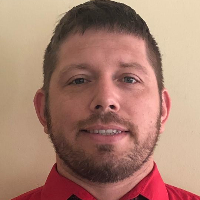
As listed on the therapist's profile. You can check a license with the state licensing board and an NPI in the national registry.
Mindfulness informed
Addiction focus
Trauma-aware care
About Richard
Richard Rodgers is a Licensed Clinical Social Worker (LCSW) with ten years of experience in mental health and addiction care. He began his path after service in the Army National Guard and now focuses on helping people manage stress, anxiety, addiction, trauma, grief, and depression. He aims to listen first and build a plan that fits each person’s needs.
Rick's training includes a Bachelor’s in Community Health and a Master of Social Work (MSW), followed by licensure as an LCSW in multiple states. His background spans inpatient and outpatient settings, and he has worked extensively in addiction services and trauma-informed care. He draws on several therapeutic styles to match the person in front of him.
In sessions he blends talk therapy with mindfulness-based practices and other approaches to help people handle painful memories, addictive patterns, and overwhelming emotions. He emphasizes practical tools that can be used between meetings to manage mood, sleep, and stress. The work is collaborative - goals and steps are set together.
Rick also helps people address relationship strain, intimacy-related problems, parenting challenges, career stress, and the emotional effects of medical conditions. He brings particular focus to issues like abandonment, attachment concerns, body image, and coping with major life changes.
Outside of clinical work he values time with family and pets and enjoys sports and concerts. That balance informs a grounded, straightforward style in the therapy room.
How mindfulness and ACT fit into online therapy
Mindfulness Therapy helps people notice thoughts, feelings, and bodily sensations without getting swept up by them. It can be useful for anxiety, stress, sleep problems, and managing cravings. Acceptance and Commitment Therapy (ACT) focuses on clarifying values and taking action toward them while learning new ways to relate to difficult thoughts and emotions. It is often used for anxiety, depression, and life transitions. Attachment-Based Therapy looks at how early relationships shape current patterns and helps people develop more secure ways of relating to others and themselves.
Finding the right approach is part of the work. The therapist will talk with the client about goals, preferences, and what has or hasn’t worked before. Together they decide which methods to try and adjust the plan over time based on what helps most.
If you are considering online sessions, confirm the exact session options before booking since formats are not specified here. Online care can make it easier to fit therapy into a busy day, allow shorter check-ins when needed, and reduce travel time. It also supports consistent attendance during life changes and helps people practice skills in their own routines.
These summaries are based on the profile information listed on BetterHelp. Listing mindfulness as an approach does not mean a therapist holds a formal mindfulness training or certificate.
Frequently asked questions
What concerns does he commonly address?
He works with stress, anxiety, addictions, trauma and abuse, grief, depression, LGBT issues, relationship and family concerns, intimacy-related issues, sleeping problems, parenting strain, anger, self esteem, career stress, bipolar disorder, and coping with life changes.
What is his therapeutic style like?
He uses a mix of approaches including mindfulness practices, acceptance and commitment methods, attachment-focused work, client-centered listening, and cognitive behavioral techniques to tailor care to each person.
How much experience does he have?
He has about 10 years of professional experience in mental health and addiction treatment across inpatient and outpatient settings, and began his work after military service.
What credentials and location are listed?
He holds the Licensed Clinical Social Worker credential (LCSW) and practices in Indiana. His training includes a Bachelor’s in Community Health and a Master of Social Work.
Which languages are supported for sessions?
Sessions are offered in English.
Can people outside the U.S. work with him?
International clients are not currently accepted.
How does cost and billing work?
Cost varies with location and therapist availability; sessions use a subscription model that can be canceled at any time.
What do I do to begin therapy?
Click the Start Therapy button, complete a short matching questionnaire, and then schedule sessions based on the therapist's availability.
Therapists on BetterHelp do not prescribe medication. A doctor can talk with you about medical options. If you are thinking about suicide, call or text 988; in an emergency, call 911.