AbandonmentCodependencyCommitment issuesControl issuesCoping with natural or human-caused disasterDependent personalityDissociationDrug and alcohol addictionEmptinessFirst responder issuesForgivenessGuilt and shameLife purposeVeteran and Armed Forces IssuesPolyamory / non-monogamous relationshipsPostpartum depressionPost-traumatic stressPregnancy and childbirthSelf-harmSelf-loveSexual assault and abuseWomen's issues
Therapeutic approaches
Acceptance and Commitment Therapy (ACT)Attachment-Based TherapyClient-Centered TherapyCognitive Behavioral Therapy (CBT)Dialectical Behavior Therapy (DBT)Emotionally-Focused Therapy (EFT)Eye Movement Desensitization and Reprocessing (EMDR)Jungian TherapyMindfulness TherapyMotivational InterviewingNarrative TherapyPsychodynamic TherapySolution-Focused TherapyTrauma-Focused Therapy
As listed on the therapist's profile. You can check a license with the state licensing board and an NPI in the national registry.
Mindfulness-based care
Trauma and addiction focus
Values-based support
About Amanda
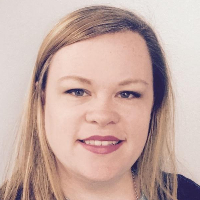
Amanda Lovin is a Licensed Professional Counselor (LPC) practicing in Georgia. She blends practical tools with a warm, interactive style to help people facing stress, anxiety, depression, relationship strain, trauma, and addiction-related concerns. Amanda frames sessions around what each person needs right now and offers steady support while clients try new ways of coping.
Amanda has nine years of clinical experience working with trauma and addictions among other issues. She has helped people navigate grief, intimacy concerns, codependency, and challenges like guilt, shame, and emptiness. Her background includes work with first responders, veterans and armed forces issues, and people coping with major life changes or disaster-related stress.
Her approach is collaborative and practical. She uses mindfulness techniques alongside Acceptance and Commitment Therapy and Attachment-Based ideas to help people notice patterns and make values-based choices. Cognitive Behavioral Therapy and Client-Centered strategies also shape her work, so sessions mix reflection, skill practice, and real-world problem solving.
Amanda emphasizes a paced, compassionate process. She focuses on building skills for distress tolerance, emotion regulation, and healthier connection patterns. Sessions typically center on what matters to the client, whether that is reducing anxiety, addressing substance use patterns, or repairing relationship dynamics.
People who reach out can expect a straightforward, nonjudgmental tone and a focus on usable strategies. Amanda encourages questions and adapts plans as needs shift over time.
How Mindful and Values-Based Approaches Work Online
Amanda integrates Mindfulness Therapy, Acceptance and Commitment Therapy (ACT), and Attachment-Based ideas into practical online work. Mindfulness Therapy helps people notice thoughts and bodily reactions in the moment so they can choose how to respond rather than react. ACT focuses on clarifying personal values and taking small committed actions even when uncomfortable feelings are present. Attachment-Based ideas look at how early relationship patterns shape current connection styles and aim to build healthier ways of relating.
Finding the right approach is a collaborative process. Amanda will talk with each person about their goals, preferences, and what has helped or not helped in the past. Together they shape a plan that may combine mindfulness practice, cognitive skills, and relational work to fit the person's needs.
The supplied biography does not list specific session formats, so confirm current options before booking. Online work can make it easier to fit therapy into a busy life by removing travel time and allowing sessions during a lunch break or between responsibilities. It also allows for shorter check-ins or focused skill practice when that suits someone's schedule. Licensed professionals can adapt exercises for remote use so sessions still include guided practice, reflection, and action steps to try between meetings.
These summaries are based on the profile information listed on BetterHelp. Listing mindfulness as an approach does not mean a therapist holds a formal mindfulness training or certificate.
Frequently asked questions
What concerns does Amanda commonly address?
She helps people dealing with stress, anxiety, depression, relationship and intimacy issues, trauma and abuse, and addictive behaviors. Additional focuses include grief, self-esteem struggles, ADHD, compassion fatigue, and issues like codependency and abandonment.
What is her therapeutic style like?
Her style is warm and interactive, mixing practical skill work with reflective conversation. Sessions focus on building coping skills, noticing patterns, and trying new behaviors that align with the client's goals.
How much experience does she have?
She has nine years of clinical experience, including work as a trauma and addictions therapist. That background informs how she approaches complex emotional and behavioral concerns.
Which credentials and location are listed for Amanda?
She holds the LPC credential and is licensed in Georgia. Her practice location is in Georgia.
In which languages can sessions be held and are international clients supported?
Sessions are offered in English, and she accepts international clients.
What session formats are offered?
The original biography does not specify session formats. Please confirm current session options before booking so you know whether sessions will be remote, in person, phone, or video.
How do fees and billing work?
Costs vary with location and therapist availability, and sessions use a subscription that can be canceled at any time. Exact pricing depends on the chosen arrangement.
How do I begin working with her?
Use the Start Therapy button, complete a short matching questionnaire, and then schedule according to therapist availability. The questionnaire and scheduling process guide next steps.
Therapists on BetterHelp do not prescribe medication. A doctor can talk with you about medical options. If you are thinking about suicide, call or text 988; in an emergency, call 911.