Adoption and foster careAging and geriatric issuesCaregiver issues and stressCodependencyCommunication problemsFatherhood issuesHIV / AIDSMulticultural concernsPolyamory / non-monogamous relationshipsPrejudice and discrimination
As listed on the therapist's profile. You can check a license with the state licensing board and an NPI in the national registry.
Mindfulness practice
CBT strategies
Client-centered care
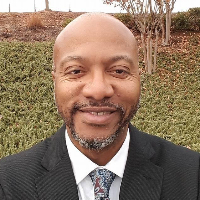
About Patrick
Patrick Aaron (Aaron-Brown) helps people facing stress, anxiety, depression, and relationship or intimacy-related concerns. He also supports those dealing with grief, parenting challenges, anger, ADHD-related behaviors, and identity concerns tied to LGBT issues. He practices in Georgia and brings ten years of clinical social work experience to his work. Patrick holds LCSW and CSW credentials and uses practical methods in sessions.
Before private practice, he worked in family and child services, hospital social work, and behavioral health. Those roles included case management, family consultation, and supporting people through medical and trauma-related needs. This background shaped his respect for cultural differences and for the many ways people cope with life changes.
In sessions he focuses on building perseverance, flexibility, and self-worth. He draws on Cognitive Behavioral Therapy, client-centered conversation, Emotionally-Focused ideas, Motivational Interviewing, and mindfulness practices. Work in the room often involves identifying patterns, trying out small behavior changes, and practicing new ways of responding to stress.
He also has a certificate in Nurturing Parenting Instruction, which informs work with parents and caregivers. Patrick describes therapy as a collaborative process where goals are set together and progress is tracked over time.
People seeking help for adoption and foster care concerns, aging and caregiver stress, codependency, communication problems, fatherhood issues, HIV/AIDS, multicultural issues, polyamory or non-monogamy, and prejudice or discrimination will find these topics within his scope. He uses clear, everyday language and practical steps when helping clients move forward.
How mindful, client-centered, and CBT approaches translate to online work
Mindfulness Therapy teaches simple attention and breathing practices to reduce reactivity and help people notice stress as it arises. It can be useful for anxiety, anger, and coping with life changes by building moment-to-moment awareness.
Client-Centered Therapy focuses on listening and reflecting back what a person says so they feel heard and can better understand their own goals. This approach helps with self-esteem, relationship concerns, and grief by centering the client's perspective.
Cognitive Behavioral Therapy (CBT) looks at the links between thoughts, feelings, and behaviors and uses small experiments and homework to change unhelpful patterns. It is often used for anxiety, depression, and practical behavior change like parenting or ADHD-related strategies.
Finding the right approach is part of the work. The therapist will talk with clients about their goals and preferences and choose methods together. That collaborative process helps tailor practices and exercises to what fits a person's life and challenges.
The biography does not list specific session formats, so confirm current online options before booking. Many people find online sessions help fit therapy into a busy schedule, make check-ins easier during the week, and reduce travel time. Some formats also allow shorter or more frequent meetings to support parenting or caregiving needs. Licensed professionals adapt exercises such as mindfulness practices, behavioral experiments, and motivational conversations to work in remote sessions when that is chosen.
These summaries are based on the profile information listed on BetterHelp. Listing mindfulness as an approach does not mean a therapist holds a formal mindfulness training or certificate.
Frequently asked questions
What kinds of concerns can be addressed?
He helps with stress, anxiety, depression, relationship and intimacy issues, grief, parenting and family concerns, anger, and ADHD-related behaviors. Additional focuses include adoption and foster care, aging and caregiver stress, codependency, communication, fatherhood issues, HIV/AIDS, multicultural issues, polyamory, and prejudice.
How would you describe the therapy style?
Sessions are collaborative and straightforward. He uses client-centered conversation, mindfulness techniques, and practical CBT-style strategies to identify patterns and try small changes.
What is his professional background?
Patrick has ten years of experience working in family and child services, hospital social work, behavioral health, and family consultation. That experience informs how he approaches diverse life challenges.
What credentials and location are listed?
He holds LCSW and CSW credentials and practices in Georgia. The profile lists NV LCSW and GA LCSW as credential details.
Which languages are supported and can international clients join?
Sessions are offered in English. He is not accepting international clients at this time.
What session formats are available?
The original biography does not specify session formats. Please confirm current session options before scheduling.
How are fees handled?
Cost varies with location and therapist availability and sessions use a subscription that can be canceled at any time.
How do I begin the process?
Click the Start Therapy button, complete a short matching questionnaire, and schedule according to the therapist's availability.
Therapists on BetterHelp do not prescribe medication. A doctor can talk with you about medical options. If you are thinking about suicide, call or text 988; in an emergency, call 911.