AbandonmentAdoption and foster careAging and geriatric issuesAttachment issuesAutism and Asperger SyndromeBDSM, kink, and alternative sex cultureBlended family issuesBody imageCaregiver issues and stressChronic pain, illness, and disabilityCodependencyCommunication problemsControl issuesDependent personalityDissociationDivorce and separationDomestic violenceEating and food-related issuesEmptinessFamily problemsFatherhood issuesFertility issuesFirst responder issuesForgivenessGender dysphoriaGuilt and shameHoardingHospice and end-of-life counselingImpulsivityInfidelityIsolation / lonelinessJealousyLife purposeMidlife crisisVeteran and Armed Forces IssuesMoney and financial issuesMood disordersMulticultural concernsNarcissismObsessions, compulsions, and OCDPanic disorder and panic attacksParanoiaPhobiasPolyamory / non-monogamous relationshipsPostpartum depressionPost-traumatic stressPregnancy and childbirthPrejudice and discriminationProcess addiction (porn, exercise, gambling)Self-harmSelf-loveSex addictionSexual assault and abuseSexual dysfunctionSexualitySocial anxiety and phobiaSomatizationWomen's issuesWorkplace issuesYoung adult issues
As listed on the therapist's profile. You can check a license with the state licensing board and an NPI in the national registry.
Mindfulness informed
Collaborative style
Goal focused
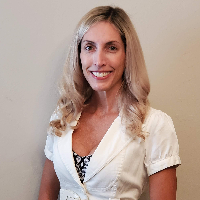
About Ashleigh
Ashleigh Beechy is a Licensed Clinical Professional Counselor (LCPC) and Licensed Independent Mental Health Practitioner (LIMHP) with 19 years of experience. She practices from Ohio and works with adults and adolescents. Ashleigh has provided care in private practice, crisis centers, hospitals, and schools over her career.
Ashleigh uses practical, hands-on methods rather than a single approach. She draws on client-centered work and cognitive-behavioral ideas to help people notice patterns and try small changes. Mindfulness practices are part of her work when they suit a person's needs. She also uses techniques from attachment-based and dialectical behavior approaches when helpful.
Sessions are conversational and goal-oriented. Ashleigh aims to create an environment where people can talk honestly and try new coping skills. She helps with stress, anxiety, depression, grief, relationship and intimacy concerns, addiction, eating and sleeping issues, parenting strain, ADHD, and many other challenges listed in her specialties.
Her background includes work with LGBTQIA+ concerns, family issues, trauma and abuse, and grief and loss. Ashleigh emphasizes collaboration - she partners with people to set goals and teaches skills to reach them. Practical strategies might include thought restructuring, mindfulness exercises, emotion regulation skills, or communication practice.
Ashleigh chose counseling after a positive experience in therapy during college. She balances work and life with exercise, time at the beach, and talking with close friends. To begin, she asks people to complete a short matching questionnaire and schedule a session based on availability.
How therapeutic approaches fit into online care
Mindfulness Therapy involves simple practices that help people notice thoughts and body sensations without judgment. It can be useful for anxiety, stress, sleep problems, and managing strong emotions. Attachment-Based Therapy looks at how early relationships shape current patterns and relationship struggles; it can help with intimacy, communication, and trust issues. Client-Centered Therapy focuses on a respectful, nonjudgmental conversation where the person leads the work and the therapist reflects and supports growth.
Finding the right approach is part of the therapy process. Ashleigh will work collaboratively to identify which methods fit a person's needs, goals, and preferences. That choice can change over time as goals shift and new issues come up.
Online therapy can make it easier to fit sessions into a busy life, reduce travel time, and allow check-ins from different locations. Because the biography does not list specific session formats here, confirm available formats before booking. Discussing which methods to use and how often to meet happens during scheduling so sessions align with daily routines and therapy goals.
These summaries are based on the profile information listed on BetterHelp. Listing mindfulness as an approach does not mean a therapist holds a formal mindfulness training or certificate.
Frequently asked questions
What issues does this therapist help with?
Ashleigh addresses stress, anxiety, depression, grief, relationship and intimacy concerns, addictions, eating and sleeping issues, parenting strain, ADHD, and many related concerns such as trauma, body image, and caregiver stress.
How would you describe her therapeutic style?
Her style is collaborative and practical. She uses client-centered conversations and evidence-based techniques to build skills, try new behaviors, and set achievable goals.
What is her professional background?
She has 19 years of experience working in private practice, crisis centers, hospitals, and schools. That range informs her work with a variety of life challenges and settings.
What credentials and region are listed for this therapist?
She holds the credentials LCPC and LIMHP and practices from Ohio. License details include ID LCPC and NE LIMHP as documented.
Are sessions offered in other languages or to international clients?
Sessions are offered in English, and she accepts some international clients according to the documented information.
What session formats are available?
Please confirm current session options before booking, as the biography does not list specific formats. Check available formats when scheduling to match your needs.
How is cost handled for sessions?
Cost varies with location and therapist availability; sessions use a subscription model that can be canceled at any time.
How do I begin working with her?
Start by selecting the Start Therapy button, completing a short matching questionnaire, and scheduling according to therapist availability.
Therapists on BetterHelp do not prescribe medication. A doctor can talk with you about medical options. If you are thinking about suicide, call or text 988; in an emergency, call 911.