Therapist listings are provided by BetterHelp. We will earn a commission at no additional cost to you if you sign up through our links.

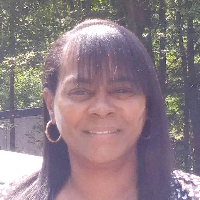
Vicky Burgh-Harris

Vicky Burgh-Harris

LCSW

Practical, goal-focused therapy for everyday struggles

Areas of expertise

Primary focus

Stress, AnxietyAddictionsRelationship issuesSelf esteemDepression

Also works with

Family conflictsTrauma and abuseIntimacy-related issuesParenting issuesAnger managementCareer difficultiesCoping with life changesCoaching

Additional focus areas

AbandonmentAging and geriatric issuesBlended family issuesCaregiver issues and stressCodependencyCommitment issuesCommunication problemsCoping with natural or human-caused disasterDivorce and separationDrug and alcohol addictionEmptinessFamily of origin issuesFamily problemsFatherhood issuesForgivenessGuilt and shameInfidelityIntellectual disabilityIsolation / lonelinessJealousyLife purposeMidlife crisisMoney and financial issuesMulticultural concernsPanic disorder and panic attacksPolyamory / non-monogamous relationshipsPrejudice and discriminationProcess addiction (porn, exercise, gambling)Seasonal Affective Disorder (SAD)Smoking / vaping cessationSocial anxiety and phobiaWomen's issuesWorkplace issues

Therapeutic approaches

Client-Centered TherapyCognitive Behavioral Therapy (CBT)Mindfulness TherapyMotivational InterviewingSolution-Focused Therapy

Experience

20+ years

Credentials

New York, Arizona

Languages

English

Licenses listed

  • LCSW, New York076375
  • LCSW, ArizonaLCSW-22136
  • NPI 1750373510

As listed on the therapist's profile. You can check a license with the state licensing board and an NPI in the national registry.

  • Mindfulness informed
  • Goal directed
  • Warm and direct

About Vicky

Vicky Burgh-Harris is a Licensed Clinical Social Worker (LCSW) based in New York who helps people manage stress, anxiety, depression, addiction, relationship and parenting challenges. She supports clients facing trauma and abuse, intimacy concerns, anger, career strain, and major life changes. Vicky also works with issues like codependency, blended family stress, caregiver burden, and forgiveness.

Her style is direct, honest, and interactive. Sessions focus on practical steps and clear goals. She listens first, then helps people build a plan that fits their needs.

Vicky draws on several approaches to do this. She uses Client-Centered Therapy to shape conversations around the person's priorities. Cognitive Behavioral Therapy (CBT) helps people spot unhelpful thoughts and try different behaviors. Mindfulness Therapy is used when slowing down and paying attention in the moment can reduce stress and reactivity.

Motivational Interviewing supports people who want to change addictive or risky patterns. Solution-Focused Therapy keeps sessions goal-directed and short-term when that works best. These methods are mixed depending on what a person needs that day.

Vicky has two decades of practice experience. She works with adults and has a background that includes helping people with developmental disabilities earlier in her career. Her focus is on working together to set realistic steps and measurable goals.

To begin, people choose the Start Therapy button, complete a brief matching questionnaire, and schedule based on the therapist's availability.

How therapeutic approaches translate to online sessions

Mindfulness Therapy helps people slow down and notice thoughts, feelings, and body sensations. Online work can use guided breathing, short practices, and check-ins to reduce reactivity and improve focus. Client-Centered Therapy centers conversations on the person's priorities and experiences, so the therapist follows the client's lead and reflects what matters most to them. Cognitive Behavioral Therapy, or CBT, looks at the links between thoughts, feelings, and actions and practices concrete skills to change unhelpful patterns.

Choosing the right approach is a collaborative process. The therapist will talk with the person about goals, preferences, and what has helped or not helped before. Together they decide which methods to try and adjust them as progress is made.

Session formats are not specified in the biography, so confirm current options before booking. Online therapy can make it easier to fit sessions into a busy life by removing travel time, allowing shorter check-ins when needed, and making scheduling more flexible around work or caregiving. It also lets people use practices learned in session in real-time between appointments, which can speed up skill-building and make therapy more practical for day-to-day challenges.

These summaries are based on the profile information listed on BetterHelp. Listing mindfulness as an approach does not mean a therapist holds a formal mindfulness training or certificate.

Frequently asked questions

What concerns does Vicky address?

She supports people with stress, anxiety, depression, addictions, relationship and parenting concerns, plus trauma, intimacy issues, anger, career stress, and coping with life changes.

How would you describe her therapeutic style?

Her style is open, honest, and interactive. Sessions focus on practical steps and building a plan together to meet your goals.

What experience does she bring?

Vicky has about 20 years of clinical experience working with adults and has earlier experience with children, adolescents, and people with developmental disabilities.

What credentials and location are on record?

She is a Licensed Clinical Social Worker (LCSW) licensed in New York and practices in New York.

Which languages are offered for sessions?

Sessions are offered in English.

Can international clients work with her?

She does not accept international clients at this time.

How are sessions scheduled and what do they cost?

Cost varies with location and therapist availability; sessions use a subscription that can be canceled at any time.

How do I start a therapy process with her?

Select the Start Therapy button, complete a short matching questionnaire, and then schedule according to the therapist's availability.

Therapists on BetterHelp do not prescribe medication. A doctor can talk with you about medical options. If you are thinking about suicide, call or text 988; in an emergency, call 911.

Vicky Burgh-HarrisContinue with Vicky