AbandonmentAntisocial personalityAttachment issuesAutism and Asperger SyndromeAvoidant personalityBDSM, kink, and alternative sex cultureBlended family issuesBody imageCaregiver issues and stressChronic pain, illness, and disabilityCo-morbidityCodependencyCommitment issuesCommunication problemsControl issuesCoping with natural or human-caused disasterDependent personalityDissociationDivorce and separationDomestic violenceDrug and alcohol addictionEmptinessFamily of origin issuesFamily problemsFatherhood issuesFertility issuesForgivenessGender dysphoriaGuilt and shameHoardingImpulsivityInfidelityIsolation / lonelinessJealousyLife purposeMen's issuesMidlife crisisMoney and financial issuesMood disordersMulticultural concernsNarcissismObsessions, compulsions, and OCDPanic disorder and panic attacksParanoiaPhobiasPostpartum depressionPost-traumatic stressPregnancy and childbirthPrejudice and discriminationProcess addiction (porn, exercise, gambling)Seasonal Affective Disorder (SAD)Self-harmSelf-loveSex addictionSexual assault and abuseSexual dysfunctionSexualitySmoking / vaping cessationSocial anxiety and phobiaWomen's issuesWorkplace issuesYoung adult issues
As listed on the therapist's profile. You can check a license with the state licensing board and an NPI in the national registry.
Mindfulness practice
Goal focused
Direct style
About Vernon
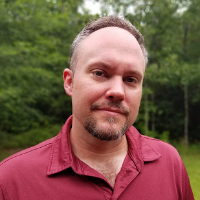
Vernon Wiggins is a Licensed Professional Counselor (LPC) and Licensed Mental Health Counselor (LMHC) based in Texas. He draws on Mindfulness Therapy alongside cognitive and client-centered approaches to help people manage stress, anxiety, depression, and relationship struggles. Vernon keeps sessions direct and focused while emphasizing a respectful working relationship.
He has 11 years of experience listed in this profile and has worked with many different concerns. Vernon aims to identify the main issues quickly and work on them in straightforward ways. He balances clear guidance with listening so clients feel both heard and supported.
Vernon uses practical techniques from Cognitive Behavioral Therapy and Solution-Focused Therapy to address thoughts, behaviors, and short-term goals. He also brings Client-Centered and Existential ideas into sessions to help people reflect on values and personal meaning. Mindfulness practices are included to support regulation and present-moment awareness.
Typical concerns noted include grief, addiction, trauma and abuse, intimacy-related issues, sleep problems, parenting strain, career stress, ADHD, and mood disorders like bipolar and depression. He also lists additional focuses such as attachment issues, body image, chronic illness, codependency, and communication problems.
Sessions are meant to fit each person’s needs, with goal-focused work and moments for deeper reflection. Vernon encourages people to be honest about what they want to change and will partner in building steps toward those changes.
How these approaches can work online
Mindfulness Therapy focuses on present-moment awareness and gentle attention to thoughts and sensations. It can help reduce stress, improve sleep, and provide tools for managing strong emotions. Cognitive Behavioral Therapy (CBT) looks at links between thoughts, feelings, and behavior and teaches practical skills for changing unhelpful patterns. Client-Centered Therapy centers the conversation on the person’s experience and priorities, offering a nonjudgmental space to explore values and choices.
Finding the right approach is part of the process. Vernon will work collaboratively to decide which methods fit a person’s goals and preferences. He combines practical skill-building with moments of reflection so sessions match what someone needs at the time.
The therapist’s biography does not list specific session formats, so confirm available options before booking. In general, online therapy can make it easier to fit sessions into a busy life. It can reduce travel time, allow shorter check-ins when needed, and let people access a licensed professional from where they already are. Talk with the therapist when you schedule to pick the best setup for your routine and goals.
These summaries are based on the profile information listed on BetterHelp. Listing mindfulness as an approach does not mean a therapist holds a formal mindfulness training or certificate.
Frequently asked questions
What issues does Vernon address?
He helps with a wide range of concerns including stress, anxiety, depression, grief, addiction, relationship and intimacy-related issues, sleep problems, parenting strain, career challenges, ADHD, and trauma and abuse.
What is his therapy style like?
His style is direct and to the point while maintaining a respectful relationship. He focuses on identifying the main issues and working on them with clear, practical steps.
How much experience does he have?
The profile lists 11 years of experience in mental health and counseling work.
What credentials and region are listed?
He holds LPC and LMHC credentials and is based in Texas.
Which languages are supported and can international clients join?
Sessions are offered in English, and international clients are not currently accepted.
What session formats are offered?
The original biography does not specify session formats. Confirm current session options with the booking service before scheduling.
How are costs handled?
Cost varies with location and therapist availability; sessions use a subscription that can be canceled at any time.
How do I begin working with him?
Use the Start Therapy button, complete the short matching questionnaire, and then schedule according to the therapist's availability.
Therapists on BetterHelp do not prescribe medication. A doctor can talk with you about medical options. If you are thinking about suicide, call or text 988; in an emergency, call 911.