Therapist listings are provided by BetterHelp. We will earn a commission at no additional cost to you if you sign up through our links.

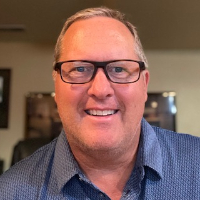
Timothy "Tim" Nordstrom

Timothy "Tim" Nordstrom

LCSW

Experienced LCSW using mindfulness and practical care

Areas of expertise

Also works with

AddictionsRelationship issuesFamily conflictsGriefIntimacy-related issuesParenting issuesAnger managementCareer difficultiesBipolar disorderCoping with life changesCompassion fatigueADHD

Additional focus areas

AbandonmentAging and geriatric issuesAutism and Asperger SyndromeBlended family issuesCancerCaregiver issues and stressChronic pain, illness, and disabilityCo-morbidityCodependencyCommitment issuesCommunication problemsDivorce and separationEmptinessFatherhood issuesForgivenessGuilt and shameImpulsivityIsolation / lonelinessLife purposeMen's issuesPanic disorder and panic attacksSelf-loveSocial anxiety and phobia

Therapeutic approaches

Acceptance and Commitment Therapy (ACT)Client-Centered TherapyCognitive Behavioral Therapy (CBT)Dialectical Behavior Therapy (DBT)Mindfulness TherapyMotivational InterviewingNarrative TherapySolution-Focused TherapyTrauma-Focused Therapy

Experience

30+ years

Credentials

Montana

Languages

English

Licenses listed

As listed on the therapist's profile. You can check a license with the state licensing board and an NPI in the national registry.

  • Mindfulness-informed
  • Practical strategies
  • Respectful listening

About Timothy

Timothy "Tim" Nordstrom is a licensed clinical social worker with three decades of experience. He helps people coping with stress, anxiety, depression, grief, addictions, relationship and parenting concerns, and a wide range of life changes. Tim explains therapy in plain language and aims to make the process understandable from the start.

Tim listens first to learn what matters to each person. He then offers education so clients and he share the same language about what is happening and why. That foundation supports clear goals and practical next steps rather than jargon.

His approach draws on Mindfulness Therapy alongside evidence-based methods such as Acceptance and Commitment Therapy, Cognitive Behavioral Therapy, Dialectical Behavior Therapy, and client-centered work. He uses these approaches flexibly to match the needs of the person in front of him. In different settings he has used creative tools like music to help people express themselves.

Tim has worked across medical, school, and private practice settings. He has experience helping people make meaningful changes in as few as five sessions and also supporting longer-term work when it is needed. He emphasizes treating people with respect and avoiding stigmatizing labels.

People seeking practical strategies for coping, clearer communication, or relief from intense emotions may find Tim's straightforward and compassionate approach helpful. He welcomes questions and takes time to explain how therapy works before moving into treatment.

How Mindfulness and ACT translate to online sessions

Mindfulness Therapy helps you notice thoughts, feelings, and body sensations with less judgment and more calm; it can help with anxiety, stress, chronic pain, and mood challenges. Acceptance and Commitment Therapy (ACT) focuses on clarifying personal values and taking small actions toward them, which can be useful for depression, avoidance, and life transitions. Client-Centered Therapy emphasizes being heard and respected while you figure things out at your own pace.

Finding the right approach is part of the work. The therapist collaborates with each person to choose or blend methods based on goals, preferences, and how they respond in early sessions. That team approach makes it easier to adjust techniques as progress is made.

The biography does not specify session delivery methods, so confirm current online session options before booking. In general, online therapy can make it simpler to fit appointments around work, school, or caregiving by removing travel time. Online formats can also allow shorter check-ins, sessions at different times of day, or not needing to be on camera depending on what the therapist and client agree will work best. Licensed professionals can help you decide what structure will fit your life while focusing on practical skills and meaningful change.

These summaries are based on the profile information listed on BetterHelp. Listing mindfulness as an approach does not mean a therapist holds a formal mindfulness training or certificate.

Frequently asked questions

What concerns does Tim commonly address?

He supports people with stress, anxiety, depression, trauma and abuse, grief, addictions, relationship and parenting issues, and many other life challenges listed in his specialties.

What is his therapeutic style like?

He starts by listening closely and then provides psychoeducation so you share the same language about the problem. Sessions focus on practical steps and clear goals.

How much experience does he have?

He brings 30 years of clinical experience working in medical settings, schools, and private practice.

What are his credentials and where is he based?

He holds the credential MT LCSW and practices from Montana.

Which languages are supported for sessions?

Sessions are offered in English and he also accepts international clients.

What session formats are offered?

The original biography does not list explicit session formats; please confirm current session options before booking.

How does cost and subscription work?

Cost varies with location and therapist availability, and sessions use a subscription that can be canceled at any time.

How do I begin working with him?

Choose the Start Therapy button, complete a short matching questionnaire, and schedule according to therapist availability.

Therapists on BetterHelp do not prescribe medication. A doctor can talk with you about medical options. If you are thinking about suicide, call or text 988; in an emergency, call 911.

Timothy "Tim" NordstromContinue with Timothy