AbandonmentAging and geriatric issuesAntisocial personalityAttachment issuesAvoidant personalityBlended family issuesCaregiver issues and stressChronic pain, illness, and disabilityCo-morbidityCodependencyCommitment issuesCommunication problemsControl issuesCoping with natural or human-caused disasterDependent personalityDivorce and separationDomestic violenceDrug and alcohol addictionEmptinessFamily of origin issuesFamily problemsFatherhood issuesFirst responder issuesForgivenessGuilt and shameHospice and end-of-life counselingImpulsivityInfidelityIsolation / lonelinessJealousyLife purposeMen's issuesMidlife crisisVeteran and Armed Forces IssuesMoney and financial issuesMood disordersMulticultural concernsNarcissismObsessions, compulsions, and OCDPanic disorder and panic attacksPersonality disordersPhobiasPostpartum depressionPost-traumatic stressPregnancy and childbirthPrejudice and discriminationSeasonal Affective Disorder (SAD)Self-harmSelf-loveSexual assault and abuseSocial anxiety and phobiaWomen's issuesWorkplace issuesYoung adult issues
As listed on the therapist's profile. You can check a license with the state licensing board and an NPI in the national registry.
Mindfulness informed
Client-centered
24 years experience
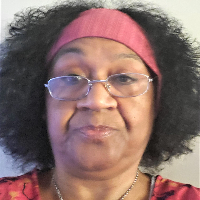
About Priscilla
Dr. Priscilla Sobremonte is a licensed clinical social worker with 24 years of experience. She draws on a client-centered approach and uses mindfulness, cognitive behavioral ideas, and narrative work to help people manage stress, anxiety, depression, trauma, and life transitions. She combines practical techniques with straightforward conversation to help people find clearer ways forward.
She spent 11 years in the United States Air Force before completing a Master of Social Work and becoming an LCSW. Early work focused on children with severe emotional challenges and collaborations with juvenile justice. Later roles included psychiatric social work in the California Department of Corrections and Rehabilitation, and clinical work at Kaiser Permanente with children, families, and crisis intake.
Her background also includes supervising and coordinating programs within Veterans Health Care and many years in private practice since 2006. In private practice she builds treatment plans together with each person, using approaches such as cognitive behavioral strategies, trauma-focused work, and solution-focused methods as appropriate. She has worked across inpatient and outpatient settings and with special units for chronic severe mental illness.
Dr. Sobremonte offers narrative-based tools she developed, including a therapeutic journaling guide called Therapeutic Journaling: Making Sense of My Life. She is clear about administrative limits and does not write employer time-off or disability verification letters. Her style is collaborative, practical, and rooted in real-world experience.
People meet her to talk through relationship and family stress, parenting strains, grief, addiction concerns, sleep problems, career pressures, ADHD, and compassion fatigue. She aims to help each person set realistic steps and notice small changes that add up over time.
How mindfulness and practical approaches translate to online care
Mindfulness Therapy focuses on helping people notice their thoughts, feelings, and bodily sensations in the present moment. It can help with anxiety, stress, sleep problems, and managing strong emotions by teaching simple awareness and grounding practices.
Client-Centered Therapy centers on listening and working at the person’s pace. Sessions emphasize understanding a person’s goals and building a treatment plan together rather than following a set agenda.
Cognitive Behavioral Therapy, or CBT, looks at patterns of thought and behavior and teaches tools to shift unhelpful patterns. It is often used for anxiety, depression, and coping with life changes through practical exercises and short experiments between sessions.
Finding the right approach is part of the work. The therapist will talk with the person about their needs, goals, and preferences and will recommend an approach or mix of approaches together. This is a collaborative process and can change over time as goals shift.
Online therapy can make it easier to fit regular sessions into a busy life by reducing travel time and allowing quicker follow-ups. Confirm the specific session formats available before booking, since this profile does not list them. Many people find online sessions helpful for keeping momentum between appointments and for trying mindfulness or CBT exercises in everyday settings.
These summaries are based on the profile information listed on BetterHelp. Listing mindfulness as an approach does not mean a therapist holds a formal mindfulness training or certificate.
Frequently asked questions
What kinds of concerns does she help with?
She works with stress, anxiety, depression, trauma and abuse, addictions, grief, parenting and relationship issues, sleep problems, career concerns, ADHD, and compassion fatigue, among other areas.
What is her overall therapeutic style?
Her work is client-centered and collaborative, blending mindfulness, cognitive behavioral ideas, narrative journaling, and motivational interviewing depending on what each person needs.
How much experience does she have?
She has 24 years of clinical experience, including roles in the Air Force, county mental health, corrections, Kaiser Permanente, and Veterans Health Care before starting private practice in 2006.
What credentials does she hold and where is she based?
She is a licensed clinical social worker (LCSW) licensed in California and maintains a practice serving people in that region.
Which languages are supported for sessions?
Sessions are offered in English and she also accepts international clients.
What session formats are available?
Please confirm current session options before booking, as the profile does not list specific formats here.
How does payment or cost work?
Cost varies with location and therapist specifics; sessions use a subscription that can be canceled at any time.
How do I begin working with her?
Start by selecting the Start Therapy button, completing a short matching questionnaire, and scheduling according to the therapist's availability.
Therapists on BetterHelp do not prescribe medication. A doctor can talk with you about medical options. If you are thinking about suicide, call or text 988; in an emergency, call 911.