Therapist listings are provided by BetterHelp. We will earn a commission at no additional cost to you if you sign up through our links.

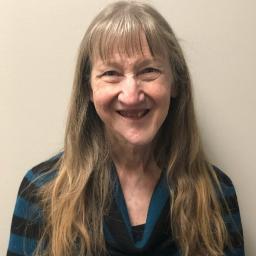
Karen Murphree

Karen Murphree

LCSW

Compassionate, holistic therapy for adults

Areas of expertise

Also works with

LGBTRelationship issuesFamily conflictsTrauma and abuseIntimacy-related issuesAnger managementCompassion fatigue

Additional focus areas

AbandonmentAging and geriatric issuesAttachment issuesBDSM, kink, and alternative sex cultureBody imageCancerCaregiver issues and stressChronic pain, illness, and disabilityCommunication problemsControl issuesDivorce and separationFamily of origin issuesForgivenessGender dysphoriaGuilt and shameHospice and end-of-life counselingIsolation / lonelinessLife purposeMidlife crisisPanic disorder and panic attacksPolyamory / non-monogamous relationshipsPost-traumatic stressSeasonal Affective Disorder (SAD)Self-harmSelf-loveSexual assault and abuseSexualitySocial anxiety and phobiaVisually impairedWomen's issuesWorkplace issues

Therapeutic approaches

Attachment-Based TherapyClient-Centered TherapyCognitive Behavioral Therapy (CBT)Dialectical Behavior Therapy (DBT)Eye Movement Desensitization and Reprocessing (EMDR)Mindfulness TherapyInternal Family Systems

Experience

30+ years

Credentials

Kansas, Washington, Missouri, Montana, Idaho, Oregon

Languages

English

Licenses listed

  • LSCSW, KansasLSCSW 1496
  • LICSW, WashingtonLW00004122
  • LCSW, Missouri2022026451
  • LCSW, MontanaBBH-LCSW-LIC-62799
  • LCSW, IdahoLCSW-44088
  • LCSW, OregonL14851
  • NPI 1568921658

As listed on the therapist's profile. You can check a license with the state licensing board and an NPI in the national registry.

  • Mindful and practical
  • Creative healing tools
  • LGBTQIA2S+ affirming

About Karen

Karen Murphree is a Licensed Clinical Social Worker with thirty years of experience helping adults navigate life’s hardest moments. She blends practical psychotherapy with a broader focus on body, mind, and spirit. Karen aims to create a warm, nonjudgmental space where people can name what is painful and find steps forward that fit their life.

Karen’s background includes nursing experience and graduate-level studies in natural and alternative healing. Over many years she has developed an eclectic, strength-based style. She combines familiar talk therapy with creative tools such as guided imagery, music, art, movement, and rituals.

Her work uses evidence-informed methods alongside experiential practices. Cognitive Behavioral Therapy and Dialectical Behavior Therapy are part of her toolbox. She also draws from attachment ideas and Mindfulness Therapy to help people notice patterns and regulate emotions.

Karen is LGBTQIA2S+ friendly and explicitly affirms polyamory, kink, neurodiversity, and expansive spiritual identities. She encourages clients who have drifted from organized religion to explore their own sense of meaning.

Sessions often include practical education, resource links, and lifestyle ideas that connect food, sleep, and movement with mood and coping. Her goal is to help people identify limiting beliefs and try new ways that actually work for them.

Outside of practice she enjoys animals, gardening, making herbal products, and spending time in mountains and near water. She describes her approach as collaborative and rooted in kindness, curiosity, and respect.

How Karen’s approaches translate to online work

Mindfulness Therapy in her practice teaches simple present-moment skills to notice thoughts, sensations, and emotions. It can help people manage anxiety, irritability, and low mood by building attention and calm. Attachment-Based Therapy looks at patterns that form in close relationships and helps people understand how those patterns affect current reactions and trust.

Client-Centered Therapy focuses on listening with respect and following the client’s lead. It creates space for people to name what matters and make choices that feel authentic. Karen will work collaboratively to decide which combination of approaches fits a person’s needs and goals.

If you are considering online sessions, confirm the current session options before booking since formats are not specified here. Online work can make it easier to fit therapy into a busy life, allow shorter check-ins when time is limited, and reduce the need to travel. The therapist will help tailor session length and focus to match practical constraints and therapeutic aims, such as using guided imagery, mindfulness practices, or resource links during or between meetings.

These summaries are based on the profile information listed on BetterHelp. Listing mindfulness as an approach does not mean a therapist holds a formal mindfulness training or certificate.

Frequently asked questions

What issues does Karen focus on?

She helps with stress, anxiety, depression, grief, self-esteem, coping with life changes, trauma, relationship and intimacy concerns, compassion fatigue, and related areas such as body image and caregiver stress.

What is her therapy style like?

Her style is eclectic and strength-based, combining talk therapy with creative and experiential tools like guided imagery, music, and rituals alongside evidence-informed techniques.

How much clinical experience does she have?

She brings thirty years of clinical experience, including earlier work as an LPN and additional graduate-level study in natural and alternative healing.

Where is Karen located and what are her credentials?

She practices in Montana and holds LCSW licensure, listed as OR LCSW and MO LCSW in credential details.

Which languages are supported?

Sessions are offered in English.

Can people outside the U.S. work with her?

She does not accept international clients at this time.

How much do sessions cost?

Cost varies by location and therapist availability; sessions use a subscription that can be canceled at any time.

How do I begin if I want to work with her?

Use the Start Therapy button, complete a short matching questionnaire, and schedule sessions according to the therapist's availability.

Therapists on BetterHelp do not prescribe medication. A doctor can talk with you about medical options. If you are thinking about suicide, call or text 988; in an emergency, call 911.

Karen MurphreeContinue with Karen