- Warm collaborative care
- Practical skills focus
- Experience with trauma
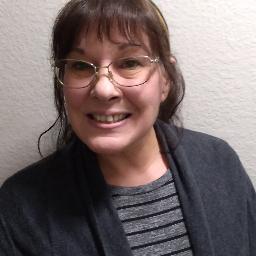
About Cynthia
Cynthia Fradl is a Licensed Clinical Social Worker with 20 years of experience helping people manage stress, anxiety, depression, grief, and relationship challenges. She brings a warm, interactive style to sessions and aims to treat each person with respect and compassion. Cynthia avoids stigmatizing labels and focuses on practical steps people can use in day-to-day life.
Her approach mixes mindfulness, acceptance strategies, cognitive-behavioral techniques, and client-centered conversation. Cynthia adapts talks and plans to each person’s needs, working side by side to set realistic goals. She uses straightforward language and helps people practice skills they can use between visits.
Cynthia has worked across nonprofit programs, hospital and clinical settings, and schools. That variety has shaped how she supports people facing long-term conditions such as bipolar disorder and schizophrenia, as well as those coping with trauma, addiction, sleep problems, and chronic illness. She also helps people navigating career shifts, parenting stress, caregiver strain, and blended family issues.
In sessions she focuses on building strengths, improving communication, and developing healthier routines. Cynthia also pays attention to how past attachment or abandonment issues might affect current relationships. Her goal is to help people find practical ways to feel more steady and capable.
If someone is ready to begin, she works collaboratively to create a plan and supports follow-through between sessions. Cynthia’s style centers on empathy, clear guidance, and helping people regain a sense of control over their lives.