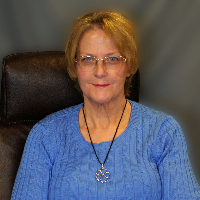
As listed on the therapist's profile. You can check a license with the state licensing board and an NPI in the national registry.
Mindfulness informed
Values focused
Practical strategies
About Carol
Carol Gross is a licensed clinical social worker (LCSW) with 25 years of experience. She brings a calm, practical approach and focuses on helping people manage anxiety, depression, mood disorders, addiction, and stress. Carol writes plainly and works to make therapy feel useful and doable for everyday life.
She draws on Mindfulness Therapy and Acceptance and Commitment Therapy (ACT) to help people notice difficult feelings and take actions that match their values. Sessions often include simple mindfulness practices, attention to what matters most, and skills to increase flexibility in how someone responds to stress and strong emotions.
Carol also uses client-centered listening and cognitive-behavioral strategies when they fit a person’s needs. She helps people break problems into smaller steps, practice new behaviors, and track what works. The goal is clearer choices rather than quick fixes.
Her background includes years studying human behavior and data analysis before focusing on clinical practice. That mix shows up in a practical style that looks for measurable changes and small, steady progress. Carol says personal experience with hardship shaped her belief that growth often follows pain.
In sessions she may use tools like the ACT Matrix to help organize thoughts and priorities. She works with a wide range of concerns including trauma and abuse, grief, ADHD, relationship and intimacy issues, sleeping and eating problems, caregiver stress, chronic illness, and career or life transitions. Carol aims to help each person notice what matters and move toward it.
How mindfulness and ACT translate to online care
Mindfulness Therapy focuses on simple attention practices and present-moment noticing. It helps people become more aware of thoughts and sensations so they can respond instead of react, which is useful for anxiety, stress, and mood management.
Acceptance and Commitment Therapy, or ACT, teaches people to clarify their values and take small actions that align with those values. It uses exercises and the ACT Matrix to make choices clearer and to build flexibility when difficult feelings show up.
Finding the right approach is part of the work. The therapist will talk with each person about goals, preferences, and what feels most helpful. Together they decide which methods to try and adjust plans based on what is working.
Confirm current session options before booking, as formats are not specified here. Online therapy can make it easier to fit appointments into a busy week, avoid travel time, and keep follow-up brief when needed. It also allows use of mindfulness exercises, worksheets, and the ACT Matrix during or between meetings to reinforce new habits and track progress.
These summaries are based on the profile information listed on BetterHelp. Listing mindfulness as an approach does not mean a therapist holds a formal mindfulness training or certificate.
Frequently asked questions
What concerns does Carol commonly address?
She works with stress, anxiety, depression, mood disorders, addiction, trauma and many related issues such as grief, anger, sleep and eating problems, parenting strain, ADHD, and work or career challenges.
How would you describe her therapeutic style?
Her style blends Mindfulness Therapy and Acceptance and Commitment Therapy with client-centered listening and cognitive-behavioral tools to build practical skills and greater psychological flexibility.
What experience does she bring?
She has 25 years of clinical experience and a background in human behavior and data analysis that informs a practical, results-oriented approach.
What are her credentials and where is she based?
She is a licensed clinical social worker, LCSW, practicing in Utah.
Which languages are available for sessions?
Sessions are offered in English.
Can international clients work together with her?
She does not accept international clients at this time.
How are fees and payment handled?
Cost varies with location and therapist availability; sessions use a subscription that can be canceled at any time.
How do I begin if I want to work with her?
Select the Start Therapy button, complete a short matching questionnaire, and schedule according to therapist availability.
Therapists on BetterHelp do not prescribe medication. A doctor can talk with you about medical options. If you are thinking about suicide, call or text 988; in an emergency, call 911.