AbandonmentAdoption and foster careAging and geriatric issuesAttachment issuesAutism and Asperger SyndromeAvoidant personalityBlended family issuesBody imageCancerCaregiver issues and stressChronic pain, illness, and disabilityCo-morbidityCodependencyCommitment issuesCommunication problemsControl issuesCoping with natural or human-caused disasterDependent personalityDissociationDivorce and separationDomestic violenceEmptinessFamily of origin issuesFamily problemsFatherhood issuesFertility issuesForgivenessGender dysphoriaGuilt and shameHospice and end-of-life counselingImpulsivityInfidelityIsolation / lonelinessJealousyLife purposeMidlife crisisMood disordersMulticultural concernsNarcissismObsessions, compulsions, and OCDPanic disorder and panic attacksParanoiaPersonality disordersPhobiasPost-traumatic stressPrejudice and discriminationSeasonal Affective Disorder (SAD)Self-harmSelf-loveSexual assault and abuseSmoking / vaping cessationSocial anxiety and phobiaSomatizationTrichotillomaniaWomen's issuesWorkplace issuesYoung adult issues
As listed on the therapist's profile. You can check a license with the state licensing board and an NPI in the national registry.
Mindfulness-informed care
Person-centered approach
38 years experience
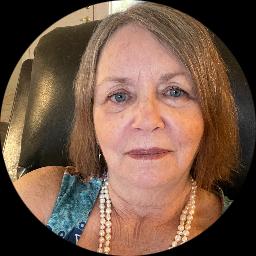
About Valerie
Prof. Valerie Starr helps people dealing with stress, anxiety, depression, relationship and intimacy struggles, and grief. She supports those coping with trauma and abuse, addiction concerns, parenting challenges, self-esteem and anger, and issues related to LGBT identity. Her work also addresses a wide range of focused concerns such as attachment and abandonment, adoption and foster care, chronic illness and caregiver stress, body image, and communication problems.
Valerie brings 38 years of clinical experience as a Licensed Clinical Mental Health Counselor (LCMHC) and a Licensed Clinical Professional Counselor (LCPC). She has worked across community mental health and private practice settings. She also taught graduate courses in Family Systems Therapy and Ethics in the Counseling Profession for eleven years as an adjunct professor.
Her approach is warm and person-centered. Sessions are conversational and grounded in respect for each person’s story. She avoids labeling and treats people as unique, aiming to strengthen resilience and practical skills that make daily life easier.
She often integrates mindfulness and attention to present experience alongside attachment-based and client-centered ways of working. Cognitive techniques and existential reflections may be used when they match a client’s goals. The focus is on building better relationships with oneself and others, improving parenting skills, and managing strong emotions.
Valerie emphasizes collaboration. She helps clients set clear goals and tries methods that fit an individual’s needs. Readers who want to begin are invited to follow the platform’s start process to connect and schedule a first appointment.
How mindfulness and relationship-focused approaches translate online
Mindfulness Therapy helps people notice thoughts, feelings, and bodily sensations without harsh judgment. It can be useful for anxiety, stress, and learning to slow down reactions in daily life. Attachment-Based Therapy looks at how early relationships shape expectations and reactions in close relationships and helps people change patterns that create repeated conflict or distance.
Client-Centered Therapy focuses on a respectful, non-directive relationship where the therapist listens closely and follows the client’s lead. This approach is often used to build self-understanding and strengthen a person’s own ability to make choices. Together these approaches can help with relationship problems, parenting concerns, grief, and coping with trauma by combining present-moment awareness with an exploration of relational patterns.
Finding the right approach is a collaborative process. Valerie will work with each client to identify what feels most helpful and will adapt methods based on goals and preferences. Clients set priorities and the therapist suggests techniques that match those goals.
The biography does not list specific online session formats, so confirm available options before booking. Online work can make it easier to fit therapy into a busy schedule, reduce travel time, and allow for shorter check-ins when needed. It also offers ways to continue care across locations for international clients who wish to work with a licensed professional.
These summaries are based on the profile information listed on BetterHelp. Listing mindfulness as an approach does not mean a therapist holds a formal mindfulness training or certificate.
Frequently asked questions
What kinds of concerns does this therapist address?
She works with stress, anxiety, depression, trauma and abuse, relationship and intimacy issues, grief, addictions, parenting challenges, and a wide range of related concerns.
How would you describe her therapeutic style?
The style is warm, compassionate, and person-centered, with conversational sessions focused on respect and practical steps for change.
What is her background and experience?
She has 38 years of clinical experience in community mental health and private practice and spent eleven years teaching graduate courses as an adjunct professor.
What credentials and location are listed for this therapist?
She holds LCPC and LCMHC credentials and practices in Nevada.
Are sessions available in other languages or internationally?
Sessions are offered in English and she accepts international clients.
What session formats are offered?
The original biography does not list specific session formats; please confirm current session options before booking.
How are costs handled for sessions?
Cost varies with location and therapist availability; sessions use a subscription that can be canceled at any time.
What are the first steps to begin working together?
Click the Start Therapy button, complete a short matching questionnaire, and schedule according to therapist availability.
Therapists on BetterHelp do not prescribe medication. A doctor can talk with you about medical options. If you are thinking about suicide, call or text 988; in an emergency, call 911.