Avoidant personalityBDSM, kink, and alternative sex cultureBlended family issuesCo-morbidityCodependencyCommitment issuesCommunication problemsControl issuesDisruptive Mood Dysregulation Disorder (DMDD)DissociationDivorce and separationDrug and alcohol addictionFamily of origin issuesFamily problemsGender dysphoriaGuilt and shameImpulsivityIsolation / lonelinessLife purposeMood disordersMulticultural concernsObsessions, compulsions, and OCDPanic disorder and panic attacksParanoiaPhobiasPolyamory / non-monogamous relationshipsPost-traumatic stressPrejudice and discriminationProcess addiction (porn, exercise, gambling)Self-harmSelf-loveSex addictionSexual assault and abuseSocial anxiety and phobiaTrichotillomania
Therapeutic approaches
Client-Centered TherapyExistential TherapyGottman MethodMindfulness TherapyMotivational InterviewingTrauma-Focused TherapyInternal Family Systems
As listed on the therapist's profile. You can check a license with the state licensing board and an NPI in the national registry.
Mindfulness-based approach
Works with individuals
Focus on relationships
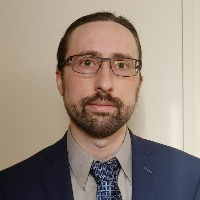
About Steven
Steven Smith is a Licensed Marriage and Family Therapist (LMFT) practicing in California. He helps people managing stress, anxiety, depression, bipolar symptoms, and trauma-related concerns. He also supports those facing relationship strain, grief, addiction, identity questions, parenting challenges, and work-related compassion fatigue.
Steven works with individuals and couples. He listens first, asking what matters most and what people hope to change. He frames therapy around each person's goals rather than imposing solutions. Conversations are direct and practical, focused on what will help day to day.
In sessions he blends client-centered and existential ideas with mindfulness practices. That means attention to the present moment, exploring values, and tailoring work to each person’s lived experience. Motivational interviewing and trauma-focused techniques are used when they match a client's needs.
He also draws on relationship work, including elements of the Gottman Method, when couples bring communication and intimacy concerns. For people dealing with addictions, mood disorders, or ADHD, sessions aim to reduce overwhelm and build workable coping strategies.
Steven trained in psychology and holds a master's degree in clinical psychology. He brings ten years of experience to his practice and emphasizes collaboration, steady pacing, and clear goals. To start, he asks about current problems and what a better life would look like, then sets small, achievable steps together.
How Steven’s Approaches Work Online
Steven integrates mindfulness practice into sessions to help people notice habits of thought and bodily reactions. Mindfulness exercises are simple and practical and can help with anxiety, stress, and emotional reactivity. Steven also uses client-centered therapy, which centers the conversation on the person's priorities and pace, helping people set goals and make decisions that fit their life.
He often brings existential ideas into the work, inviting reflection on values, meaning, and the choices that shape daily life. This can be useful when someone is facing life transitions, questions about identity, or struggles with motivation. Together these approaches aim to make therapy relevant and grounded in what matters to each person.
Finding the right approach is part of the process. Steven will talk with each person about what feels most helpful and adjust methods based on needs, goals, and preferences. That collaborative process guides what techniques are used and how sessions progress.
Session formats and scheduling can affect how therapy fits into everyday life, so confirm current session options before booking. Online work can make it easier to fit appointments around work and family commitments, allow shorter check-ins when needed, and reduce travel time. It also lets people choose sessions that match their comfort with video or audio communication.
These summaries are based on the profile information listed on BetterHelp. Listing mindfulness as an approach does not mean a therapist holds a formal mindfulness training or certificate.
Frequently asked questions
What kinds of concerns does Steven help with?
He supports people dealing with stress, anxiety, depression, bipolar symptoms, trauma and abuse, addictions, grief, relationship and intimacy issues, parenting strain, ADHD, and related struggles.
How would you describe his therapeutic style?
Sessions are client-centered and practical, with attention to values and present-moment awareness. The work focuses on the client's goals rather than preset solutions.
What experience does he bring to therapy?
He has ten years of clinical experience and has worked with a wide range of people across different backgrounds and identities.
What credentials and location apply to his practice?
He is a Licensed Marriage and Family Therapist, LMFT, practicing in California.
In what languages can sessions be conducted?
Sessions are offered in English.
Can international clients be seen?
International clients are not currently accepted.
How much do sessions cost and what is the payment model?
Cost varies with location and therapist availability; sessions use a subscription that can be canceled at any time.
How do I begin working with him?
Use the Start Therapy button, complete a short matching questionnaire, and schedule according to therapist availability.
Therapists on BetterHelp do not prescribe medication. A doctor can talk with you about medical options. If you are thinking about suicide, call or text 988; in an emergency, call 911.