Therapist listings are provided by BetterHelp. We will earn a commission at no additional cost to you if you sign up through our links.

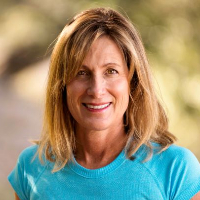
Sheri Pate

Sheri Pate

LMFT

Mindfulness grounded, practical therapy

Areas of expertise

Also works with

Relationship issuesFamily conflictsTrauma and abuseGriefIntimacy-related issuesSleeping disordersParenting issuesCareer difficultiesBipolar disorderDepressionCoaching

Additional focus areas

AbandonmentAging and geriatric issuesAttachment issuesCaregiver issues and stressChronic pain, illness, and disabilityCo-morbidityCommitment issuesCommunication problemsCoping with natural or human-caused disasterEmptinessFamily of origin issuesFamily problemsFirst responder issuesForgivenessGuilt and shameHospice and end-of-life counselingImpulsivityIsolation / lonelinessLife purposeMidlife crisisMood disordersMulticultural concernsNarcissismObsessions, compulsions, and OCDPanic disorder and panic attacksParanoiaPostpartum depressionPost-traumatic stressPregnancy and childbirthSeasonal Affective Disorder (SAD)Self-harmSelf-loveSexual assault and abuseSexualitySocial anxiety and phobiaSomatizationWomen's issuesYoung adult issues

Therapeutic approaches

Attachment-Based TherapyClient-Centered TherapyCognitive Behavioral Therapy (CBT)Emotionally-Focused Therapy (EFT)Mindfulness TherapySomatic Therapy

Experience

16+ years

Credentials

California

Languages

English

Licenses listed

As listed on the therapist's profile. You can check a license with the state licensing board and an NPI in the national registry.

  • Mindfulness tools
  • Relationship focus
  • Stress and sleep

About Sheri

Sheri Pate is a Licensed Marriage and Family Therapist (LMFT) who centers mindfulness exercises in her work. She invites people to begin from where they are and uses breath, guided imagery, and awareness practices to help reduce stress and calm overwhelming thoughts. Sheri describes these simple practices as tools people can use right away to feel steadier and more able to cope.

She brings 16 years of clinical experience and draws on several therapeutic approaches to meet each person’s needs. Sheri blends mindfulness with attachment-based ideas, client-centered listening, cognitive behavioral techniques, and emotionally-focused methods. That mix helps people untangle relationship patterns, manage anxiety, and adjust to life changes.

Sheri has led mindfulness, meditation, and yoga groups across the country and adapted those offerings to virtual formats during the pandemic. She also uses guided imagery and deep relaxation to help clients connect with strengths and sense of purpose. Sheri developed a simple tool called Witness Cards to make it easier to notice areas for growth.

Her training includes a bachelor’s degree in psychology from UCLA and a master’s degree in counseling psychology from California Lutheran University. Sheri grew up in a diverse Los Angeles neighborhood and is a first-generation college graduate who values acceptance and respect.

In sessions she focuses on practical skills and gentle exploration. She helps people practice new ways of thinking and relating, build coping skills for sleep and stress, and find more enjoyment in life. The work is collaborative and paced to each person’s comfort level.

How therapeutic approaches translate to online work

Mindfulness Therapy uses simple attention and breathing practices to bring focus into the present moment. Online sessions can include guided breathing, body awareness, and short meditations to reduce stress and ease racing thoughts. Attachment-Based Therapy looks at how early relationship patterns shape current connections and communication; in sessions the therapist and client notice interaction styles and practice new ways of relating. Client-Centered Therapy emphasizes listening and empathy so clients feel heard while they explore goals and values.

Finding the right approach is part of the process. The therapist will work together with the client to decide which combination of methods fits best. That collaboration includes checking goals, trying techniques, and adjusting the plan as progress and preferences become clear.

Confirm current session options before booking, as formats are not specified here. Online therapy can make scheduling more flexible and easier to fit into busy days. It also lets people use shorter check-ins, avoid travel time, or choose sessions that are less dependent on video when bandwidth is limited. These practical benefits help many people sustain steady therapeutic work while keeping it manageable.

These summaries are based on the profile information listed on BetterHelp. Listing mindfulness as an approach does not mean a therapist holds a formal mindfulness training or certificate.

Frequently asked questions

What concerns does Sheri commonly address?

She helps with stress, anxiety, depression, bipolar symptoms, sleep problems, anger, and parenting strain. Additional focuses include grief, trauma and abuse, relationship and family issues, and caregiver stress.

What is her therapeutic style like?

Sheri uses mindfulness exercises alongside talk therapy to help calm difficult thoughts and emotions. She combines client-centered listening with cognitive and emotionally-focused techniques to solve practical problems.

How much clinical experience does she have?

She has 16 years of professional experience and has led mindfulness and meditation groups since 2002, including virtual offerings during the pandemic.

Where is Sheri licensed and based?

She is a CA LMFT and practices in California.

Which languages are available for sessions?

Sessions are offered in English.

Can people outside the US work with her?

She does not accept international clients at this time.

How are fees and billing handled?

Cost varies with location and therapist availability; sessions use a subscription model that can be canceled at any time.

What should I do to begin working together?

Select the Start Therapy button, complete the short matching questionnaire, and then schedule according to therapist availability.

Therapists on BetterHelp do not prescribe medication. A doctor can talk with you about medical options. If you are thinking about suicide, call or text 988; in an emergency, call 911.

Sheri PateContinue with Sheri